University of Chicago, Chicago, Illinois 60637, USA.
Annu Rev Microbiol. 2011;65:261-86. doi: 10.1146/annurev-micro-121809-151631.
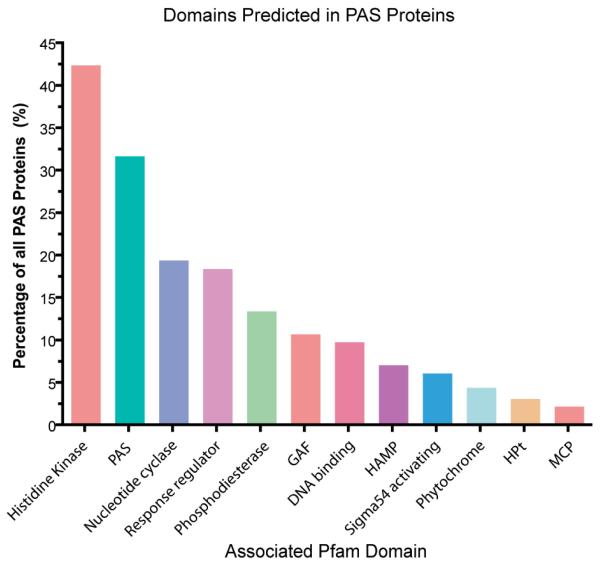
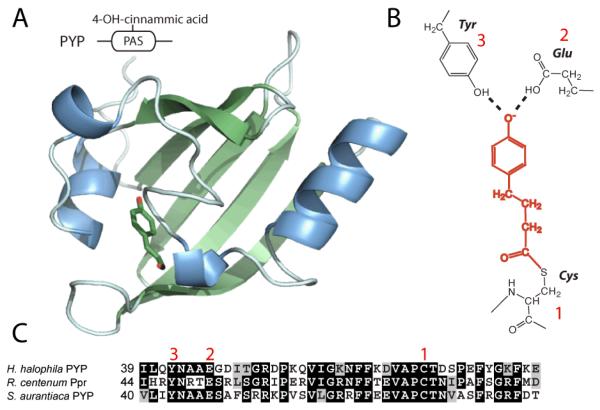
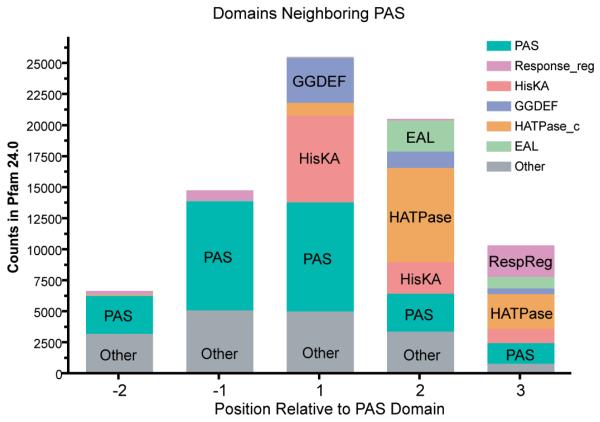
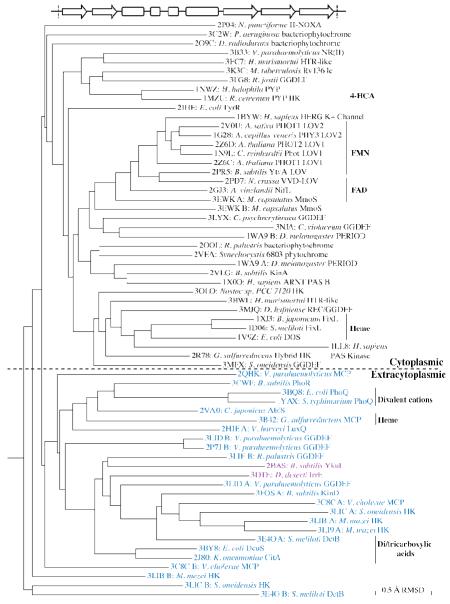
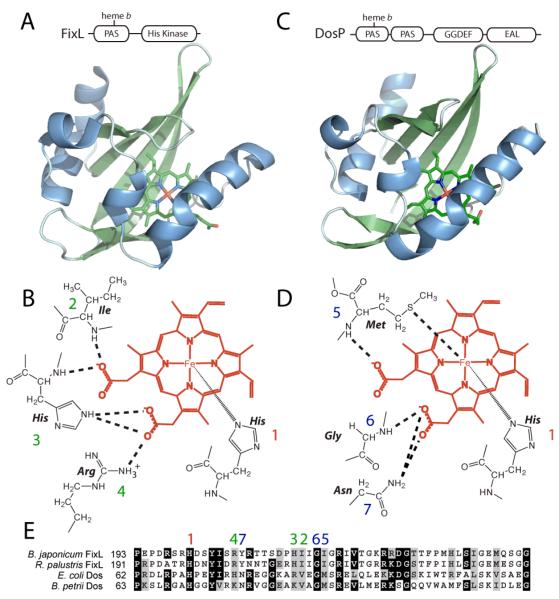
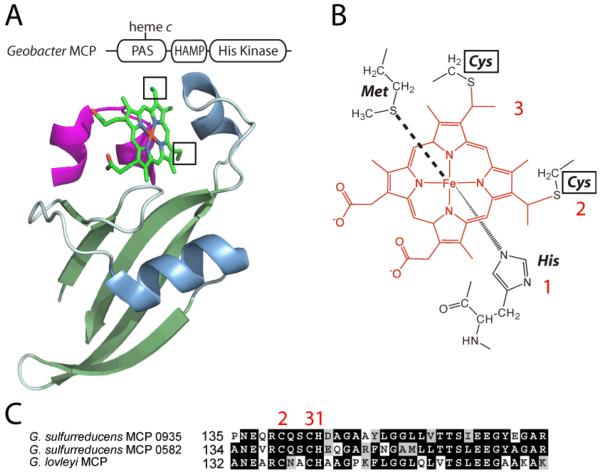
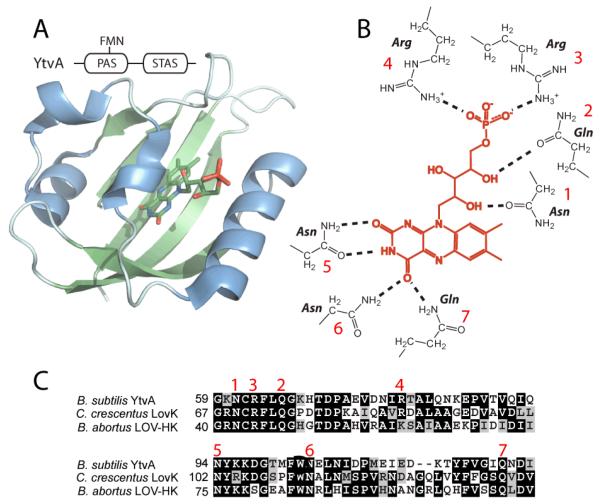
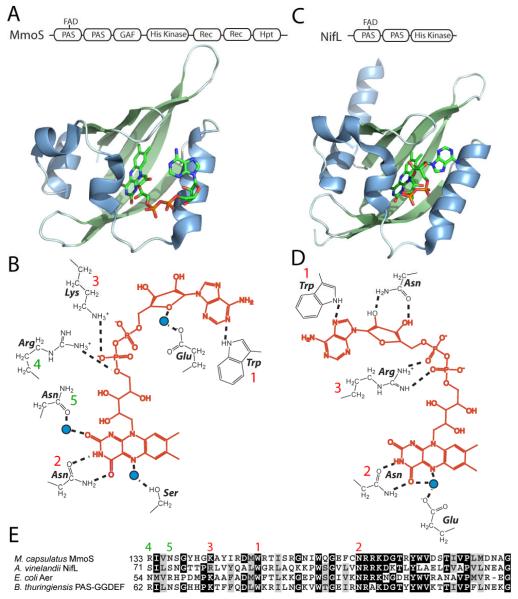
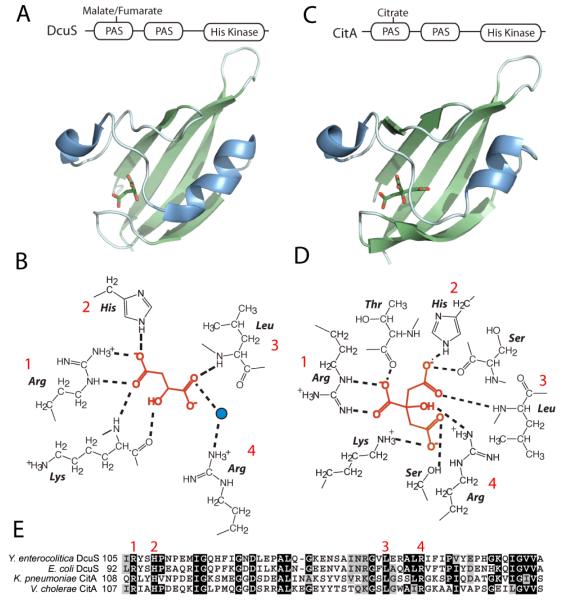
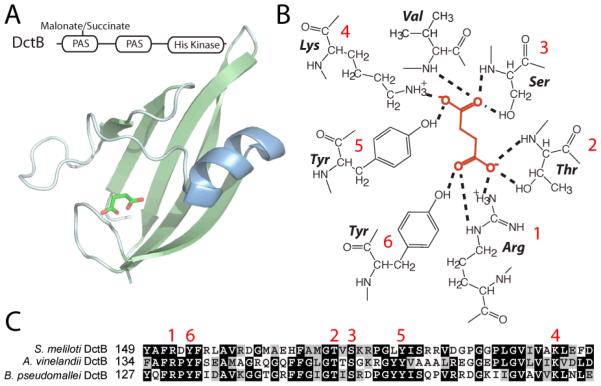
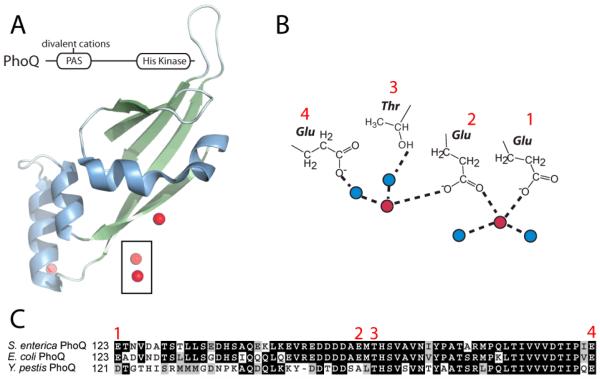
Per-Arnt-Sim (PAS) domains occur in proteins from all kingdoms of life. In the bacterial kingdom, PAS domains are commonly positioned at the amino terminus of signaling proteins such as sensor histidine kinases, cyclic-di-GMP synthases/hydrolases, and methyl-accepting chemotaxis proteins. Although these domains are highly divergent at the primary sequence level, the structures of dozens of PAS domains across a broad section of sequence space have been solved, revealing a conserved three-dimensional architecture. An all-versus-all alignment of 63 PAS structures demonstrates that the PAS domain family forms structural clades on the basis of two principal variables: (a) topological location inside or outside the plasma membrane and (b) the class of small molecule that they bind. The binding of a chemically diverse range of small-molecule metabolites is a hallmark of the PAS domain family. PAS ligand binding either functions as a primary cue to initiate a cellular signaling response or provides the domain with the capacity to respond to secondary physical or chemical signals such as gas molecules, redox potential, or photons. This review synthesizes the current state of knowledge of the structural foundations and evolution of ligand recognition and binding by PAS domains.
PAS 结构域存在于所有生命领域的蛋白质中。在细菌王国中,PAS 结构域通常位于信号蛋白的氨基末端,如传感器组氨酸激酶、环二鸟苷酸合酶/水解酶和甲基接受趋化蛋白。尽管这些结构域在一级序列水平上高度多样化,但已经解决了几十个跨越广泛序列空间的 PAS 结构域的结构,揭示了一个保守的三维结构。对 63 个 PAS 结构的全对全比对表明,PAS 结构域家族基于两个主要变量形成结构分支:(a) 质膜内外的拓扑位置和(b) 它们结合的小分子类别。PAS 结构域家族的一个标志是结合了化学性质多样的小分子代谢物。小分子代谢物的结合要么作为启动细胞信号反应的主要线索,要么赋予该结构域响应二次物理或化学信号(如气体分子、氧化还原电位或光子)的能力。这篇综述综合了当前关于 PAS 结构域配体识别和结合的结构基础和进化的知识状态。