
蜂毒素可恢复肌萎缩侧索硬化症动物模型中的蛋白酶体功能。
Melittin restores proteasome function in an animal model of ALS.
机构信息
Department of Standard Research, Korea Institute of Oriental Medicine, 483 Expo-ro, Yuseong-gu, Daejeon, 305-811, Korea.
出版信息
J Neuroinflammation. 2011 Jun 20;8:69. doi: 10.1186/1742-2094-8-69.
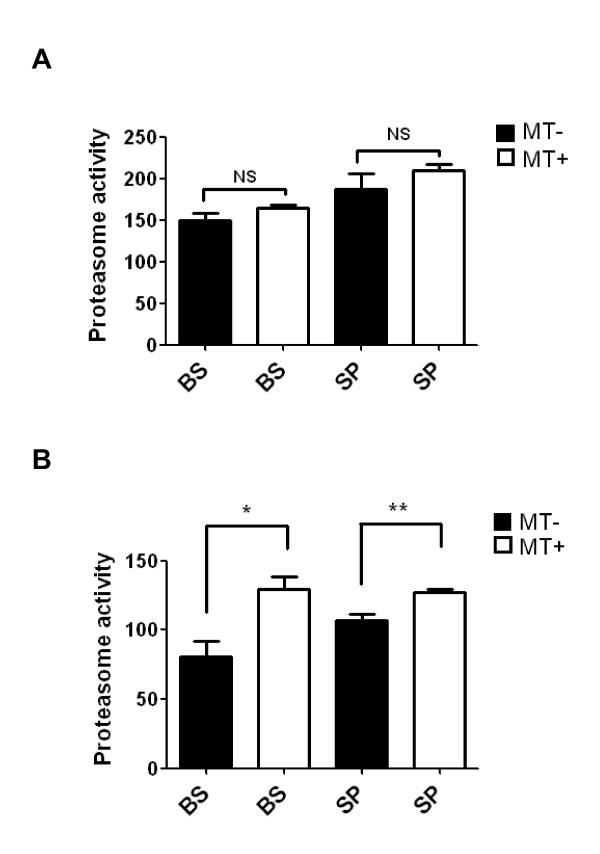
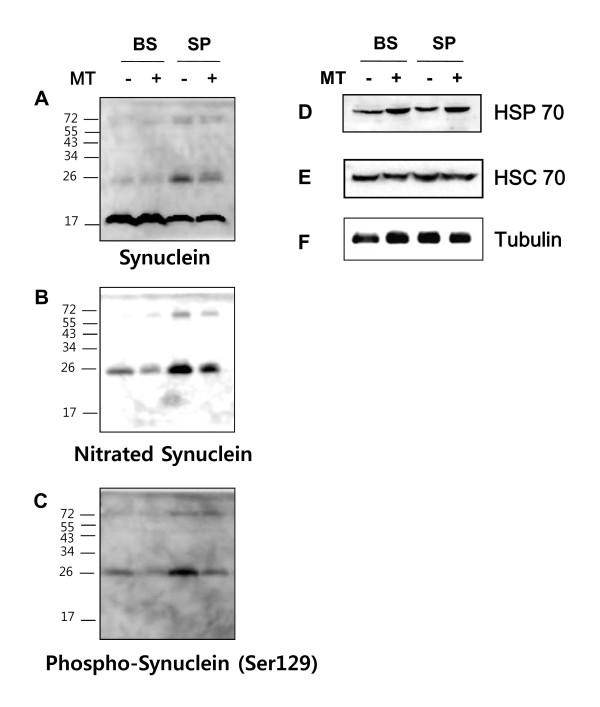
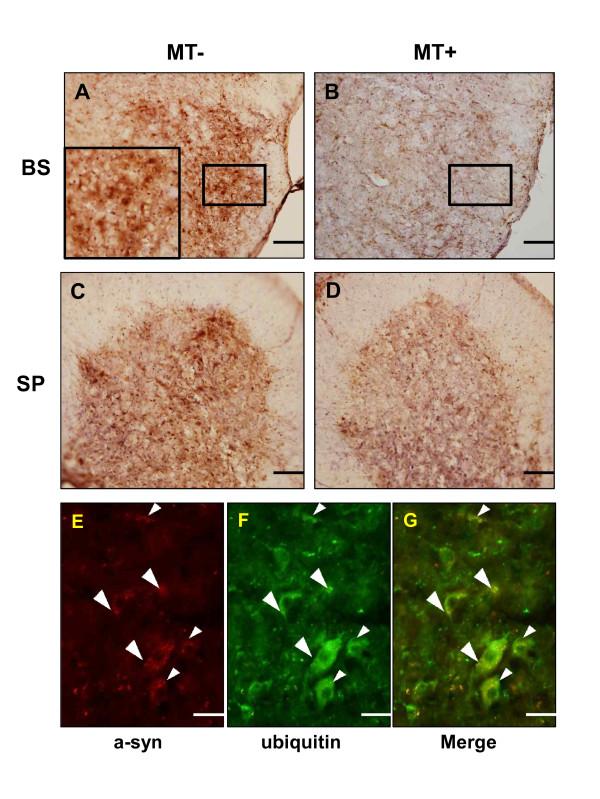
Amyotrophic lateral sclerosis (ALS) is a paralyzing disorder characterized by the progressive degeneration and death of motor neurons and occurs both as a sporadic and familial disease. Mutant SOD1 (mtSOD1) in motor neurons induces vulnerability to the disease through protein misfolding, mitochondrial dysfunction, oxidative damage, cytoskeletal abnormalities, defective axonal transport- and growth factor signaling, excitotoxicity, and neuro-inflammation.Melittin is a 26 amino acid protein and is one of the components of bee venom which is used in traditional Chinese medicine to inhibit of cancer cell proliferation and is known to have anti-inflammatory and anti-arthritic effects.The purpose of the present study was to determine if melittin could suppress motor neuron loss and protein misfolding in the hSOD1G93A mouse, which is commonly used as a model for inherited ALS. Meltittin was injected at the 'ZuSanLi' (ST36) acupuncture point in the hSOD1G93A animal model. Melittin-treated animals showed a decrease in the number of microglia and in the expression level of phospho-p38 in the spinal cord and brainstem. Interestingly, melittin treatment in symptomatic ALS animals improved motor function and reduced the level of neuron death in the spinal cord when compared to the control group. Furthermore, we found increased of α-synuclein modifications, such as phosphorylation or nitration, in both the brainstem and spinal cord in hSOD1G93A mice. However, melittin treatment reduced α-synuclein misfolding and restored the proteasomal activity in the brainstem and spinal cord of symptomatic hSOD1G93A transgenic mice.Our research suggests a potential functional link between melittin and the inhibition of neuroinflammation in an ALS animal model.
肌萎缩侧索硬化症(ALS)是一种进行性运动神经元退化和死亡的瘫痪性疾病,既有散发性又有家族性。运动神经元中的突变 SOD1(mtSOD1)通过蛋白质错误折叠、线粒体功能障碍、氧化损伤、细胞骨架异常、轴突运输和生长因子信号缺陷、兴奋毒性和神经炎症,使神经元易患该病。蜂毒素是一种 26 个氨基酸的蛋白质,是蜂毒的组成部分之一,用于传统中药抑制癌细胞增殖,具有抗炎和抗关节炎作用。本研究旨在确定蜂毒素是否能抑制 hSOD1G93A 小鼠(通常用作遗传性 ALS 模型)中运动神经元的丢失和蛋白质错误折叠。将蜂毒素注射到 hSOD1G93A 动物模型的“足三里”(ST36)穴位中。蜂毒素处理的动物显示脊髓和脑干中的小胶质细胞数量减少和磷酸化 p38 的表达水平降低。有趣的是,与对照组相比,在症状性 ALS 动物中,蜂毒素治疗可改善运动功能并减少脊髓中的神经元死亡。此外,我们发现 hSOD1G93A 小鼠的脑干和脊髓中α-突触核蛋白修饰(如磷酸化或硝化)增加。然而,蜂毒素治疗减少了α-突触核蛋白错误折叠,并恢复了脑干和脊髓中症状性 hSOD1G93A 转基因小鼠的蛋白酶体活性。我们的研究表明蜂毒素与 ALS 动物模型中神经炎症的抑制之间存在潜在的功能联系。


 Zotero 插件