Lele R D
Lilavati Hospital and Research Center, Mumbai, India.
J Ayurveda Integr Med. 2010 Oct;1(4):257-65. doi: 10.4103/0975-9476.74435.
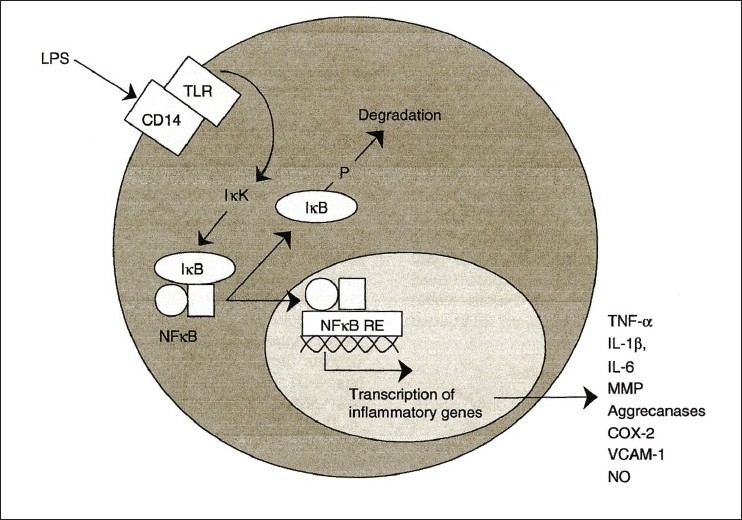
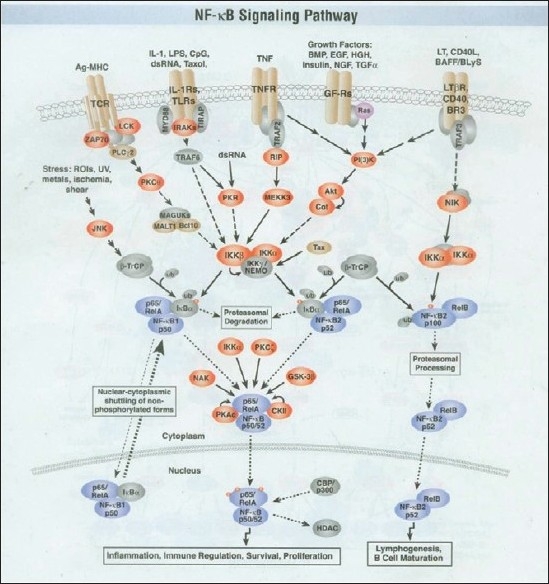
This paper reviews the pharmacology of Indian medicinal plants, starting with the historical background of European work on the subject beginning as early as the 17th century, and tracing its history through the work of Sen and Bose in the 1930's, and Vakhil's historic 1949 paper on Sarpaghanda. The often crucial role of patient feedback in early discoveries is highlighted, as is the time lag between proof of pharmacological action and identification of the active principle, and subsequent elucidation of mechanism of action. In the case of Indian plants in the 20th century this process sometimes took almost 50 years. Reserpine and its mechanisms are given in detail, and its current relevance to public health discussed. The foundation of present day methods of pharmacology is briefly presented so the complexity of methods used to identify properties of Ayurveda derived drugs like forskolin and baicalein, and their bioavailability, may be better appreciated. Ayurveda derived anti-oxidants and their levels of action, immuno-modulators, particularly with respect to the NF-kB pathway and its implications for cancer control, are all considered. The example of curcumin derived from turmeric is explained in more detail, because of its role in cancer prevention. Finally, the paper emphasizes the importance of Ayurveda's concepts of rasayana as a form of dietary chemo-prevention; the significance of ahar, diet, in Ayurveda's aspiration to prevent disease and restore health thus becomes clear. Understood in this light, Ayurveda may transcend pharmacology as a treatment paradigm.
本文回顾了印度药用植物的药理学,开篇介绍了欧洲早在17世纪就开始的关于该主题的研究的历史背景,并通过20世纪30年代森和博斯的研究以及瓦基尔1949年关于蛇根木的具有历史意义的论文追溯其历史。文中强调了患者反馈在早期发现中常常起到的关键作用,以及药理作用证明与活性成分鉴定之间的时间差,还有随后对作用机制的阐明。就20世纪的印度植物而言,这个过程有时耗时近50年。文中详细介绍了利血平及其作用机制,并讨论了其目前与公共卫生的相关性。简要介绍了当今药理学方法的基础,以便能更好地理解用于鉴定源自阿育吠陀的药物(如福斯高林和黄芩素)特性及其生物利用度的方法的复杂性。文中还考虑了源自阿育吠陀的抗氧化剂及其作用水平、免疫调节剂,特别是与核因子κB途径及其对癌症控制的影响相关的免疫调节剂。由于姜黄素在癌症预防中的作用,对源自姜黄的姜黄素的例子进行了更详细的解释。最后,本文强调了阿育吠陀的rasayana概念作为一种饮食化学预防形式的重要性;饮食(ahar)在阿育吠陀预防疾病和恢复健康的目标中的重要性由此变得清晰。从这个角度理解,阿育吠陀可能超越药理学成为一种治疗范式。