Department of Molecular Cellular Biology, University of California, Davis, CA, USA.
Trends Cell Biol. 2011 Oct;21(10):604-14. doi: 10.1016/j.tcb.2011.06.007. Epub 2011 Jul 23.
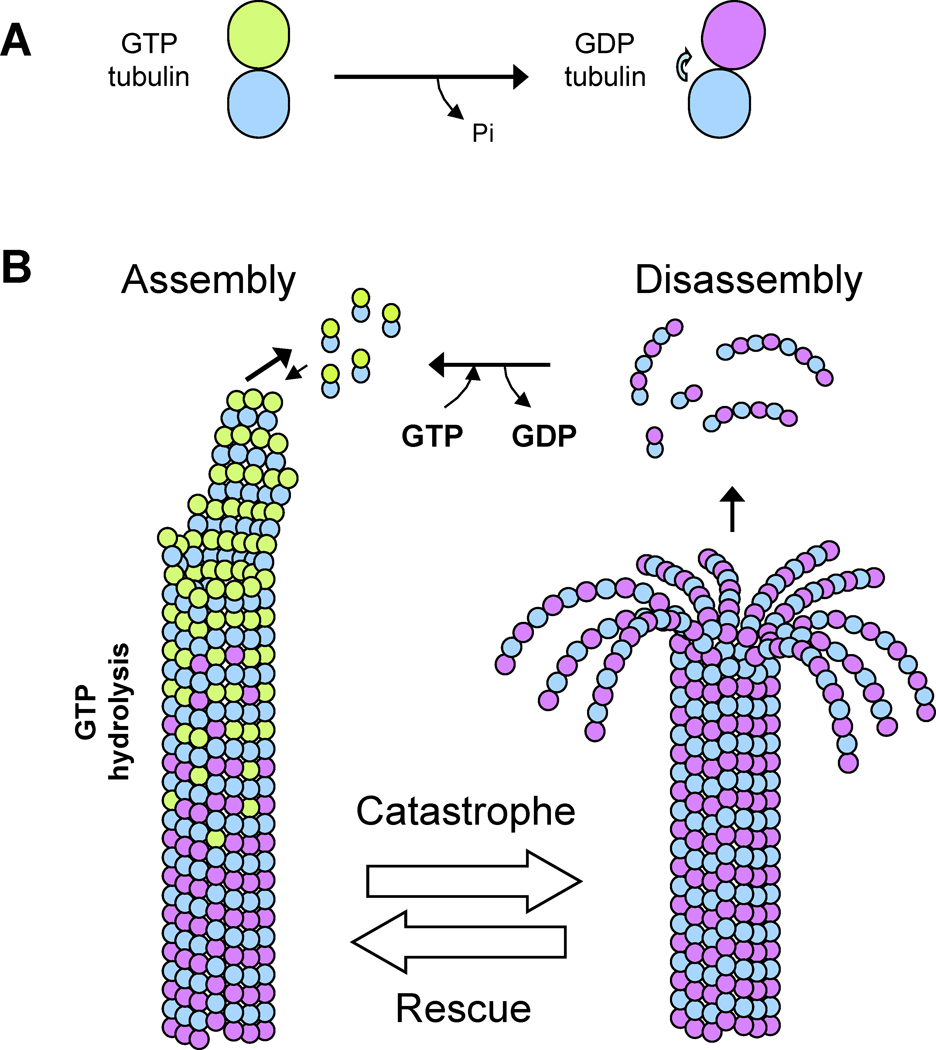
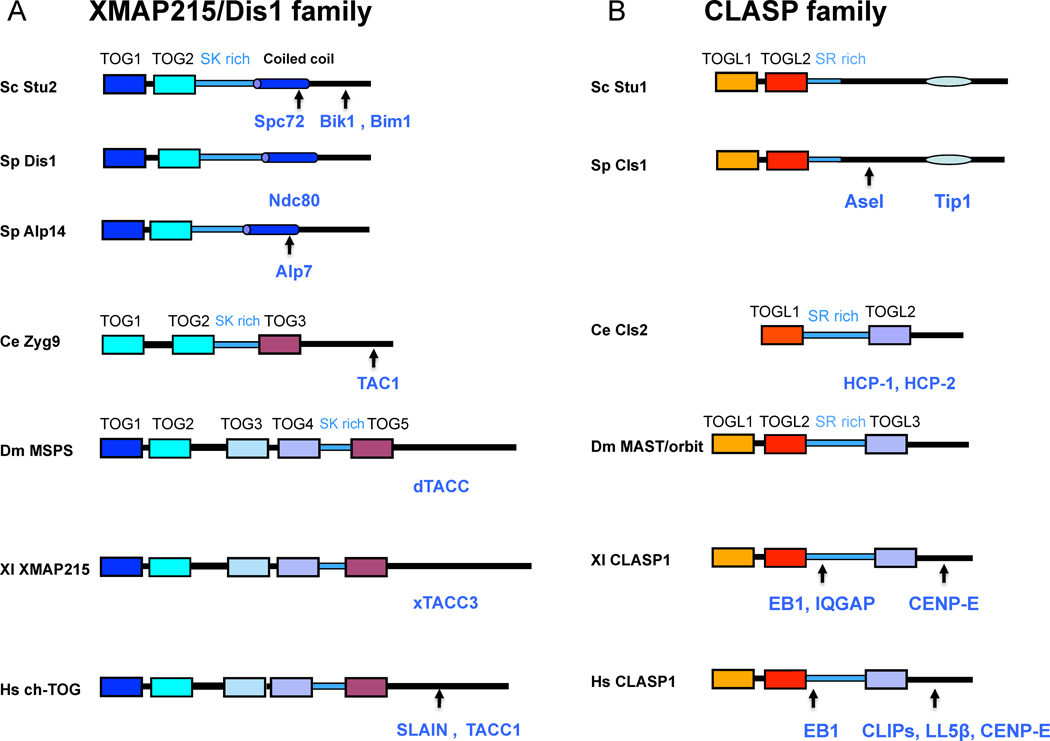
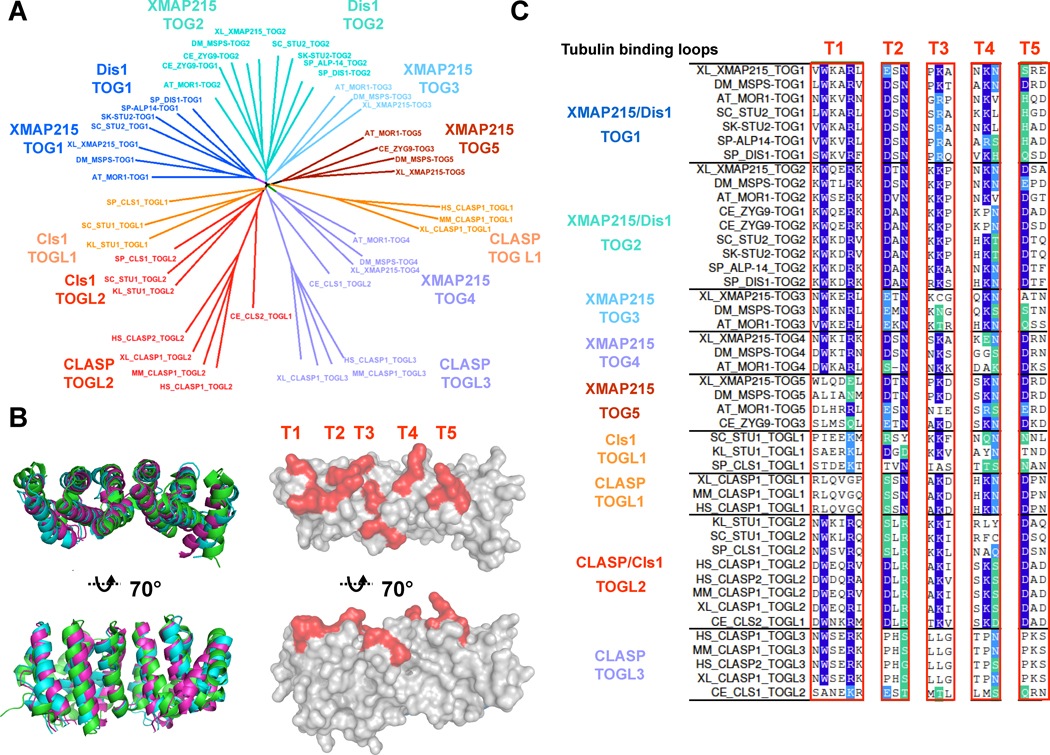
The molecular mechanisms by which microtubule-associated proteins (MAPs) regulate the dynamic properties of microtubules (MTs) are still poorly understood. We review recent advances in our understanding of two conserved families of MAPs, the XMAP215/Dis1 and CLASP family of proteins. In vivo and in vitro studies show that XMAP215 proteins act as microtubule polymerases at MT plus ends to accelerate MT assembly, and CLASP proteins promote MT rescue and suppress MT catastrophe events. These are structurally related proteins that use conserved TOG domains to recruit tubulin dimers to MTs. We discuss models for how these proteins might use these individual tubulin dimers to regulate dynamic behavior of MT plus ends.
微管相关蛋白(MAPs)调节微管(MTs)动态特性的分子机制仍知之甚少。我们综述了对两种保守的 MAP 家族,XMAP215/Dis1 和 CLASP 蛋白家族的理解的最新进展。体内和体外研究表明,XMAP215 蛋白在 MT 正极端作为微管聚合酶发挥作用,以加速 MT 组装,而 CLASP 蛋白促进 MT 挽救并抑制 MT 崩溃事件。这些是结构相关的蛋白,它们使用保守的 TOG 结构域将微管二聚体募集到 MT 上。我们讨论了这些蛋白如何使用这些单个微管二聚体来调节 MT 正极端的动态行为的模型。