III Medical Clinic, Johannes Gutenberg-University, Mainz, Germany.
PLoS One. 2011;6(7):e21799. doi: 10.1371/journal.pone.0021799. Epub 2011 Jul 18.
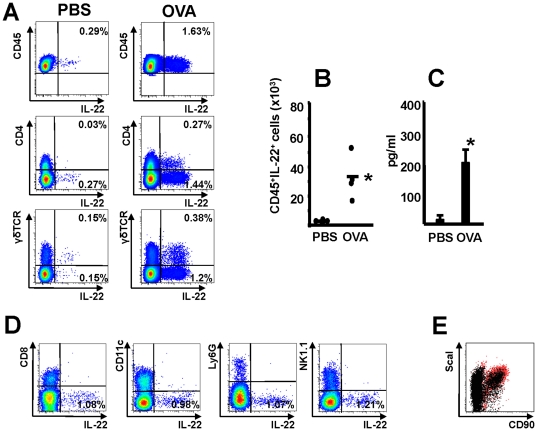
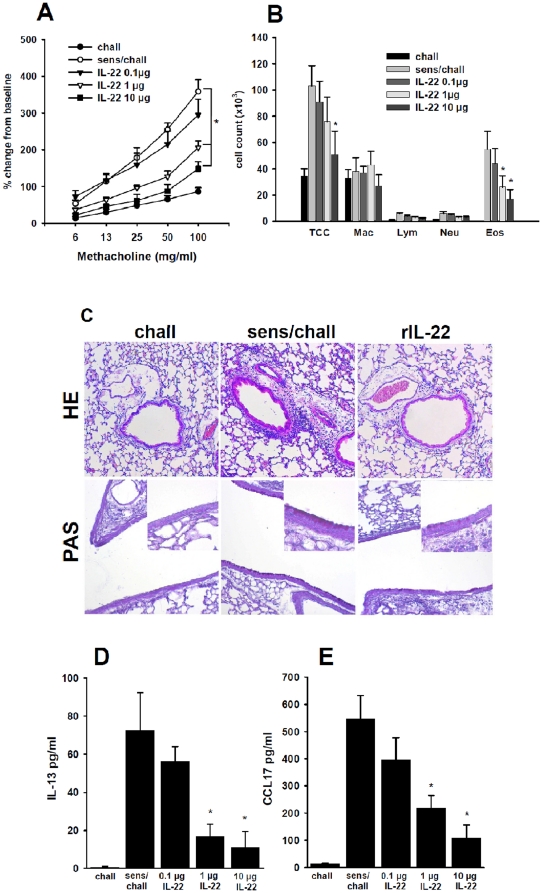
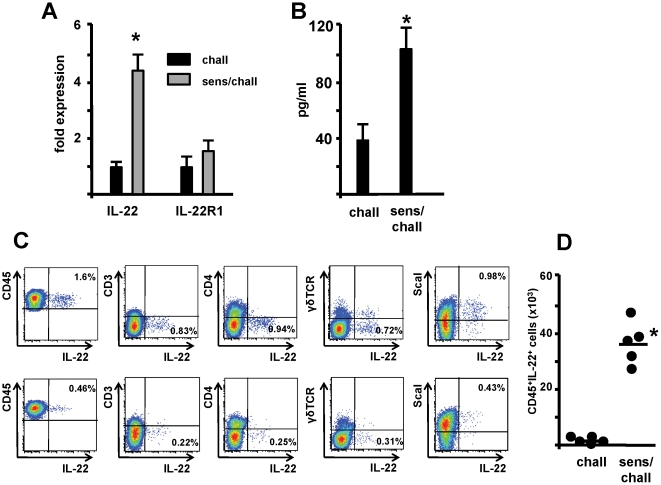
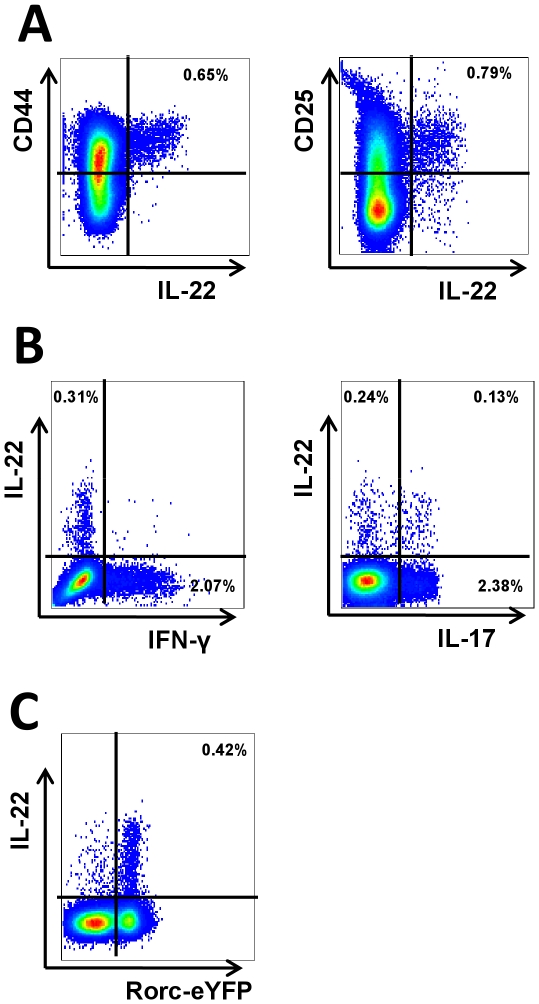
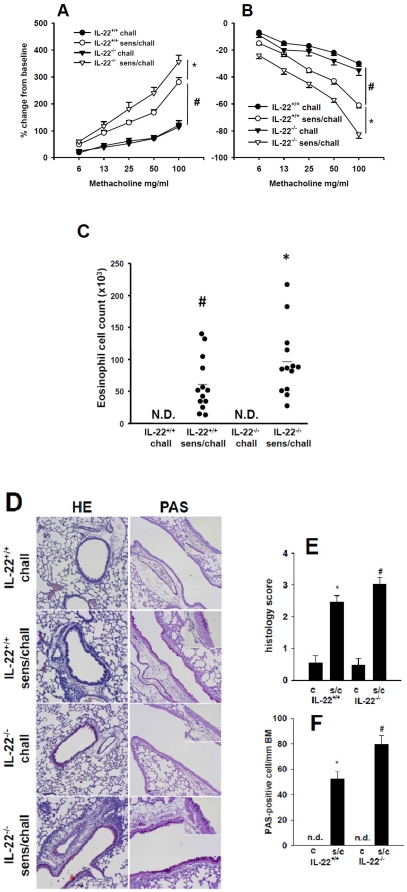
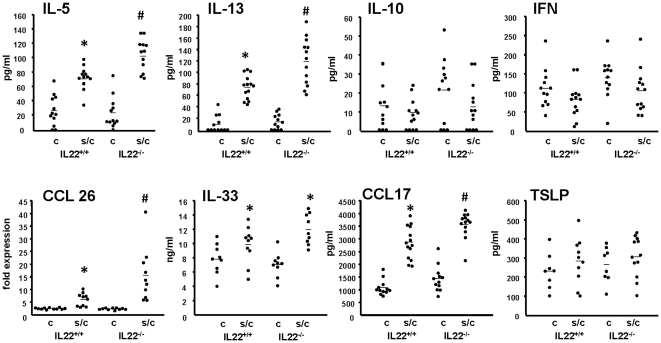
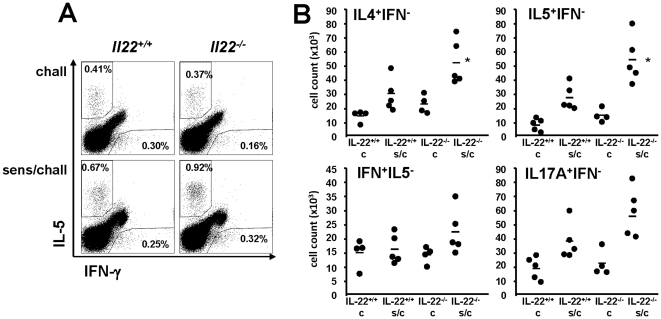
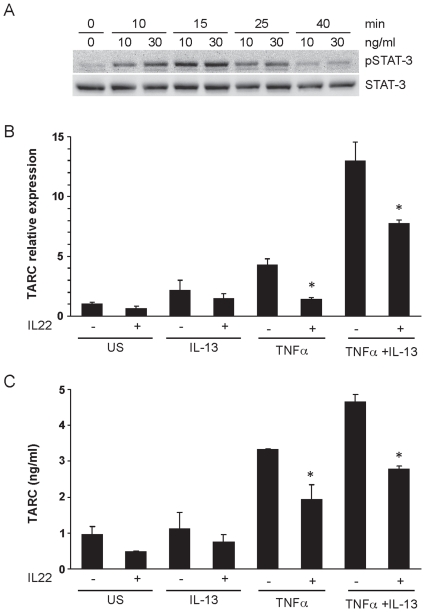
Interleukin (IL)-22 is an effector cytokine, which acts primarily on epithelial cells in the skin, gut, liver and lung. Both pro- and anti-inflammatory properties have been reported for IL-22 depending on the tissue and disease model. In a murine model of allergic airway inflammation, we found that IL-22 is predominantly produced by innate lymphoid cells in the inflamed lungs, rather than TH cells. To determine the impact of IL-22 on airway inflammation, we used allergen-sensitized IL-22-deficient mice and found that they suffer from significantly higher airway hyperreactivity upon airway challenge. IL-22-deficiency led to increased eosinophil infiltration lymphocyte invasion and production of CCL17 (TARC), IL-5 and IL-13 in the lung. Mice treated with IL-22 before antigen challenge displayed reduced expression of CCL17 and IL-13 and significant amelioration of airway constriction and inflammation. We conclude that innate IL-22 limits airway inflammation, tissue damage and clinical decline in allergic lung disease.
白细胞介素 (IL)-22 是一种效应细胞因子,主要作用于皮肤、肠道、肝脏和肺部的上皮细胞。根据组织和疾病模型的不同,IL-22 既有抗炎作用,也有促炎作用。在过敏性气道炎症的小鼠模型中,我们发现 IL-22 主要由肺部炎症中的固有淋巴细胞产生,而不是 TH 细胞。为了确定 IL-22 对气道炎症的影响,我们使用过敏原致敏的 IL-22 缺陷小鼠,发现它们在气道挑战时表现出明显更高的气道高反应性。IL-22 缺陷导致嗜酸性粒细胞浸润、淋巴细胞浸润和肺中 CCL17(TARC)、IL-5 和 IL-13 的产生增加。在抗原挑战前用 IL-22 处理的小鼠显示 CCL17 和 IL-13 的表达减少,气道收缩和炎症明显改善。我们得出结论,固有 IL-22 限制过敏性肺部疾病中的气道炎症、组织损伤和临床恶化。