Szeliga Jacek, Jackowski Marek, Kłodzińska Ewa, Buszewski Bogusław, Kupczyk Wojciech
Department of General, Gastroenterological and Oncological Surgery, Collegium Medicum in Bydgoszcz, Nicolaus Copernicus University, ul, Sw, Jozefa 53/59 PL-87-100 Toruń, Poland.
BMC Res Notes. 2011 Oct 30;4:467. doi: 10.1186/1756-0500-4-467.
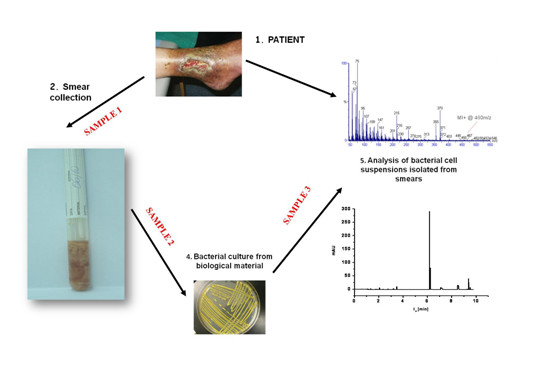
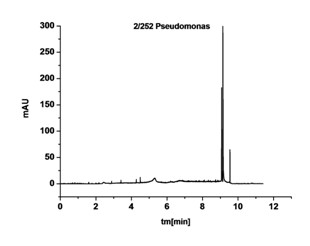
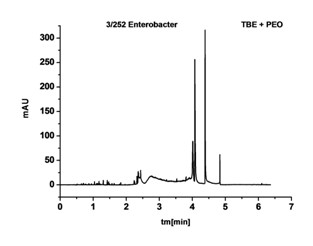
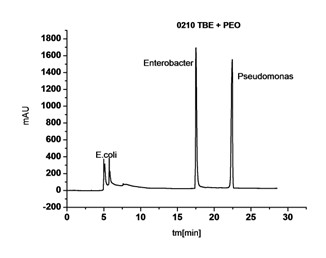
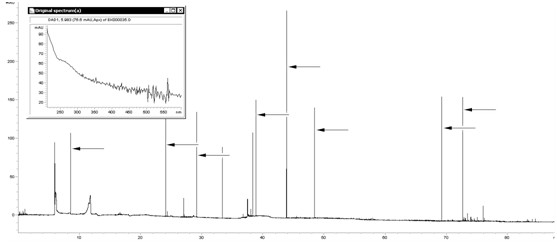
The basic clinical problem associated with infection treatment is the fact that classic, commonly and routinely used isolation and identification methods are based on long-term processes of a phenotypic analysis of microorganisms. Consequently sometimes, especially in small centres, rapid implementation of antibacterial treatment becomes delayed.The work presents the initial results of rapid microbiological identification based on an original method of capillary zone electrophoresis (CZE). The study involved the analysis of 78 biological samples from post-operative wounds and trophic ulcers.
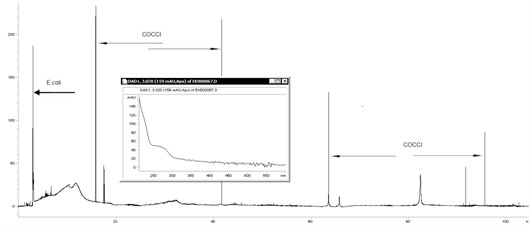
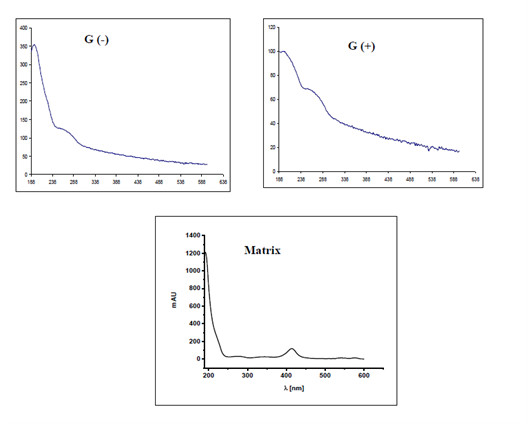
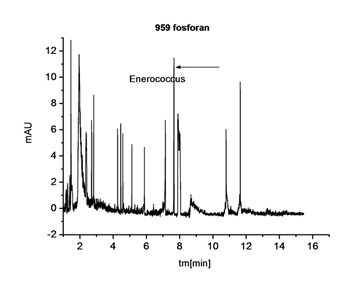
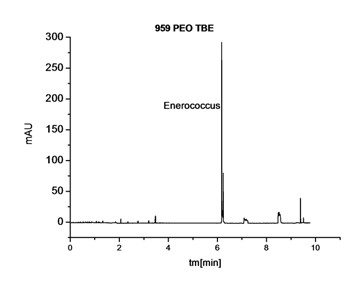
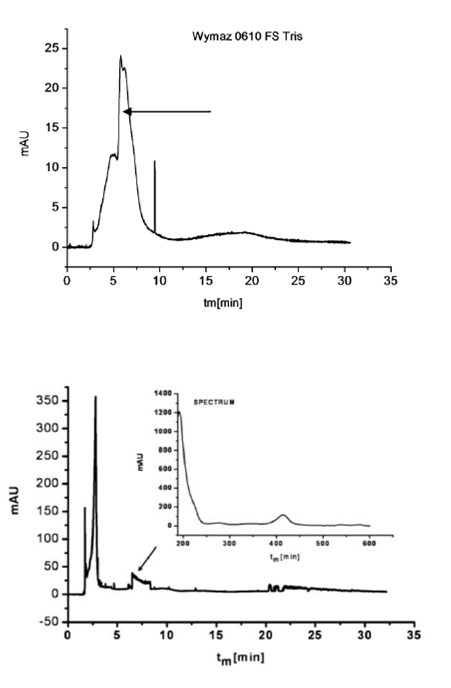
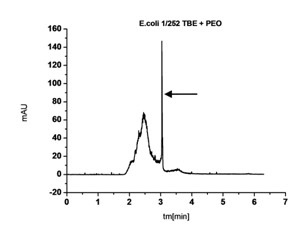
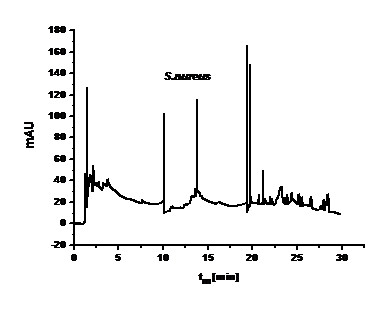
The attempt was made to identify individual bacterial species based on characteristic features of electropherograms achieved. Finally, G(+) cocci type bacteria and different G(-) rods were identified with sensitivity of 88.1% and specificity of 100%.
Based on the clinical trials using an electrophoretic technique in the field of microbiological diagnostics of infected exudate from a post-operative wound it can be concluded that it is a rapid and relatively sensitive method for initial identification of infectious pathogens.
与感染治疗相关的基本临床问题是,经典的、常用且常规使用的分离和鉴定方法基于微生物表型分析的长期过程。因此,有时,尤其是在小型医疗中心,抗菌治疗的快速实施会延迟。本文介绍了基于毛细管区带电泳(CZE)原始方法的快速微生物鉴定的初步结果。该研究涉及对78份来自术后伤口和营养性溃疡的生物样本进行分析。
尝试根据所获得的电泳图谱的特征来鉴定单个细菌种类。最终,鉴定出革兰氏阳性球菌型细菌和不同的革兰氏阴性杆菌,灵敏度为88.1%,特异性为100%。
基于在术后伤口感染渗出物微生物诊断领域使用电泳技术的临床试验,可以得出结论,这是一种用于初步鉴定感染病原体的快速且相对敏感的方法。