Center for Epigenetics and Metabolism, School of Medicine, University of California, Irvine, CA 92697, USA.
Trends Endocrinol Metab. 2012 Jan;23(1):1-8. doi: 10.1016/j.tem.2011.10.005. Epub 2011 Dec 12.
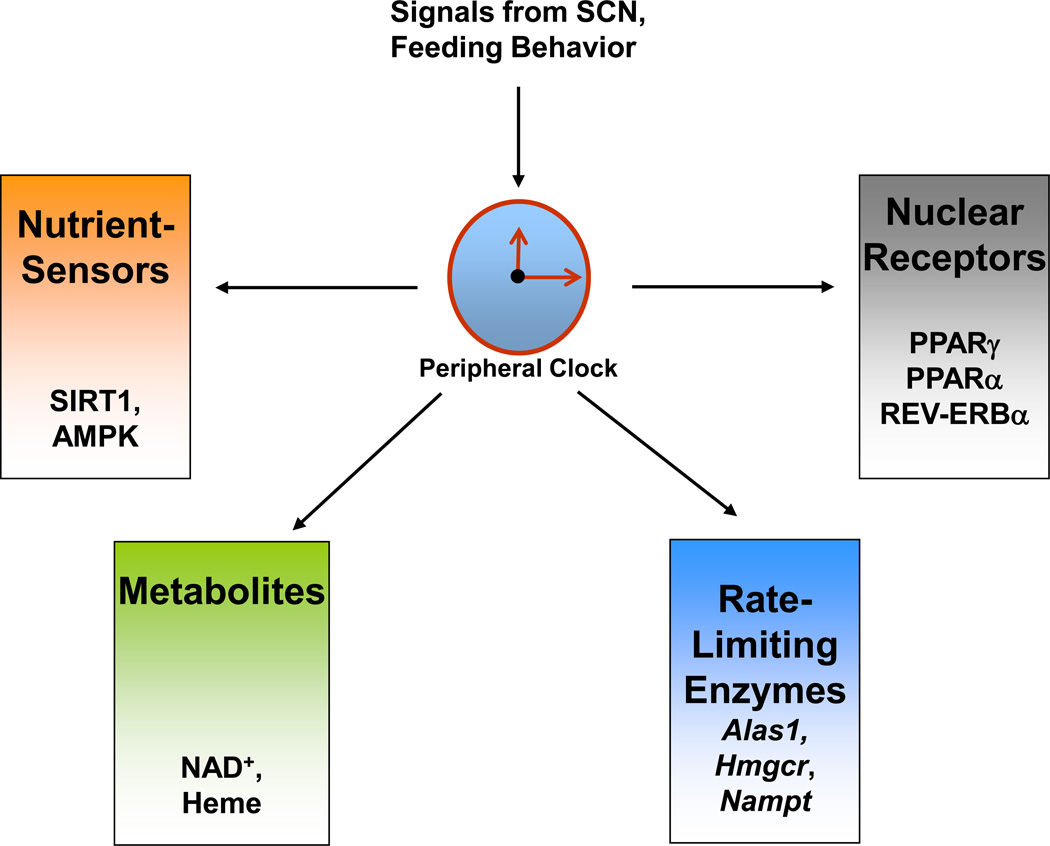
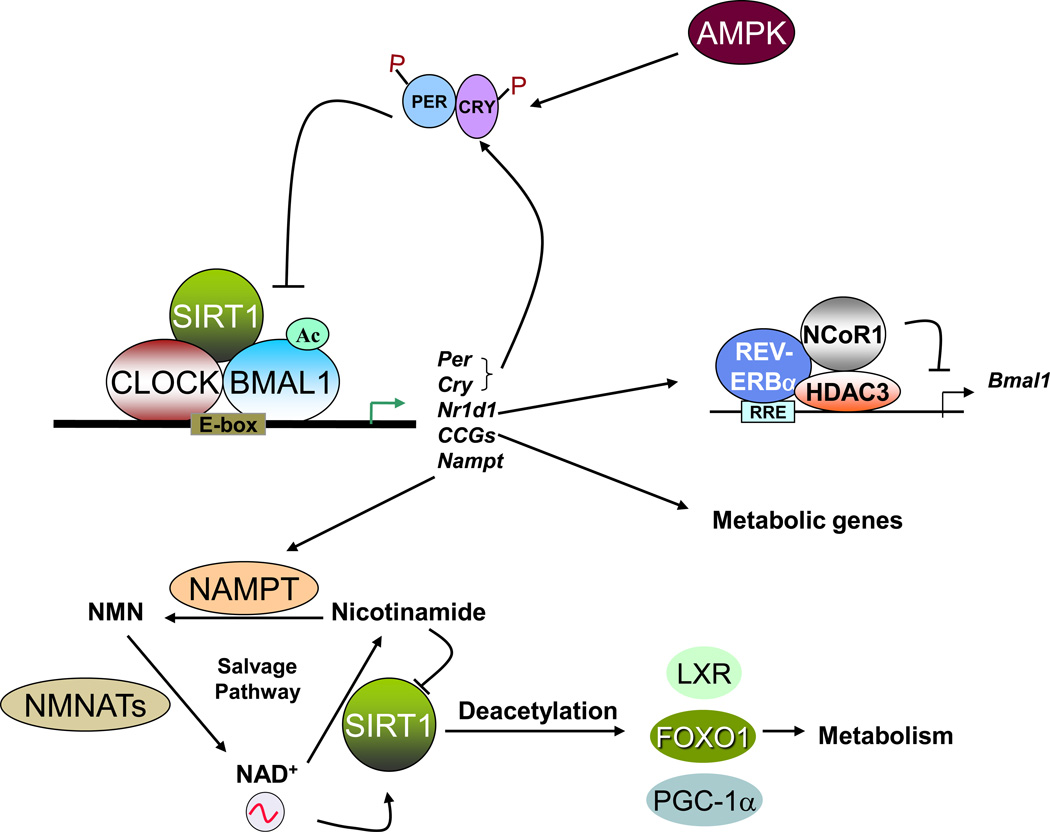
Circadian rhythms occur with a periodicity of approximately 24h and regulate a wide array of metabolic and physiologic functions. Accumulating epidemiological and genetic evidence indicates that disruption of circadian rhythms can be directly linked to many pathological conditions, including sleep disorders, depression, metabolic syndrome and cancer. Intriguingly, several molecular gears constituting the clock machinery have been found to establish functional interplays with regulators of cellular metabolism. Although the circadian clock regulates multiple metabolic pathways, metabolite availability and feeding behavior can in turn regulate the circadian clock. An in-depth understanding of this reciprocal regulation of circadian rhythms and cellular metabolism may provide insights into the development of therapeutic intervention against specific metabolic disorders.
昼夜节律的周期约为 24 小时,调节着广泛的代谢和生理功能。越来越多的流行病学和遗传学证据表明,昼夜节律的破坏可能与许多病理状况直接相关,包括睡眠障碍、抑郁症、代谢综合征和癌症。有趣的是,构成生物钟的几个分子齿轮已被发现与细胞代谢调节剂建立了功能相互作用。尽管生物钟调节多种代谢途径,但代谢物的可用性和进食行为也可以反过来调节生物钟。深入了解昼夜节律和细胞代谢的这种相互调节可能为针对特定代谢紊乱的治疗干预措施的发展提供新的思路。