Banks James, O'Dea Cormac, Oldfield Zoë
Institute for Fiscal Studies and University College London.
Econ J (London). 2011 Nov;120(548):F381-F410. doi: 10.1111/j.1468-0297.2010.02395.x.
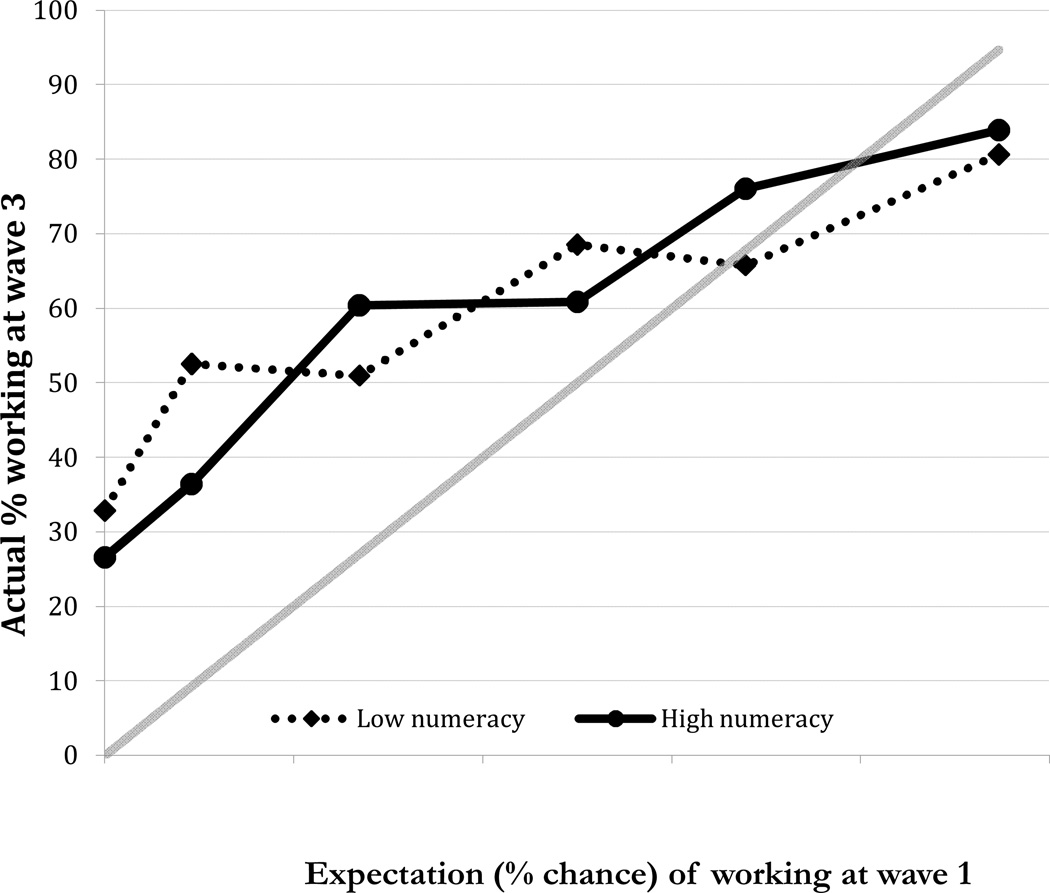
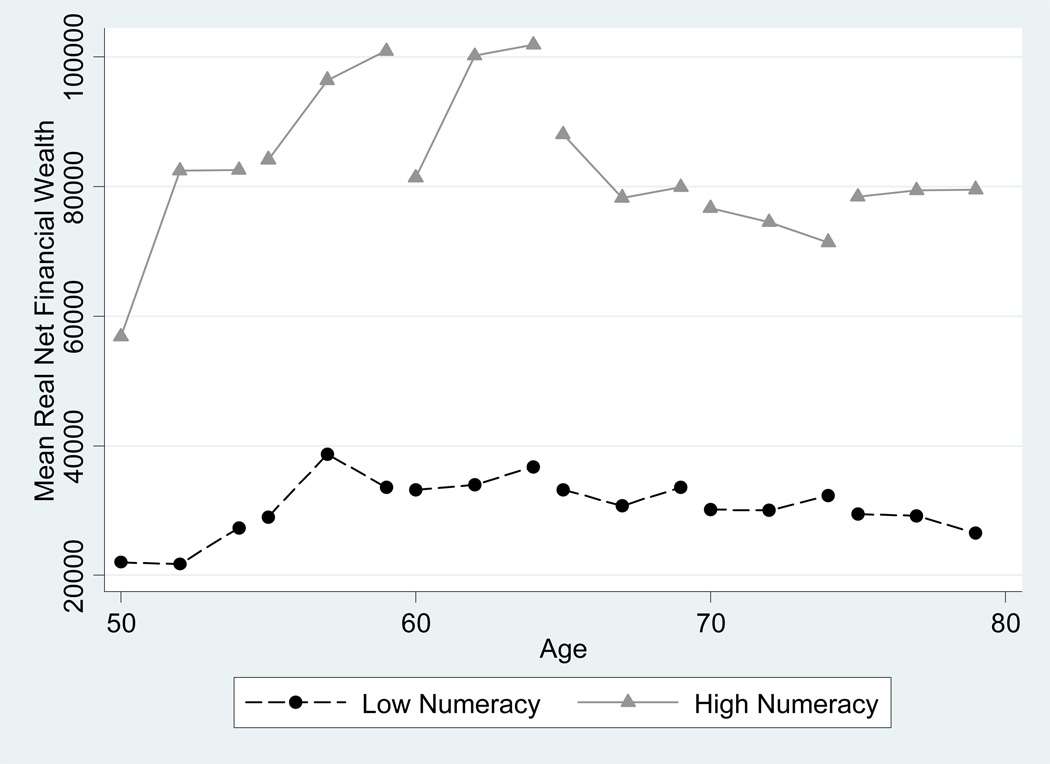
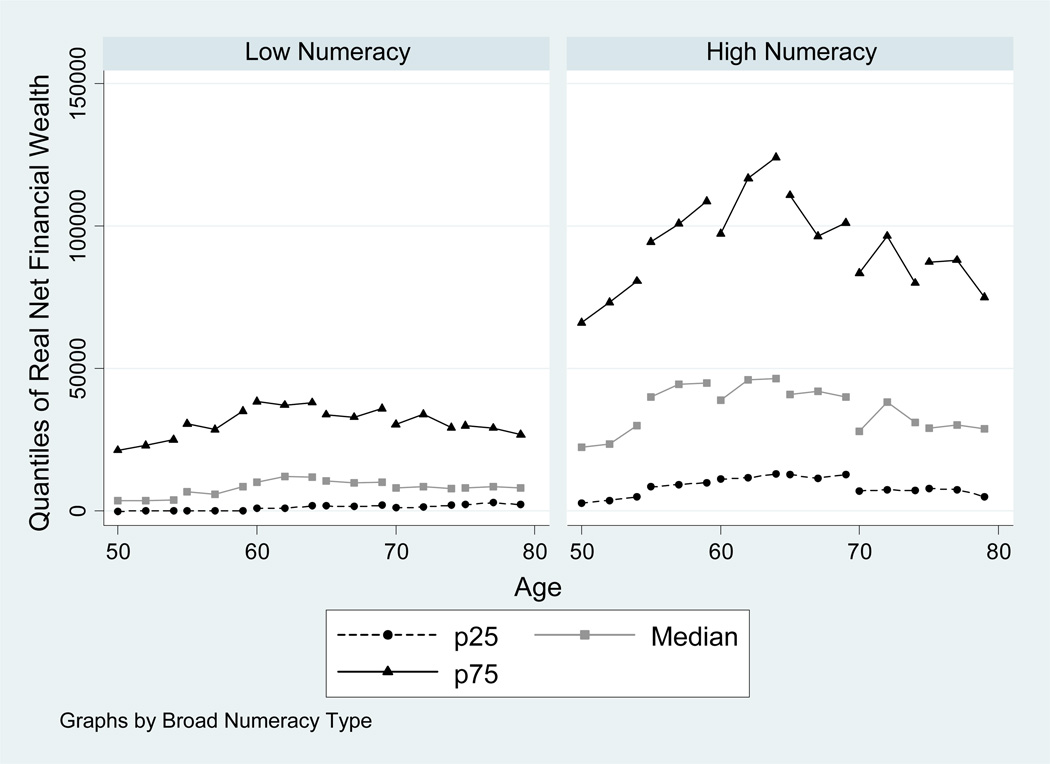
This paper examines the extent to which cognitive abilities relate to differences in trajectories for key economic outcomes as individuals move towards and through their retirement. We look at whether differences in baseline numeracy (measured in the English Longitudinal Study of Ageing in 2002) and broader cognitive ability predict the subsequent trajectories of outcomes such as wealth, retirement income and key dimensions of retirement expectations. Those with lower numeracy are shown to have different wealth trajectories both pre- and post-retirement than their more numerate counterparts, but the distributions of retirement expectations and net replacement rates are similar across numeracy groups.
本文探讨了随着个人步入退休及退休后的过程中,认知能力与关键经济成果轨迹差异之间的关联程度。我们研究了2002年英国老龄化纵向研究中所测量的基线计算能力差异以及更广泛的认知能力,是否能够预测财富、退休收入和退休期望的关键维度等结果的后续轨迹。结果显示,计算能力较低的人群在退休前后的财富轨迹与计算能力较强的人群不同,但各计算能力组在退休期望和净替代率的分布上是相似的。