Department of Neurology, University of New Mexico, Albuquerque, NM 87131, USA.
Int J Stroke. 2013 Jul;8(5):315-20. doi: 10.1111/j.1747-4949.2011.00754.x. Epub 2012 Feb 2.
NeuroThera Effectiveness and Safety Trials (NEST) 1 and 2 have demonstrated safety of transcranial laser therapy (TLT) for human treatment in acute ischemic stroke. NEST 1 study suggested efficacy of TLT but the following NEST 2, despite strong signals, missed reaching significance on its primary efficacy endpoint. In order to assess efficacy in a larger cohort, a pooled analysis was therefore performed.
The two studies were first compared for heterogeneity, and then a pooled analysis was performed to assess overall safety and efficacy, and examined particular subgroups. The primary endpoint for the pooled analysis was dichotomized modified Rankin scale (mRS) 0-2 at 90 days.
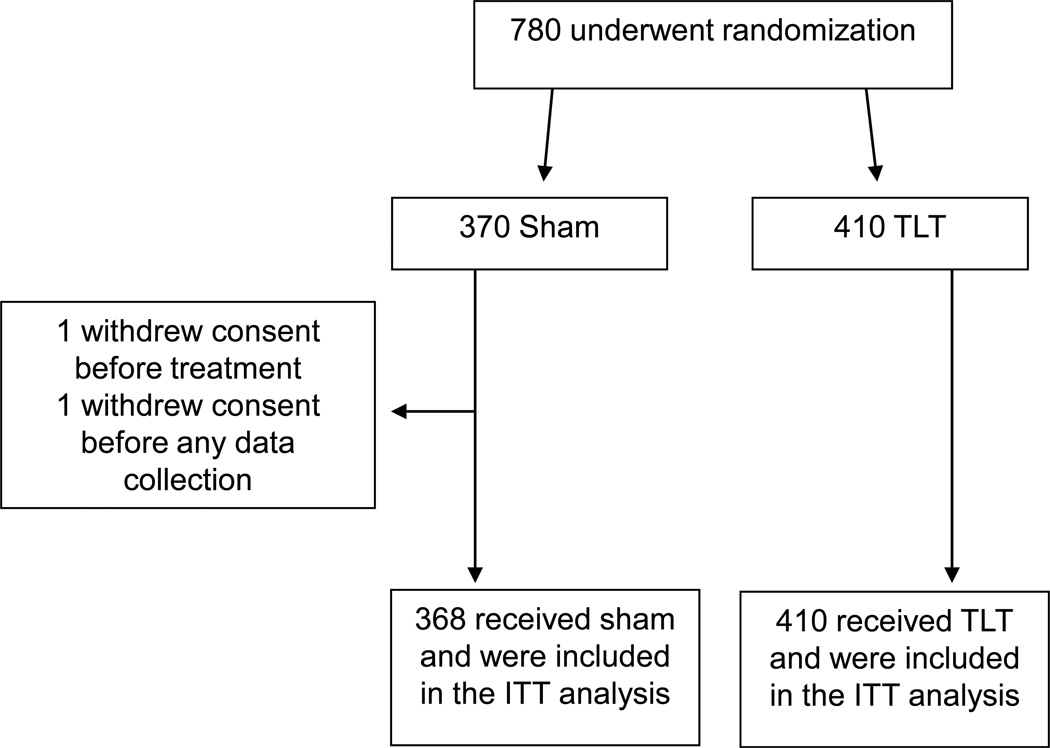
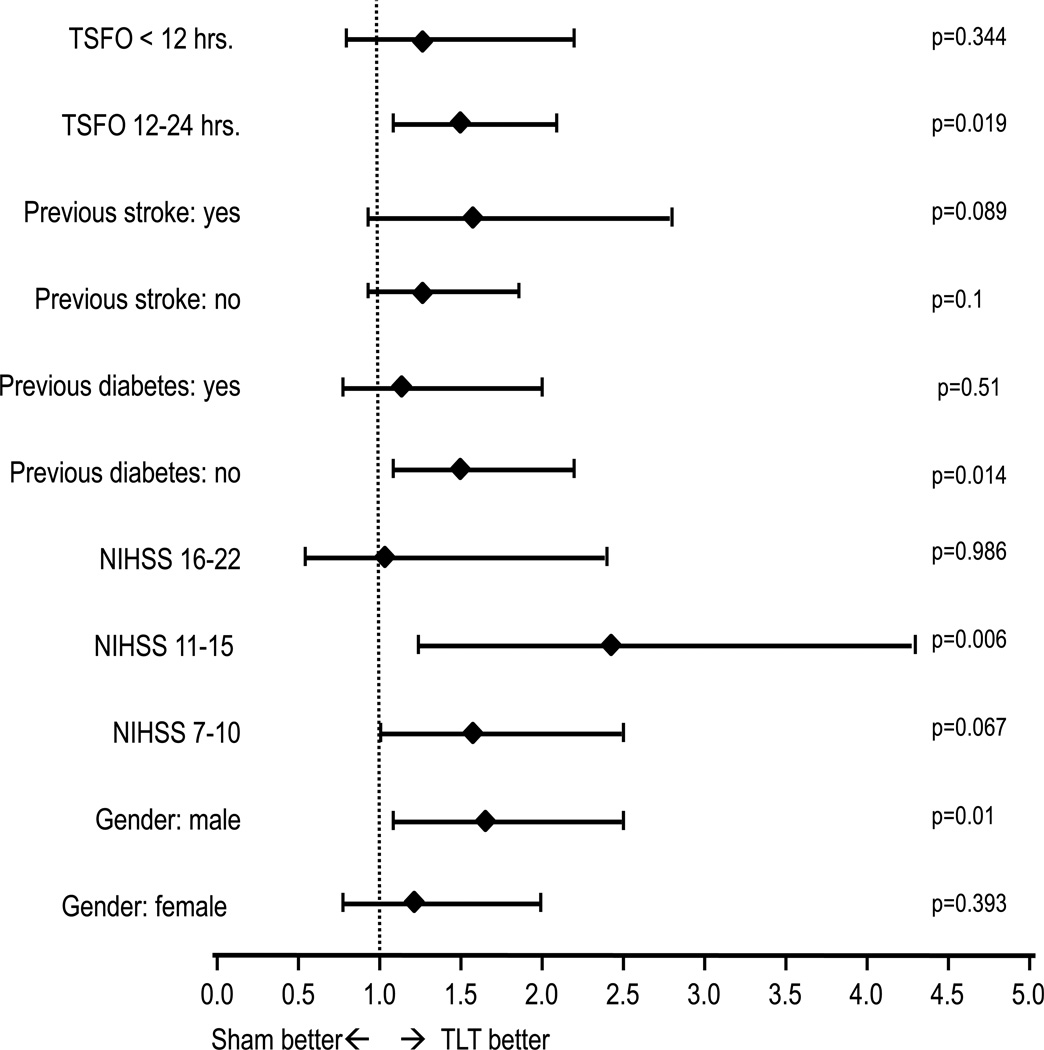
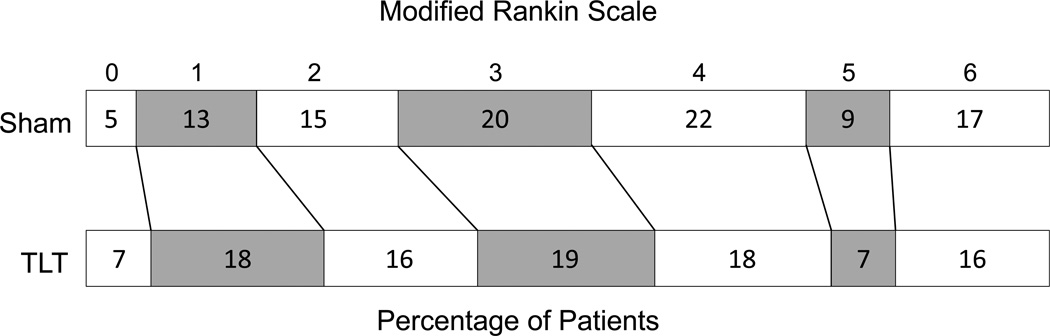
Efficacy analysis for the intention-to-treat population was based on a total of 778 patients. Baseline characteristics and prognostic factors were balanced between the two groups. The TLT group (n = 410) success rate measured by the dichotomized 90-day mRS was significantly higher compared with the sham group (n = 368) (P = 0·003, OR: 1·67, 95% CI: 1·19-2·35). The distribution of scores on the 90-day mRS was significantly different in TLT compared with sham (P = 0·0005 Cochran-Mantel-Haenszel). Subgroup analysis identified moderate strokes as a predictor of better treatment response.
This pooled analysis support the likelihood that transcranial laser therapy is effective for the treatment of acute ischemic stroke when initiated within 24 h of stroke onset. If ultimately confirmed, transcranial laser therapy will change management and improve outcomes of far more patients with acute ischemic stroke.
NeuroThera 有效性和安全性试验(NEST)1 和 2 已经证明了经颅激光治疗(TLT)用于人类急性缺血性中风治疗的安全性。NEST 1 研究表明 TLT 具有疗效,但随后的 NEST 2 研究尽管有强烈的信号,但在其主要疗效终点上未能达到显著水平。因此,为了评估更大队列中的疗效,进行了汇总分析。
首先比较了这两项研究的异质性,然后进行了汇总分析,以评估总体安全性和疗效,并检查了特定亚组。汇总分析的主要终点是 90 天时的二分法改良 Rankin 量表(mRS)0-2。
意向治疗人群的疗效分析基于总共 778 例患者。两组之间的基线特征和预后因素是平衡的。与假治疗组(n=368)相比,TLT 组(n=410)以 90 天 mRS 二分法衡量的成功率显著更高(P=0.003,OR:1.67,95%CI:1.19-2.35)。与假治疗相比,TLT 组的 90 天 mRS 评分分布明显不同(P=0.0005 Cochran-Mantel-Haenszel)。亚组分析确定中度中风是更好治疗反应的预测因素。
这项汇总分析支持了经颅激光治疗在中风发作后 24 小时内开始用于急性缺血性中风治疗的有效性。如果最终得到证实,经颅激光治疗将改变急性缺血性中风患者的治疗管理并改善更多患者的预后。