Henderson Theodore A
Neuro-Luminance, Inc., Denver, CO, United States.
Neuro-Laser Foundation, Denver, CO, United States.
Front Neurol. 2024 Aug 28;15:1398894. doi: 10.3389/fneur.2024.1398894. eCollection 2024.
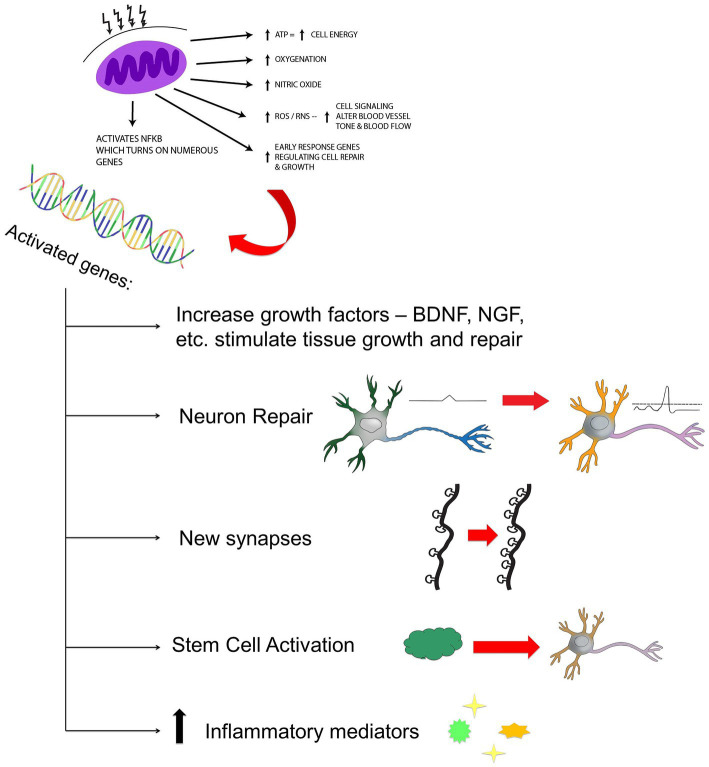
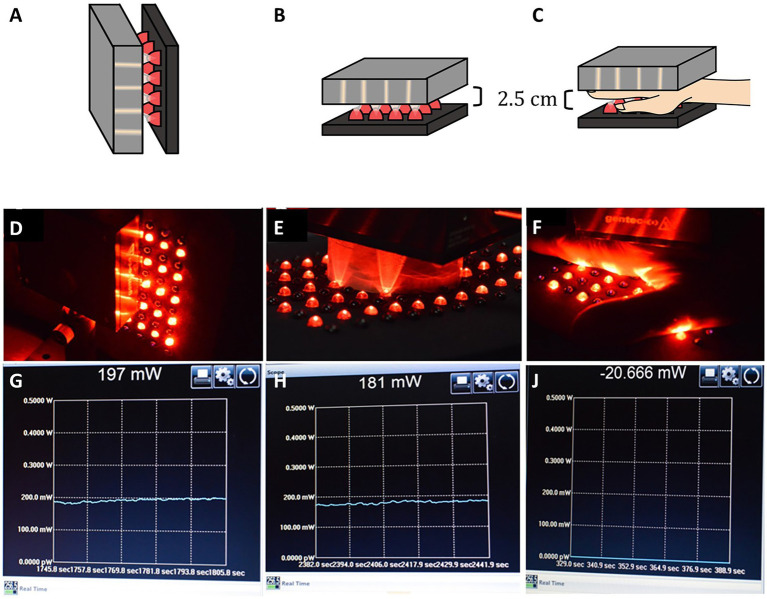
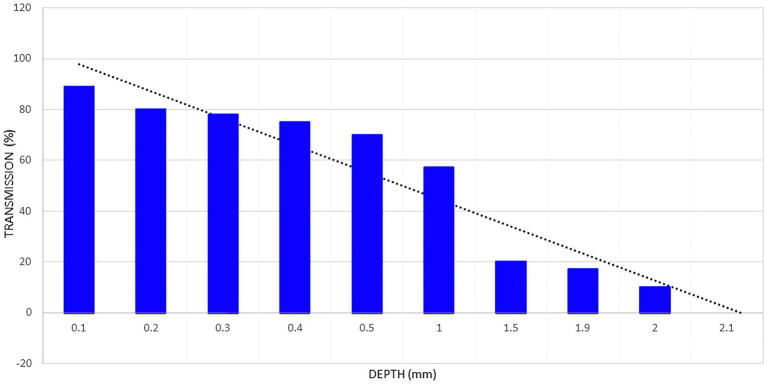
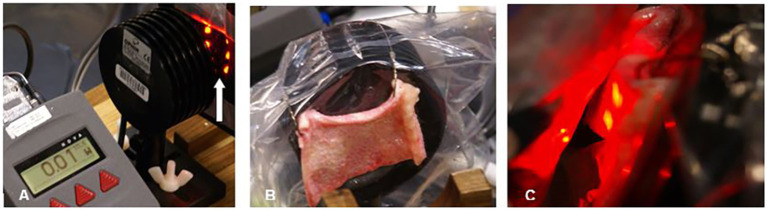
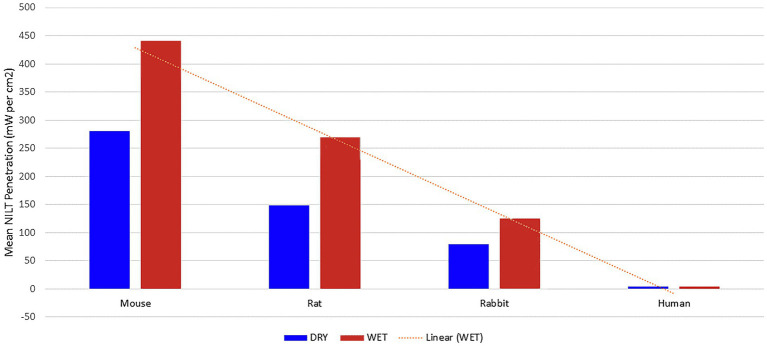
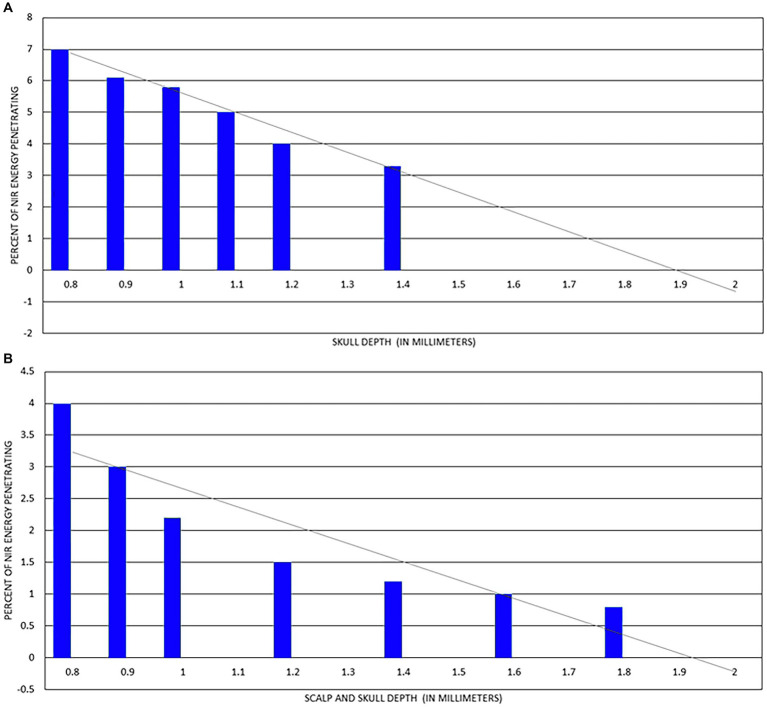
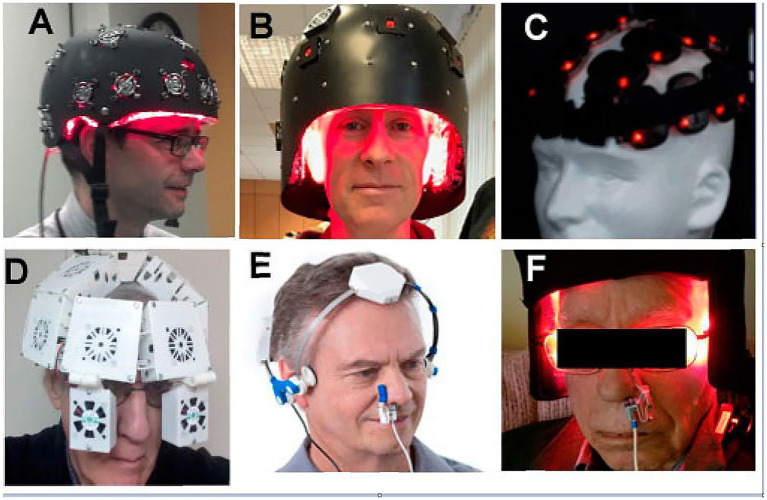
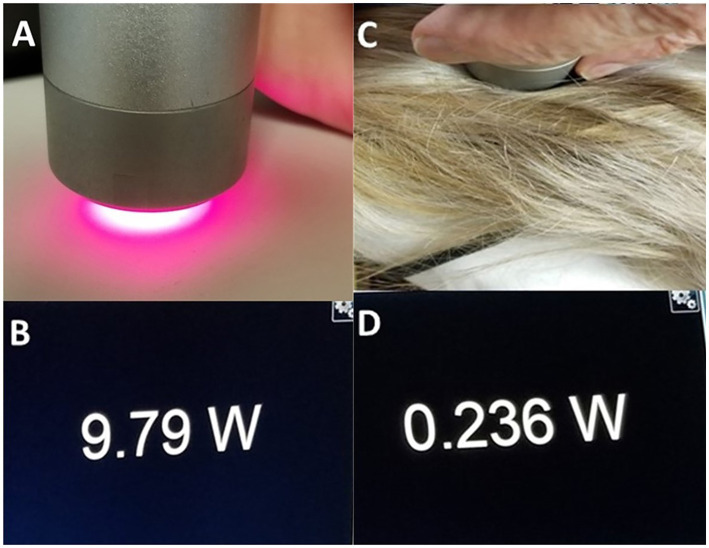
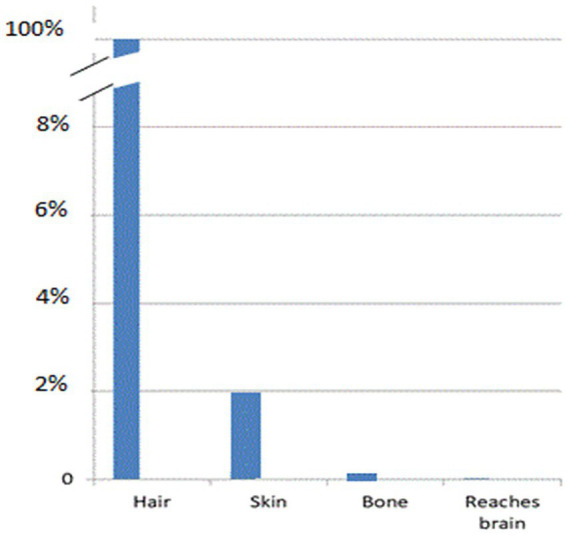
Near infrared (NIR) light has been shown to provide beneficial treatment of traumatic brain injury (TBI) and other neurological problems. This concept has spawned a plethora of commercial entities and practitioners utilizing panels of light emitting diodes (LEDs) and promising to treat patients with TBI and other disorders, who are desperate for some treatment for their untreatable conditions. Unfortunately, an LED intended to deliver photonic energy to the human brain does not necessarily do what an LED pointed at a mouse brain does. There is a problem of scale. Extensive prior research has shown that infrared light from a 0.5-watt LED will not penetrate the scalp and skull of a human. Both the properties of NIR light and the manner in which it interacts with tissue are examined. Based on these principles, the shortcomings of current approaches to treating neurological disorders with NIR light are explored. Claims of clinical benefit from low-level LED-based devices are explored and the proof of concept challenged. To date, that proof is thin with marginal benefits which are largely transient. Extensive research has shown fluence at the level of the target tissue which falls within the range of 0.9 J/cm to 15 J/cm is most effective in activating the biological processes at the cellular level which underlie direct photobiomodulation. If low-level infrared light from LED devices is not penetrating the scalp and skull, then these devices certainly are not delivering that level of fluence to the neurons of the subjacent brain. Alternative mechanisms, such as remote photobiomodulation, which may underlie the small and transient benefits for TBI symptoms reported for low-power LED-based NIR studies are presented. Actionable recommendations for the field are offered.
近红外(NIR)光已被证明能有效治疗创伤性脑损伤(TBI)和其他神经问题。这一概念催生了大量商业机构和从业者,他们使用发光二极管(LED)面板,并承诺为患有TBI和其他疾病的患者提供治疗,这些患者因无法治疗的病情而 desperate 寻求某种治疗方法。不幸的是,旨在向人类大脑传递光子能量的LED不一定能像指向小鼠大脑的LED那样发挥作用。存在一个规模问题。先前的大量研究表明,一个0.5瓦LED发出的红外光无法穿透人类的头皮和头骨。研究了近红外光的特性及其与组织相互作用的方式。基于这些原理,探讨了目前用近红外光治疗神经疾病方法的缺点。研究了基于低水平LED设备的临床益处的说法,并对其概念验证提出了质疑。迄今为止,这种证据很薄弱,益处有限且大多是短暂的。大量研究表明,目标组织水平的光通量在0.9 J/cm至15 J/cm范围内最有效地激活细胞水平的生物过程,这些过程是直接光生物调节的基础。如果来自LED设备的低水平红外光无法穿透头皮和头骨,那么这些设备肯定无法向下方大脑的神经元传递该水平的光通量。还介绍了替代机制,如远程光生物调节,它可能是基于低功率LED的近红外研究报告的TBI症状微小和短暂益处的基础。为该领域提供了可行的建议。 (注:原文中“desperate”未翻译完整,可补充完整意思,比如“极度渴望”等)