Surgery Unit, Institute of Child Health and Great Ormond Street Hospital, University College London, London WC1N 1EH, UK.
Biomaterials. 2012 Apr;33(12):3401-10. doi: 10.1016/j.biomaterials.2012.01.012. Epub 2012 Feb 3.
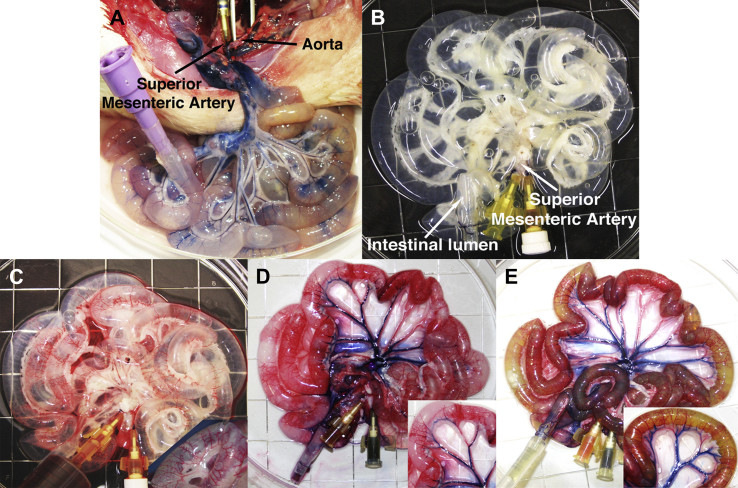
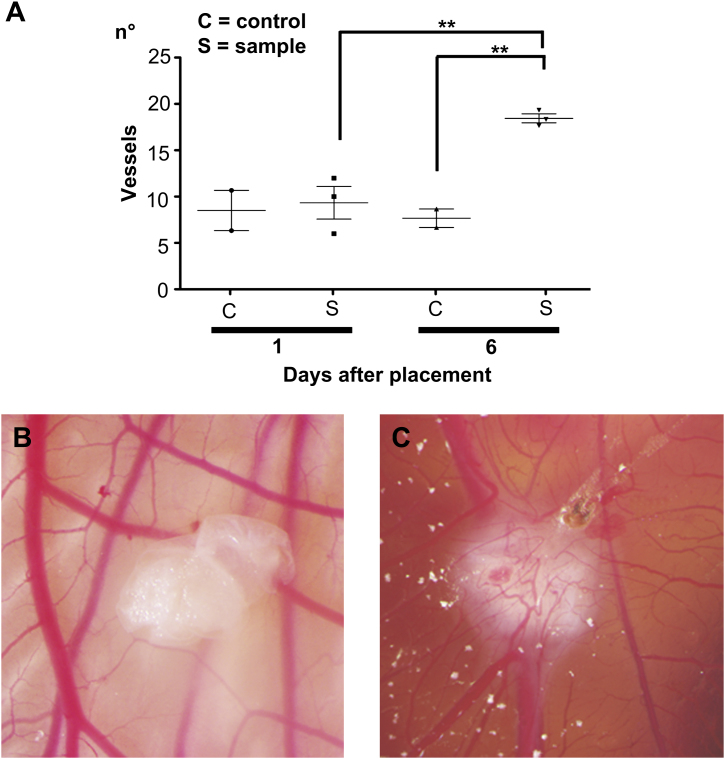
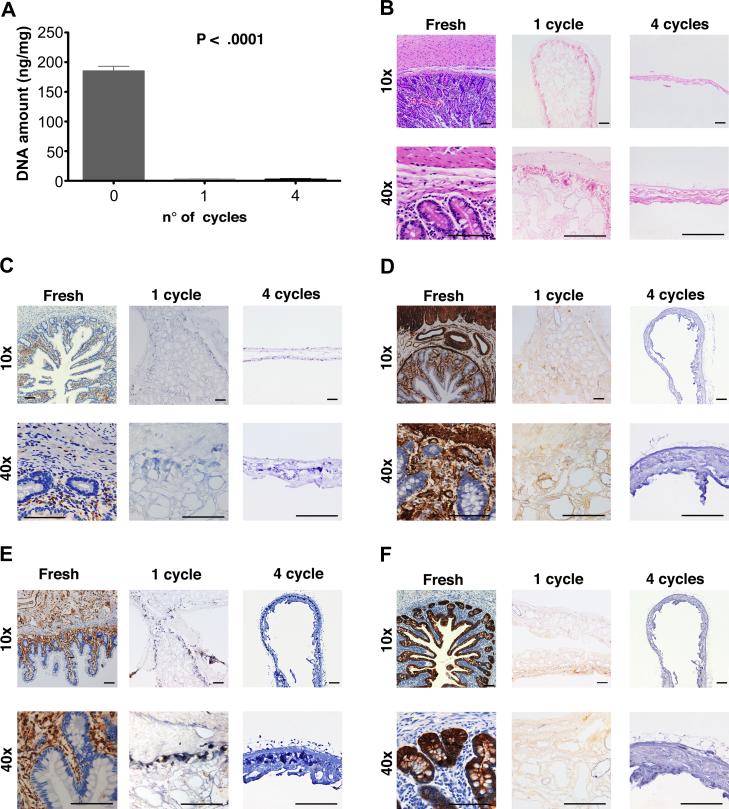
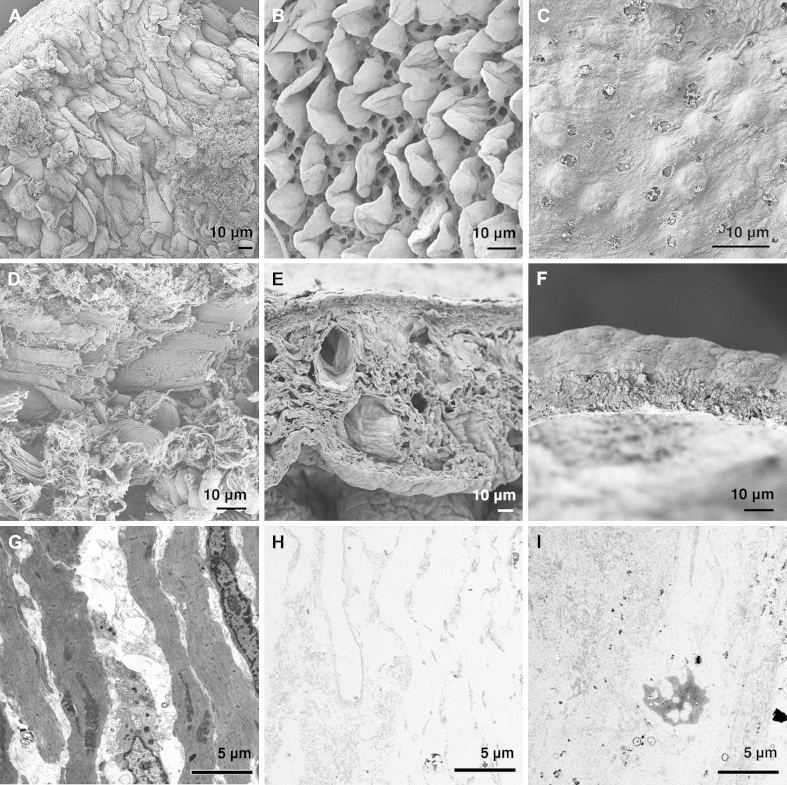
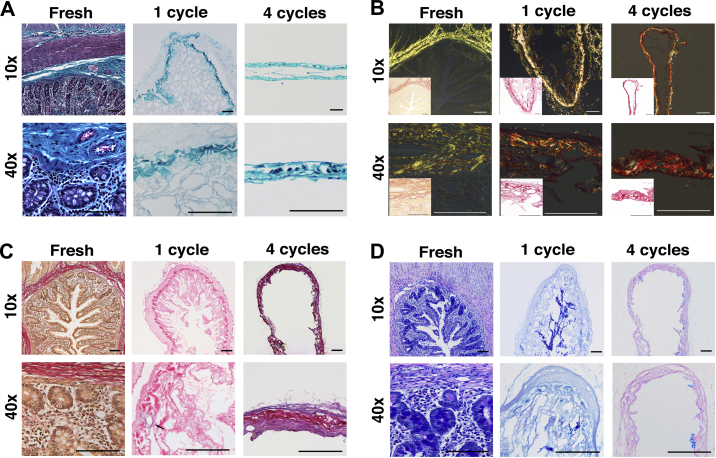
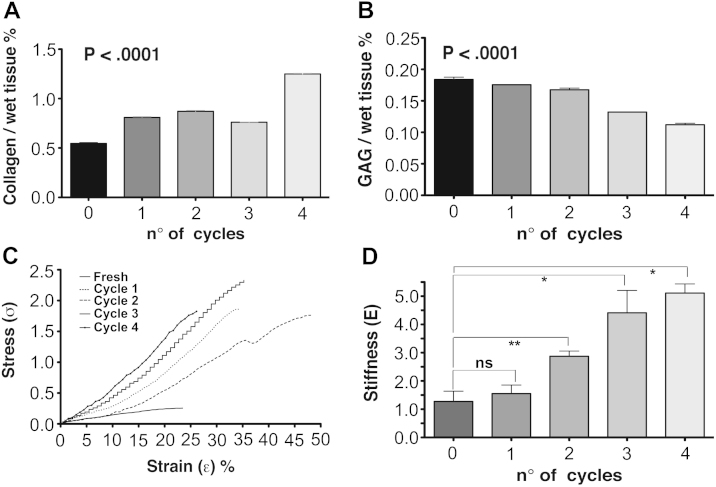
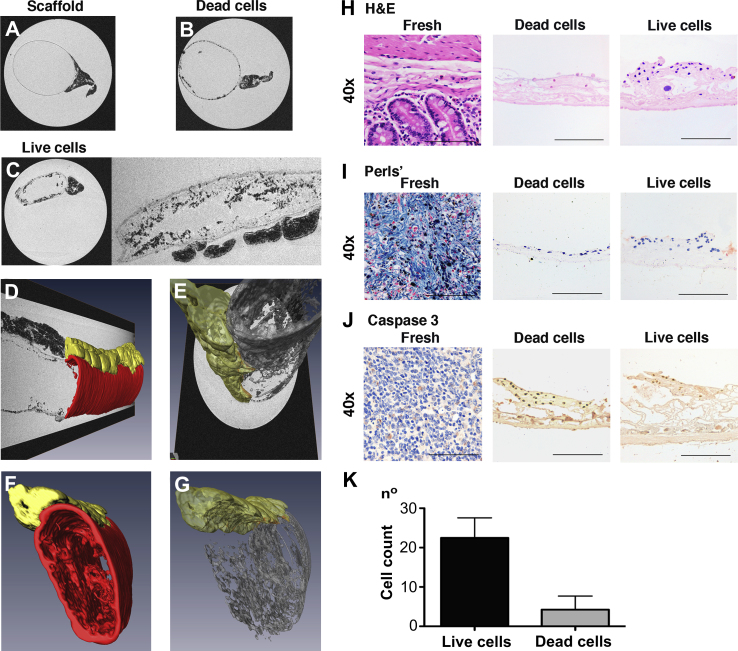
Management of intestinal failure remains a clinical challenge and total parenteral nutrition, intestinal elongation and/or transplantation are partial solutions. In this study, using a detergent-enzymatic treatment (DET), we optimize in rats a new protocol that creates a natural intestinal scaffold, as a base for developing functional intestinal tissue. After 1 cycle of DET, histological examination and SEM and TEM analyses showed removal of cellular elements with preservation of the native architecture and connective tissue components. Maintenance of biomechanical, adhesion and angiogenic properties were also demonstrated strengthen the idea that matrices obtained using DET may represent a valid support for intestinal regeneration.
肠衰竭的管理仍然是一个临床挑战,全胃肠外营养、肠延长和/或移植是部分解决方案。在这项研究中,我们使用去污剂-酶处理(DET),在大鼠中优化了一种新方案,该方案创建了一个天然肠支架,作为开发功能性肠组织的基础。经过 1 个 DET 周期后,组织学检查和 SEM 及 TEM 分析显示,在保留固有结构和结缔组织成分的同时去除了细胞成分。生物力学、黏附和血管生成特性的维持也得到了证明,这进一步证实了使用 DET 获得的基质可能是肠再生的有效支持。