Brain, TRI & Department of Neurosurgery, University Hospital Antwerp, Belgium.
PLoS One. 2012;7(2):e31182. doi: 10.1371/journal.pone.0031182. Epub 2012 Feb 10.
Tinnitus refers to auditory phantom sensation. It is estimated that for 2% of the population this auditory phantom percept severely affects the quality of life, due to tinnitus related distress. Although the overall distress levels do not differ between sexes in tinnitus, females are more influenced by distress than males. Typically, pain, sleep, and depression are perceived as significantly more severe by female tinnitus patients. Studies on gender differences in emotional regulation indicate that females with high depressive symptoms show greater attention to emotion, and use less anti-rumination emotional repair strategies than males.
The objective of this study was to verify whether the activity and connectivity of the resting brain is different for male and female tinnitus patients using resting-state EEG.
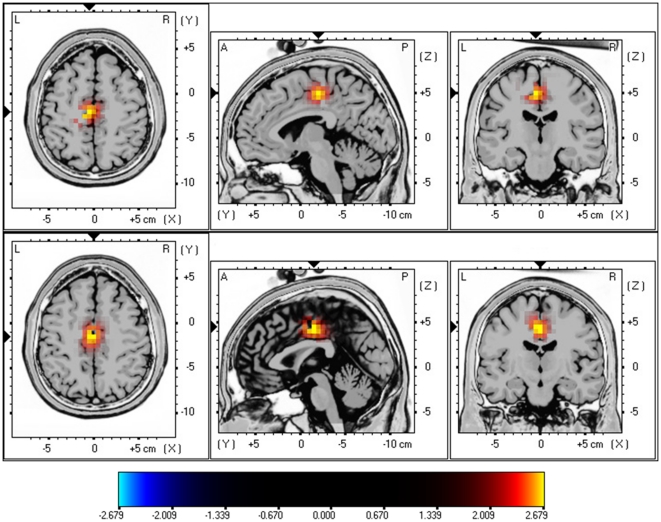
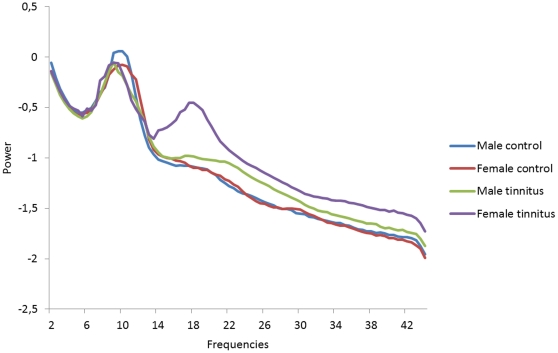
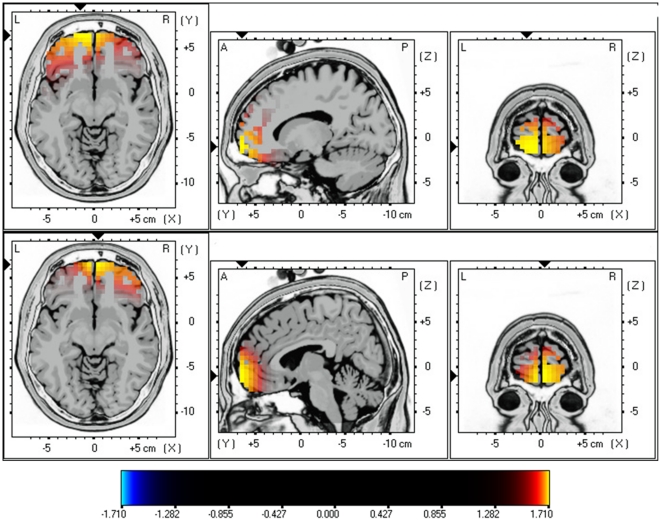
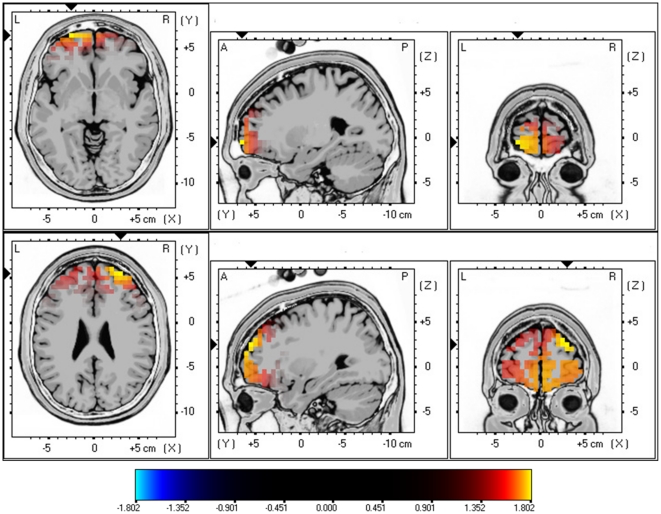
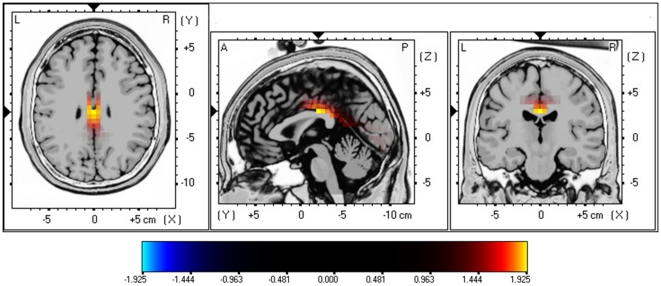
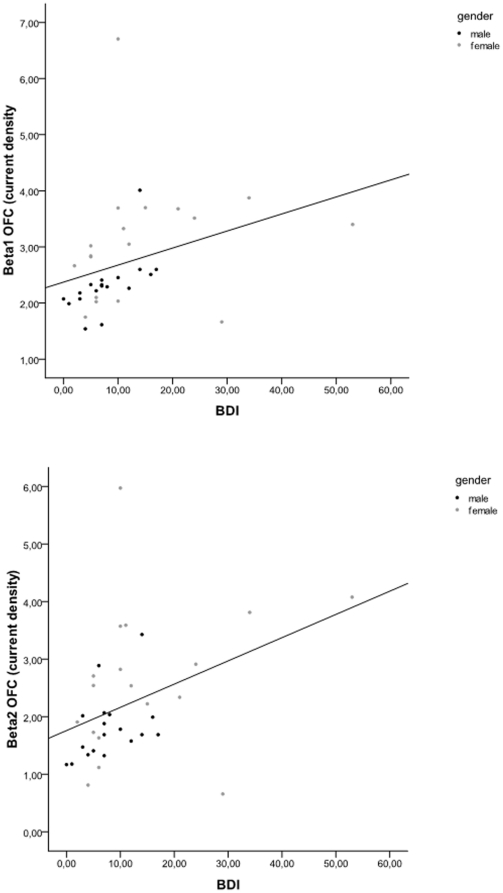
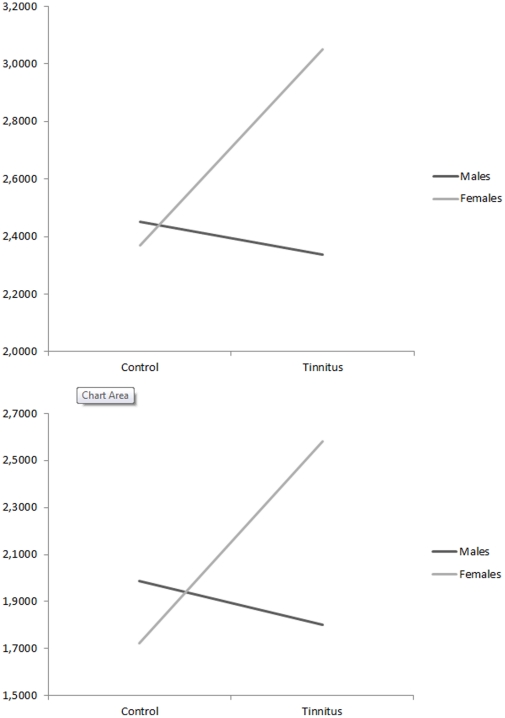
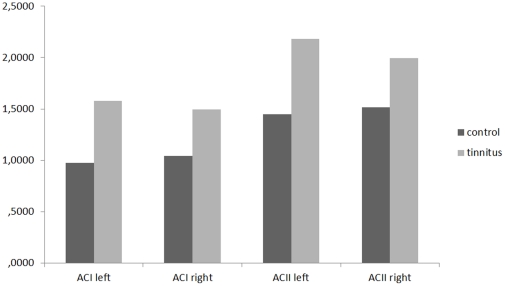
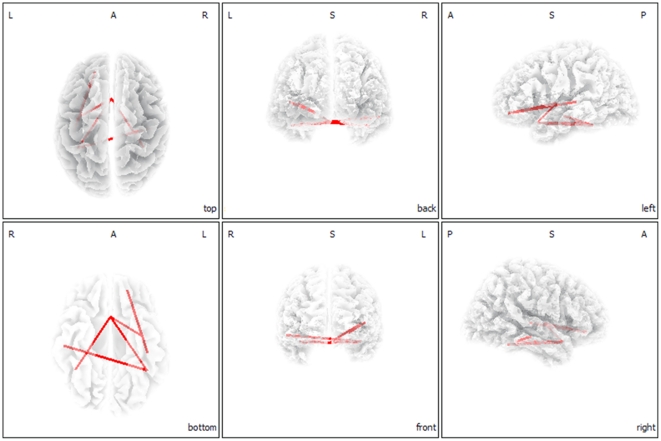
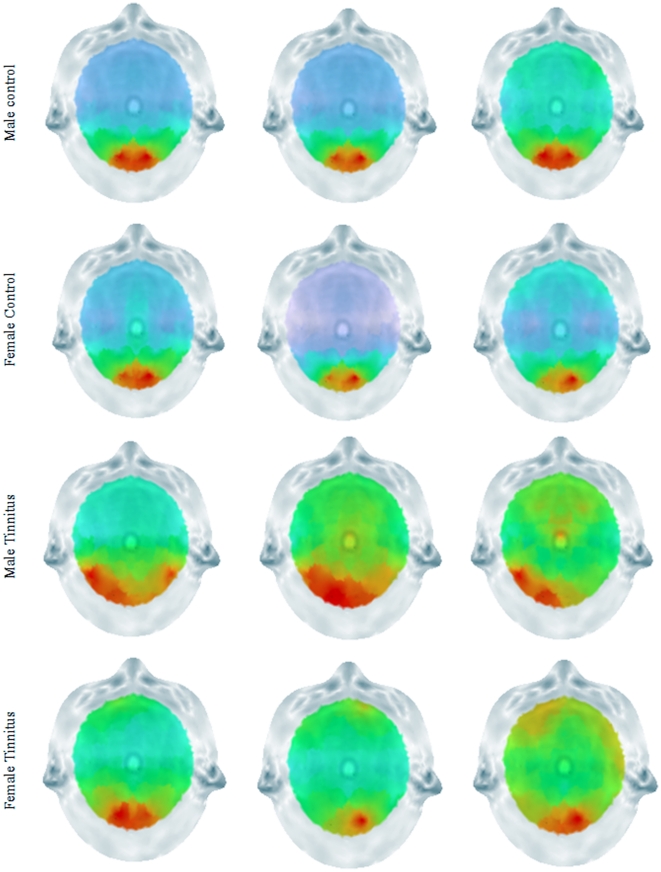
Females had a higher mean score than male tinnitus patients on the BDI-II. Female tinnitus patients differ from male tinnitus patients in the orbitofrontal cortex (OFC) extending to the frontopolar cortex in beta1 and beta2. The OFC is important for emotional processing of sounds. Increased functional alpha connectivity is found between the OFC, insula, subgenual anterior cingulate (sgACC), parahippocampal (PHC) areas and the auditory cortex in females. Our data suggest increased functional connectivity that binds tinnitus-related auditory cortex activity to auditory emotion-related areas via the PHC-sgACC connections resulting in a more depressive state even though the tinnitus intensity and tinnitus-related distress are not different from men. Comparing male tinnitus patients to a control group of males significant differences could be found for beta3 in the posterior cingulate cortex (PCC). The PCC might be related to cognitive and memory-related aspects of the tinnitus percept. Our results propose that sex influences in tinnitus research cannot be ignored and should be taken into account in functional imaging studies related to tinnitus.
耳鸣是指听觉幻觉。据估计,有 2%的人口因耳鸣相关困扰而严重影响生活质量。尽管在耳鸣患者中,性别之间的总体困扰程度没有差异,但女性受到困扰的程度比男性更大。通常,女性耳鸣患者会感到疼痛、睡眠和抑郁更为严重。关于情绪调节的性别差异研究表明,抑郁症状较高的女性对情绪的关注度更高,使用的反刍情绪修复策略比男性更少。
本研究的目的是使用静息态 EEG 验证男性和女性耳鸣患者静息大脑的活动和连通性是否不同。
女性在 BDI-II 上的平均得分高于男性耳鸣患者。女性耳鸣患者在眶额皮层(OFC)至额极的β1 和β2 中与男性耳鸣患者不同。OFC 对声音的情绪处理很重要。在女性中,发现 OFC、岛叶、前扣带回下部(sgACC)、海马旁回(PHC)区域与听觉皮层之间的功能α连通性增加。我们的数据表明,通过 PHC-sgACC 连接将耳鸣相关听觉皮层活动与听觉情绪相关区域联系起来的功能连通性增加,导致即使耳鸣强度和耳鸣相关困扰与男性不同,女性也会处于更抑郁的状态。将男性耳鸣患者与男性对照组进行比较,在后扣带回皮层(PCC)中发现β3 存在显著差异。PCC 可能与耳鸣感知的认知和记忆相关方面有关。我们的结果表明,性别对耳鸣研究的影响不容忽视,应该在与耳鸣相关的功能成像研究中考虑到这一点。