Genetics and Molecular Biology Graduate Program, Emory University, Atlanta, GA 30322, USA.
Curr Opin Genet Dev. 2012 Jun;22(3):256-63. doi: 10.1016/j.gde.2012.02.002. Epub 2012 Feb 28.
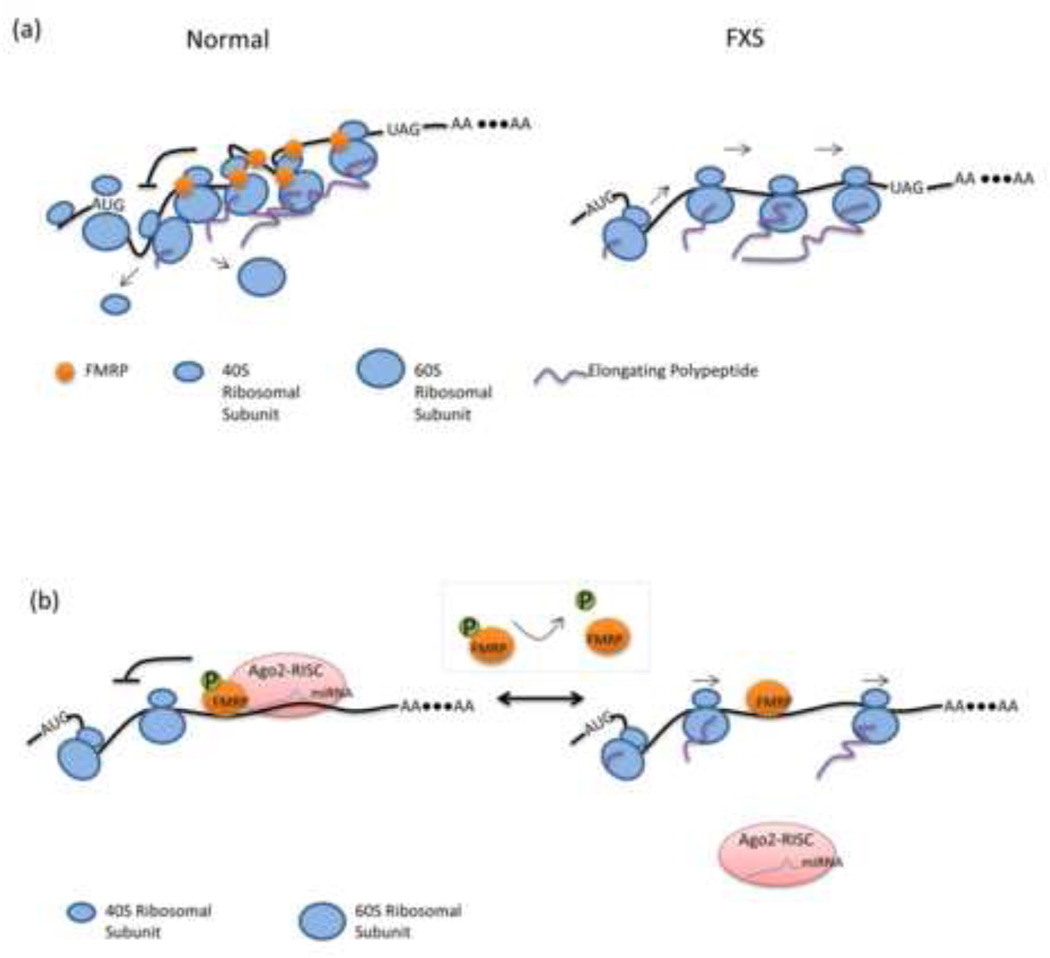
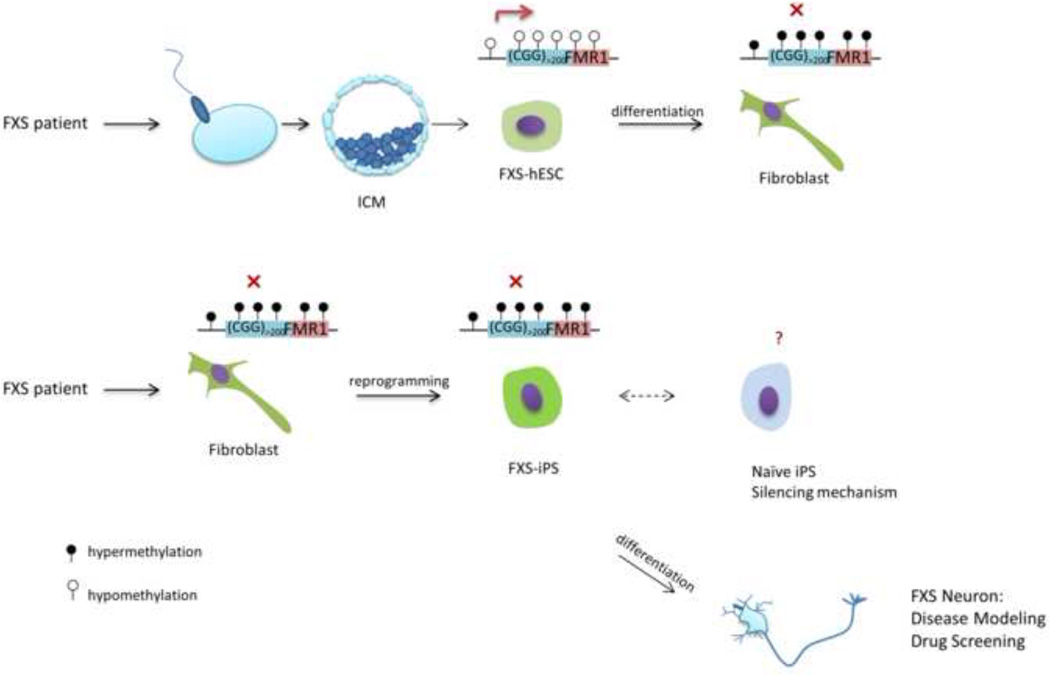
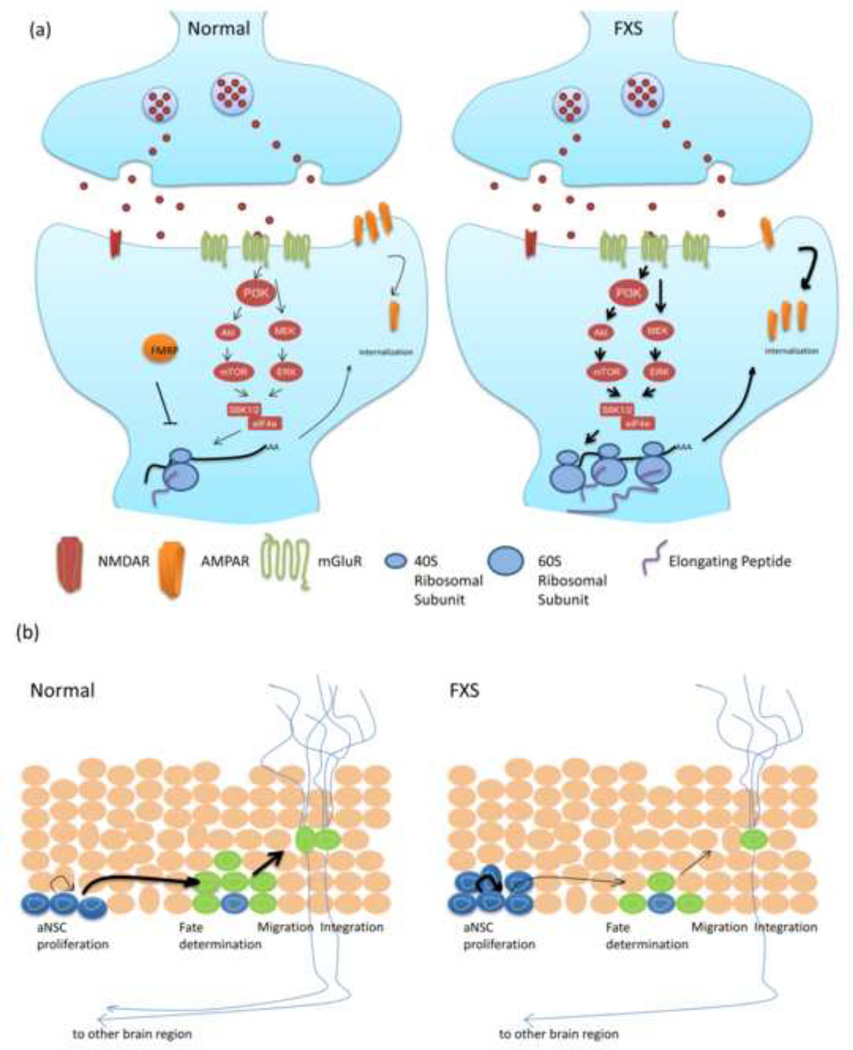
Fragile X syndrome (FXS) is a trinucleotide repeat disorder caused by a CGG repeat expansion in FMR1, and loss of its protein product FMRP. Recent studies have provided increased support for the role of FMRP in translational repression via ribosomal stalling and the microRNA pathway. In neurons, particular focus has been placed on identifying the signaling pathways such as PI3K and mTOR downstream of group 1 metabotropic glutamate receptors (mGluR1/5) that regulate FMRP. New evidence also suggests that loss of FMRP causes presynaptic dysfunction and abnormal adult neurogenesis. In addition, studies on FXS stem cells especially induced pluripotent stem (iPS) cells and new sequencing efforts hold out promise for deeper understanding of the silencing process and mutation spectrum of FMR1.
脆性 X 综合征(FXS)是一种三核苷酸重复紊乱,由 FMR1 中的 CGG 重复扩增引起,导致其蛋白产物 FMRP 缺失。最近的研究为 FMRP 通过核糖体停滞和 microRNA 途径抑制翻译的作用提供了更多支持。在神经元中,特别关注的是确定信号通路,如 PI3K 和 mTOR,它们是调节 FMRP 的第一组代谢型谷氨酸受体(mGluR1/5)的下游信号通路。新的证据还表明,FMRP 的缺失导致突触前功能障碍和异常的成年神经发生。此外,对 FXS 干细胞,特别是诱导多能干细胞(iPS)的研究以及新的测序工作,为更深入了解 FMR1 的沉默过程和突变谱提供了希望。