Department of Biosciences and Institute of Biotechnology, University of Helsinki, P.O. Box 56, FIN-00014 University of Helsinki, Finland.
Nucleic Acids Res. 2012 Jul;40(12):5523-34. doi: 10.1093/nar/gks215. Epub 2012 Mar 6.
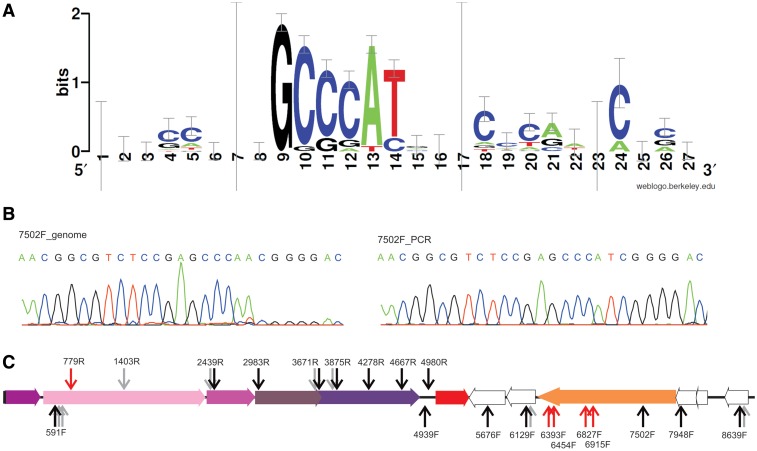
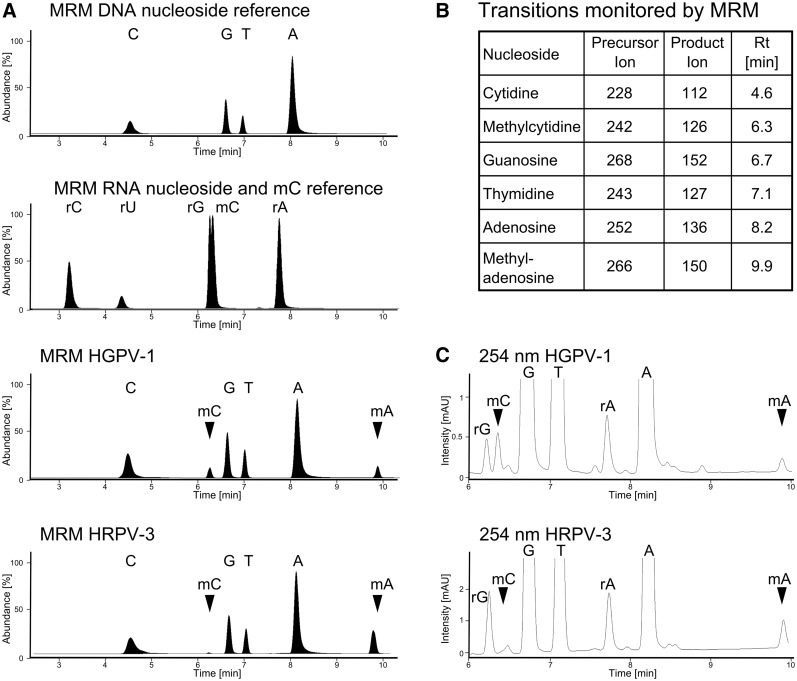
Archaeal viruses have been the subject of recent interest due to the diversity discovered in their virion architectures. Recently, a new group of haloarchaeal pleomorphic viruses has been discovered. It is distinctive in terms of the virion morphology and different genome types (ssDNA/dsDNA) harboured by rather closely related representatives. To date there are seven isolated viruses belonging to this group. Most of these share a cluster of five conserved genes, two of which encode major structural proteins. Putative proviruses and proviral remnants containing homologues of the conserved gene cluster were also identified suggesting a long-standing relationship of these viruses with their hosts. Comparative genomic analysis revealed three different ways of the genome organization, which possibly reflect different replication strategies employed by these viruses. The dsDNA genomes of two of these viruses were shown to contain single-strand interruptions. Further studies on one of the genomes suggested that the interruptions are located along the genome in a sequence-specific manner and exhibit polarity in distribution.
由于在其病毒粒子结构中发现了多样性,古菌病毒成为了近期的研究热点。最近,人们发现了一类新型的嗜盐古菌多形病毒。该病毒在病毒粒子形态和由亲缘关系密切的代表所携带的不同基因组类型(单链 DNA/双链 DNA)方面具有独特性。迄今为止,属于该组的已分离出七种病毒。其中大多数都具有一组五个保守基因,其中两个基因编码主要结构蛋白。还鉴定出了含有保守基因簇同源物的前病毒和前病毒残余物,这表明这些病毒与其宿主之间存在长期的关系。比较基因组分析揭示了三种不同的基因组组织方式,这可能反映了这些病毒采用的不同复制策略。其中两种病毒的双链 DNA 基因组显示出单链中断。对其中一个基因组的进一步研究表明,中断沿基因组以序列特异性的方式定位,并在分布上表现出极性。