Department of Dermatology, University of Duesseldorf, Medical Faculty, Moorenstrasse 5, D-40225 Duesseldorf, Germany.
Eur J Med Res. 2012 Feb 23;17(1):4. doi: 10.1186/2047-783X-17-4.
In recent years inhibitors directed against the epidermal growth factor receptor (EGFR) have evolved as effective targeting cancer drugs. Characteristic papulopustular exanthemas, often described as acneiform rashes, are the most frequent adverse effect associated with this class of novel cancer drugs and develop in > 90% of patients. Notably, the rash may significantly compromise the patients' quality of life, thereby potentially leading to incompliance as well as dose reduction or even termination of the anti-EGFR therapy. Yet, an effective dermatologic management of cutaneous adverse effects can be achieved. Whereas various case reports, case series or expert opinions on the management of EGFR-inhibitor (EGFRI) induced rashes have been published, data on systematic management studies are sparse.
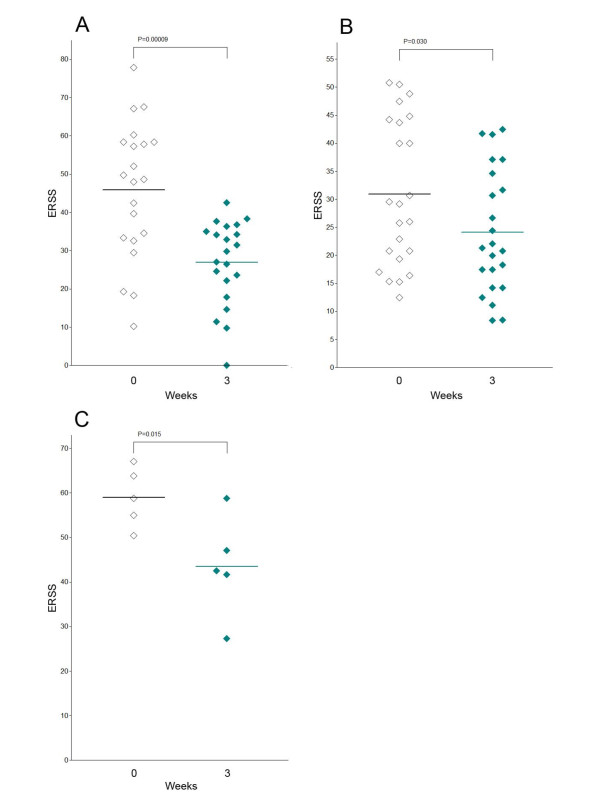
Here, we present a retrospective, uncontrolled, comparative study in 49 patients on three established regimens for the management of EGFRI-associated rashes.
Strikingly, patients' rash severity improved significantly over three weeks of treatment with topical mometason furoate cream, topical prednicarbate cream plus nadifloxacin cream, as well as topical prednicarbate cream plus nadifloxacin cream plus systemic isotretinoin.
In summary our results demonstrate that EGFRI-associated rashes can be effectively managed by specific dermatologic interventions. Whereas mild to moderate rashes should be treated with basic measures in combination with topical glucocorticosteroids or combined regiments using glucocorticosteroids and antiseptics/antibiotics, more severe or therapy-resistant rashes are likely to respond with the addition of systemic retinoids.
近年来,针对表皮生长因子受体(EGFR)的抑制剂已发展成为有效的靶向抗癌药物。特征性的丘疹脓疱性发疹,常被描述为痤疮样皮疹,是与这一类新型抗癌药物相关的最常见的不良反应,>90%的患者会出现这种皮疹。值得注意的是,皮疹会显著降低患者的生活质量,从而可能导致患者不遵守治疗方案、减少剂量甚至终止抗 EGFR 治疗。然而,有效的皮肤不良反应管理是可以实现的。虽然已经发表了各种关于 EGFR 抑制剂(EGFRI)诱导性皮疹的管理的个案报告、病例系列或专家意见,但关于系统管理研究的数据仍然很少。
在这里,我们在 49 名接受三种既定方案治疗 EGFRI 相关皮疹的患者中进行了回顾性、非对照、比较研究。
令人惊讶的是,在接受糠酸莫米松乳膏、丙酸氯倍他索乳膏加那氟沙星乳膏、以及丙酸氯倍他索乳膏加那氟沙星乳膏加全身异维 A 酸治疗的 3 周内,患者的皮疹严重程度显著改善。
总之,我们的结果表明,特定的皮肤科干预措施可以有效地管理 EGFRI 相关的皮疹。轻度至中度皮疹应采用基础治疗措施联合外用糖皮质激素或联合使用糖皮质激素和防腐剂/抗生素的联合方案进行治疗,而更严重或治疗抵抗的皮疹可能需要添加全身类视黄醇。