Sireeratawong Seewaboon, Vannasiri Supaporn, Nanna Urarat, Singhalak Tipaya, Jaijoy Kanjana
Division of Pharmacology, Department of Preclinical Science, Faculty of Medicine, Thammasat University, Pathumthani 12120, Thailand.
ISRN Pharmacol. 2012;2012:789651. doi: 10.5402/2012/789651. Epub 2012 Mar 20.
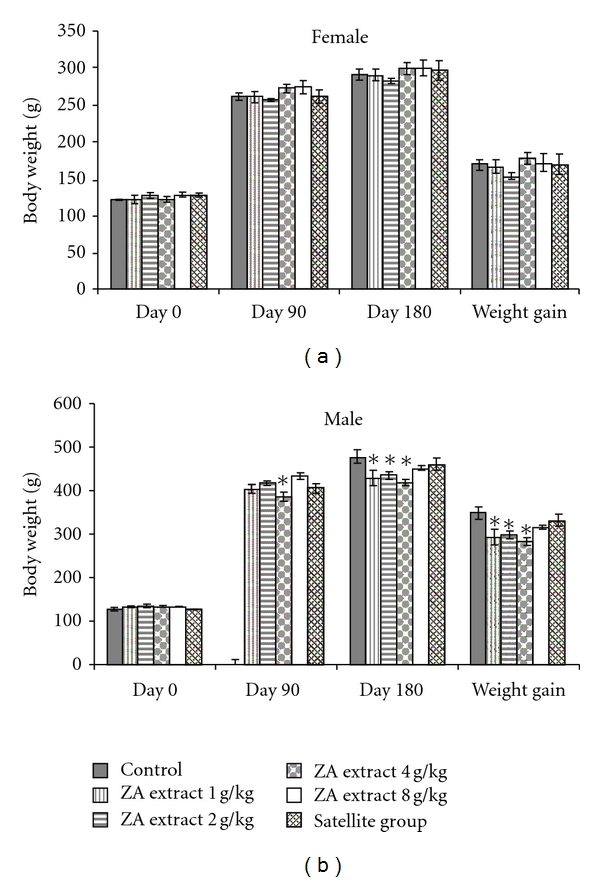
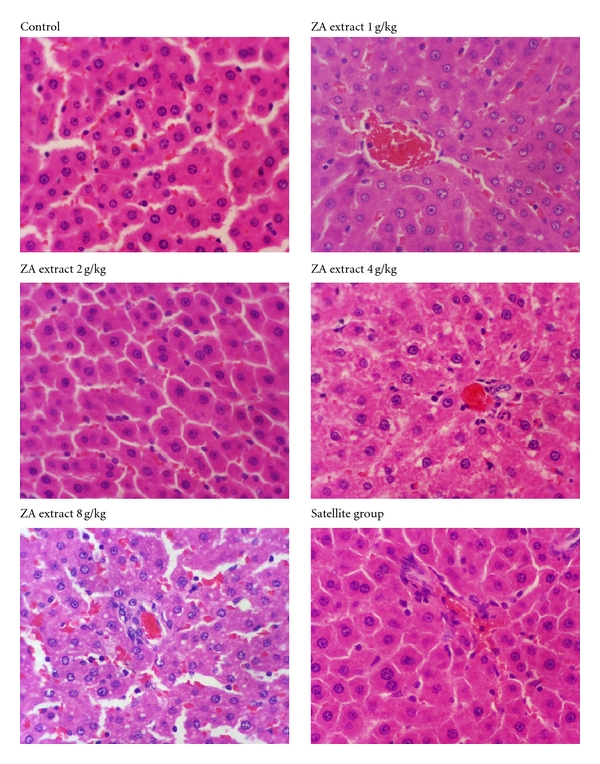
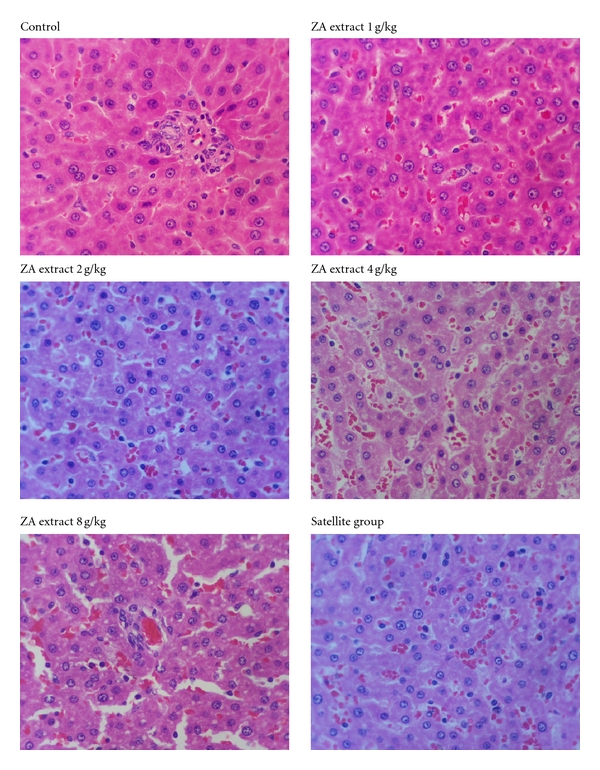
We studied an acute and chronic oral toxicity of the extract from Ziziphus attopensis (ZA) in male and female SD rats according to the OECD guidelines. After a single oral administration of ZA 5 g/kg body weight, measurement of the body and organs, necropsy, and health monitoring were performed. The body and organ weights and behavior were not changed relative to the control rats indicating that ZA does not produce acute toxicity. The chronic toxicity was determined by oral feeding both male and female rats daily with ZA at the doses of 1, 2, 4, and 8 g/kg body weight for 180 days. Body weight changes, hematological and biochemical parameters, organ weights, gross finding, and histopathology examination were monitored during the experimental period. The results did not show any differences from the control groups. Analyses of these results with the information of signs, behavior, and health monitoring can lead to a conclusion that the long-term oral administration of ZA for 180 days does not cause chronic toxicity.
我们根据经合组织指南,研究了顶果树提取物(ZA)对雄性和雌性SD大鼠的急性和慢性口服毒性。单次口服给予体重5 g/kg的ZA后,进行了体重和器官测量、尸检及健康监测。与对照大鼠相比,体重、器官重量和行为均未改变,表明ZA不会产生急性毒性。通过每天给雄性和雌性大鼠口服1、2、4和8 g/kg体重的ZA,持续180天来测定慢性毒性。在实验期间监测体重变化、血液学和生化参数、器官重量、大体观察结果及组织病理学检查。结果与对照组无任何差异。结合体征、行为和健康监测信息对这些结果进行分析,可以得出结论:ZA长期口服180天不会引起慢性毒性。