School of Pharmacy, University of Wisconsin-Madison, 53705, USA.
Acta Biomater. 2012 Jul;8(7):2504-16. doi: 10.1016/j.actbio.2012.03.049. Epub 2012 Apr 5.
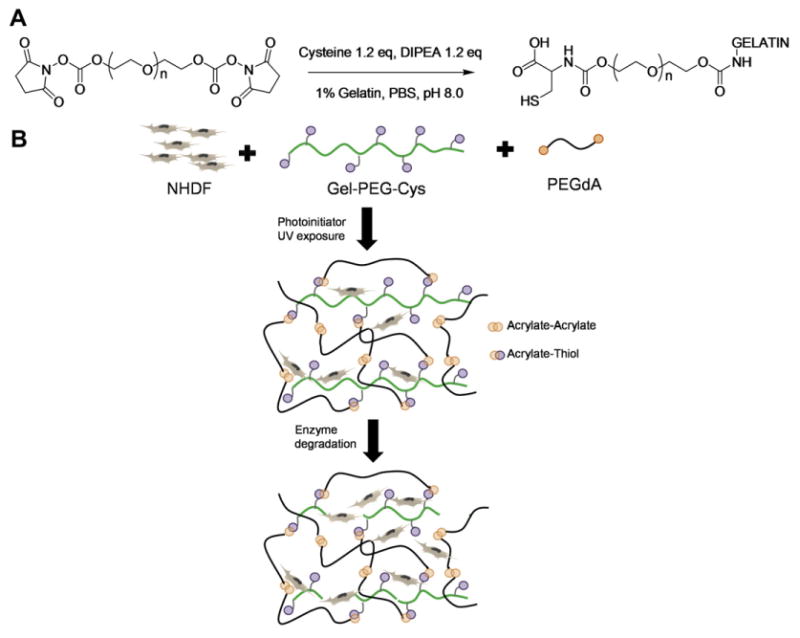
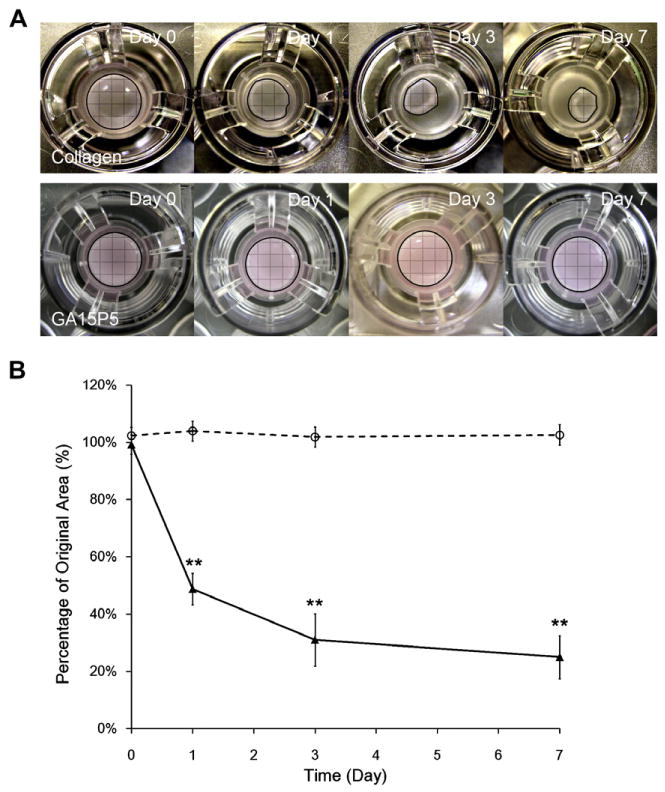
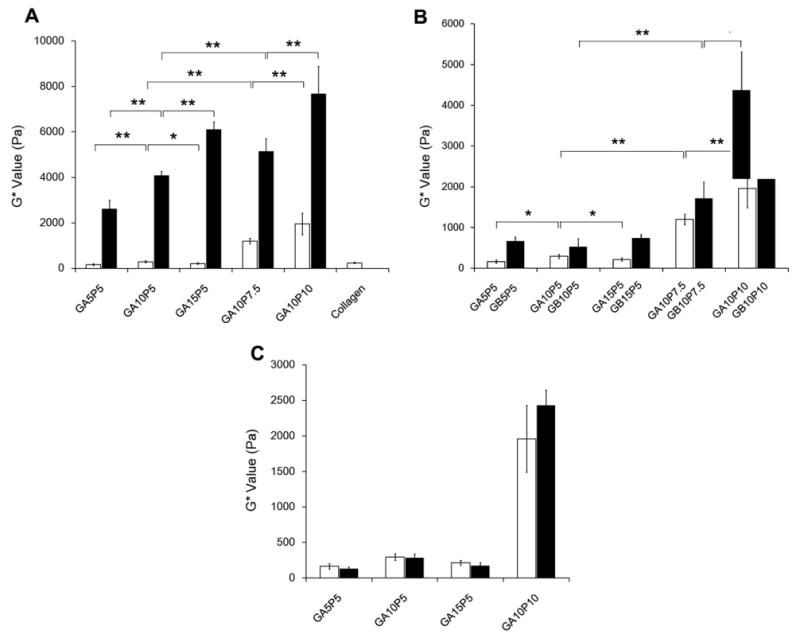
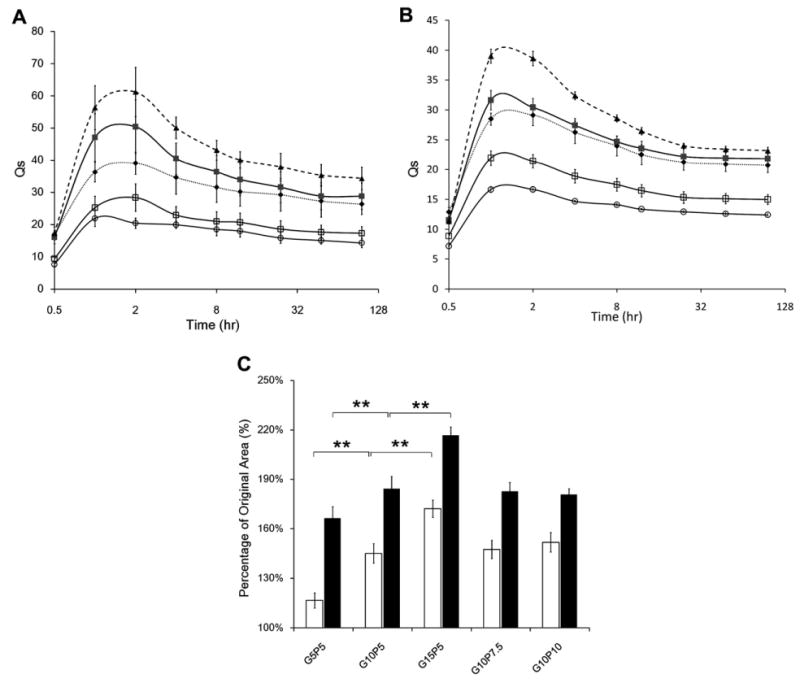
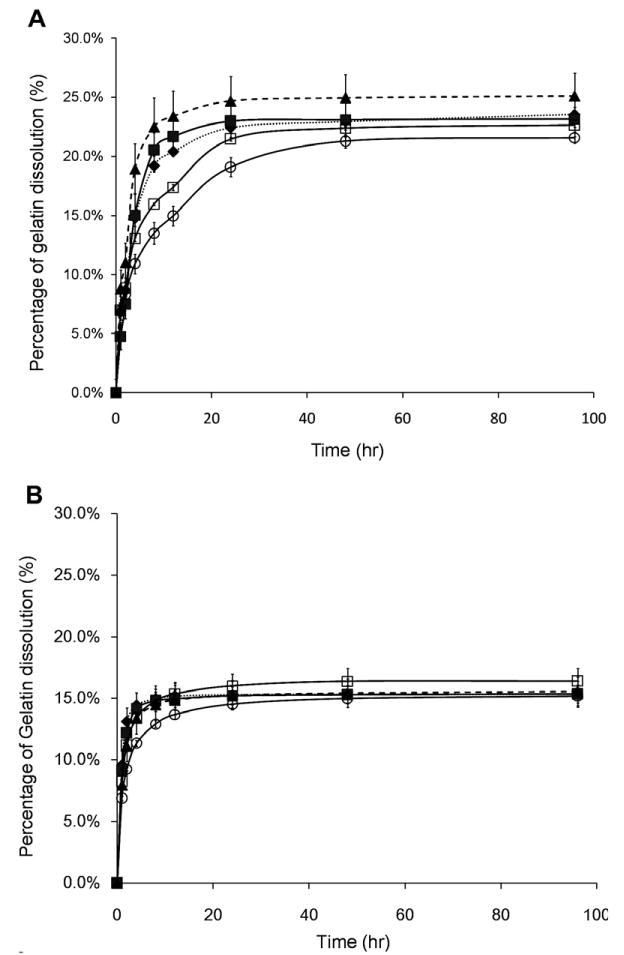
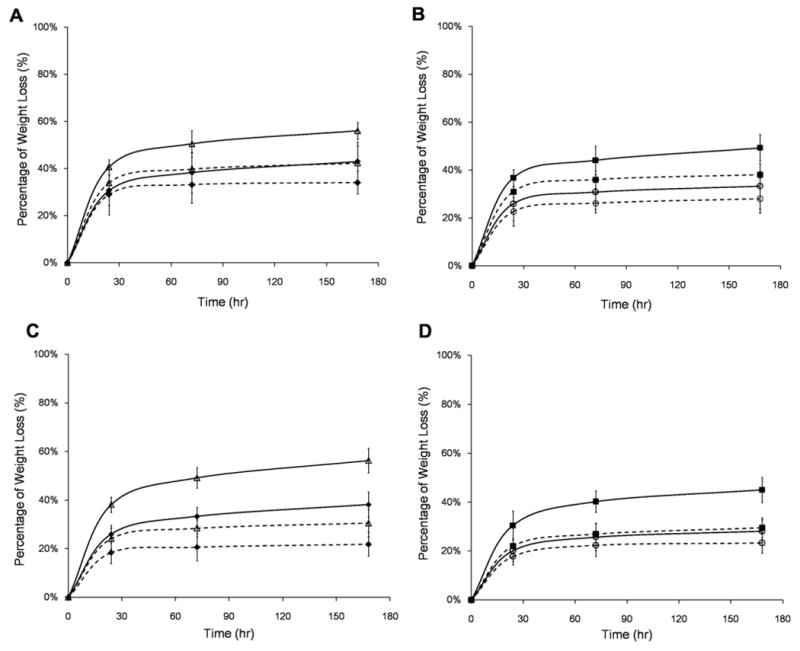
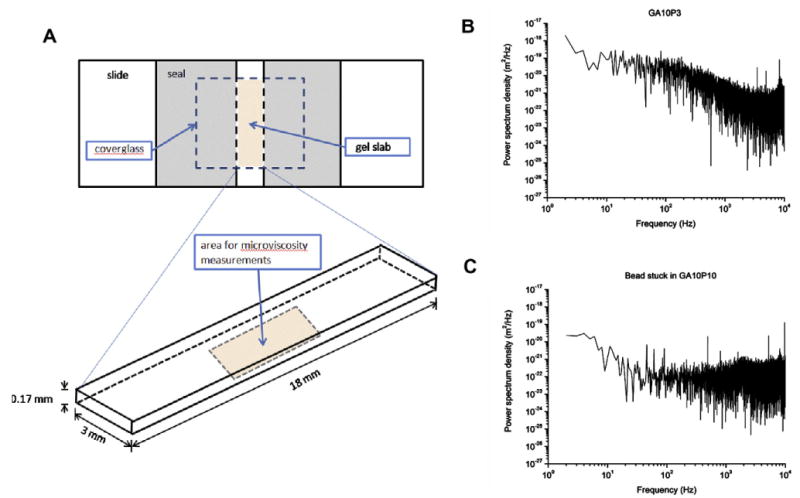
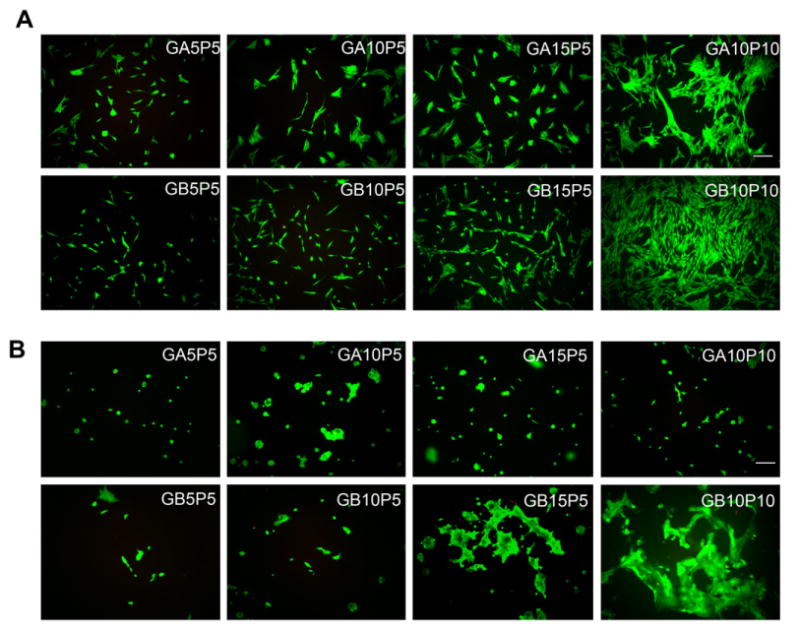
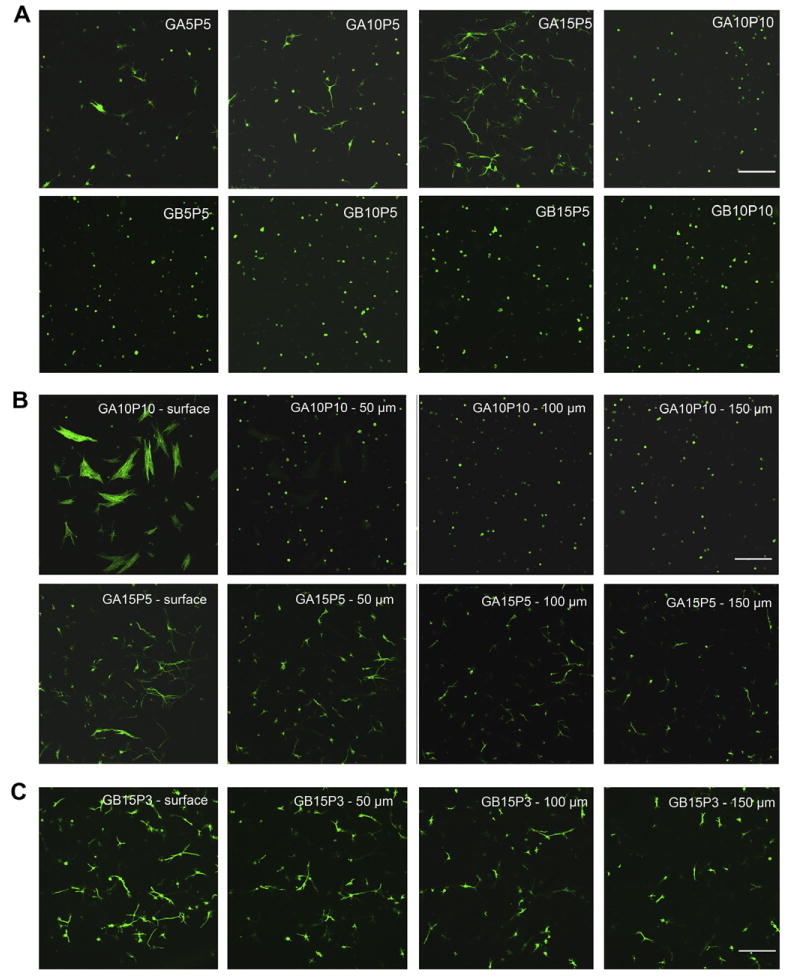
Although various cell encapsulation materials are available commercially for a wide range of potential therapeutic cells, their combined clinical impact remains inconsistent. Synthetic materials such as poly(ethylene glycol) (PEG) hydrogels are mechanically robust and have been extensively explored but lack natural biofunctionality. Naturally derived materials including collagen, fibrin and alginate-chitosan are often labile and mechanically weak. In this paper we report the development of a hybrid biomatrix based on the thiol-ene reaction of PEG diacrylate (PEGdA) and cysteine/PEG-modified gelatin (gel-PEG-Cys). We hypothesized that covalent crosslinking decreases gelatin dissolution thus increasing gelatin resident time within the matrix and the duration of its biofunctionality; at the same time the relative ratio of PEGdA to gel-PEG-Cys in the matrix formulation directly affects hydrogel bulk and local microenvironment properties. Bulk viscoelastic properties were highly dependent on PEGdA concentration and total water content, while gel-PEG-Cys concentration was more critical to swelling profiles. Microviscoelastic properties were related to polymer concentration. The covalently crosslinked gel-PEG-Cys with PEGdA decreased gelatin dissolution out of the matrix and collagenase-mediated degradation. Fibroblasts and keratinocyte increased adhesion density and formed intercellular connections on stiffer hydrogel surfaces, while cells exhibited more cytoplasmic spreading and proliferation when entrapped within softer hydrogels. Hence, this material system contains multiparametric factors that can easily be controlled to modulate the chemical, physical and biological properties of the biomatrix for soft tissue scaffolding and cell presentation to reconstruct lost tissue architecture and physical functionality.
尽管有各种商品化的细胞封装材料可供选择,适用于广泛的潜在治疗细胞,但它们的综合临床效果仍然不一致。合成材料如聚乙二醇(PEG)水凝胶具有机械强度,已被广泛探索,但缺乏天然的生物功能。天然衍生材料,包括胶原、纤维蛋白和藻酸盐-壳聚糖,往往不稳定且机械强度弱。在本文中,我们报告了一种基于 PEG 二丙烯酸酯(PEGdA)和半胱氨酸/PEG 修饰明胶(gel-PEG-Cys)的硫醇-烯反应的杂化生物基质的开发。我们假设,共价交联会降低明胶的溶解,从而增加明胶在基质中的驻留时间及其生物功能的持续时间;同时,基质配方中 PEGdA 与 gel-PEG-Cys 的相对比例直接影响水凝胶的整体和局部微观环境特性。整体粘弹性高度依赖于 PEGdA 浓度和总含水量,而 gel-PEG-Cys 浓度对溶胀曲线更为关键。微粘弹性与聚合物浓度有关。与 PEGdA 共价交联的 gel-PEG-Cys 降低了明胶从基质中的溶解和胶原酶介导的降解。成纤维细胞和角质形成细胞在较硬的水凝胶表面上增加了粘附密度并形成细胞间连接,而细胞在较软的水凝胶中被包埋时表现出更多的细胞质扩展和增殖。因此,这种材料系统包含多参数因素,可以轻松控制这些因素来调节生物基质的化学、物理和生物学特性,以用于软组织支架和细胞呈现,从而重建丢失的组织架构和物理功能。