G.W. Hooper Foundation and Department of Microbiology and Immunology, University of California, San Francisco, San Francisco, CA 94143, USA.
J Cell Biol. 2012 Jun 11;197(6):731-45. doi: 10.1083/jcb.201103071.
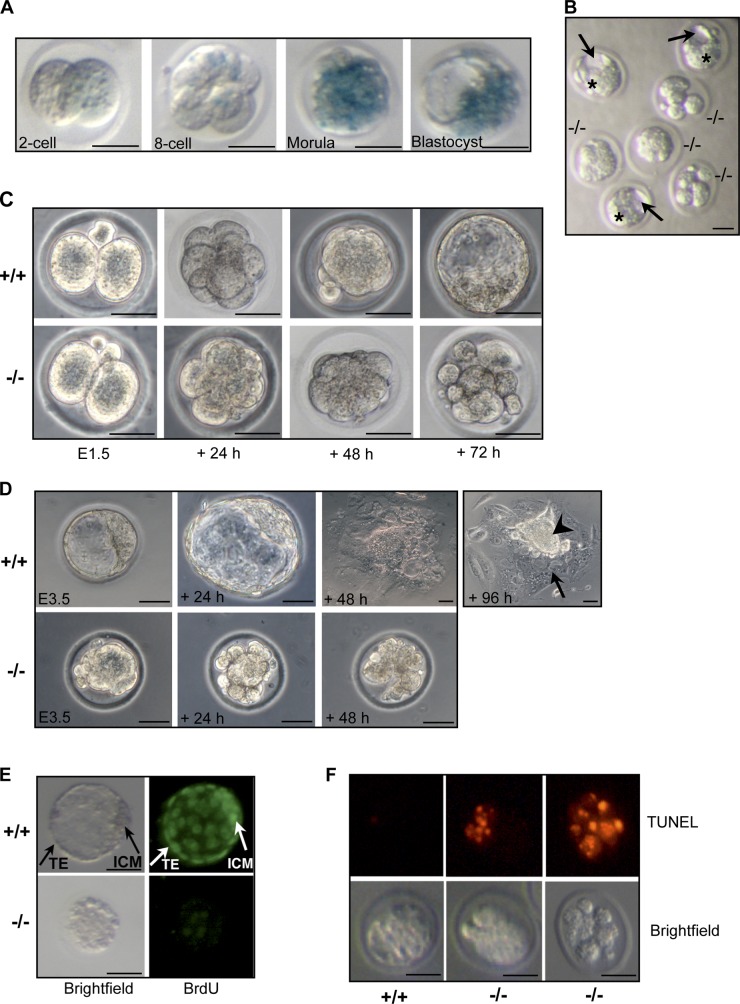
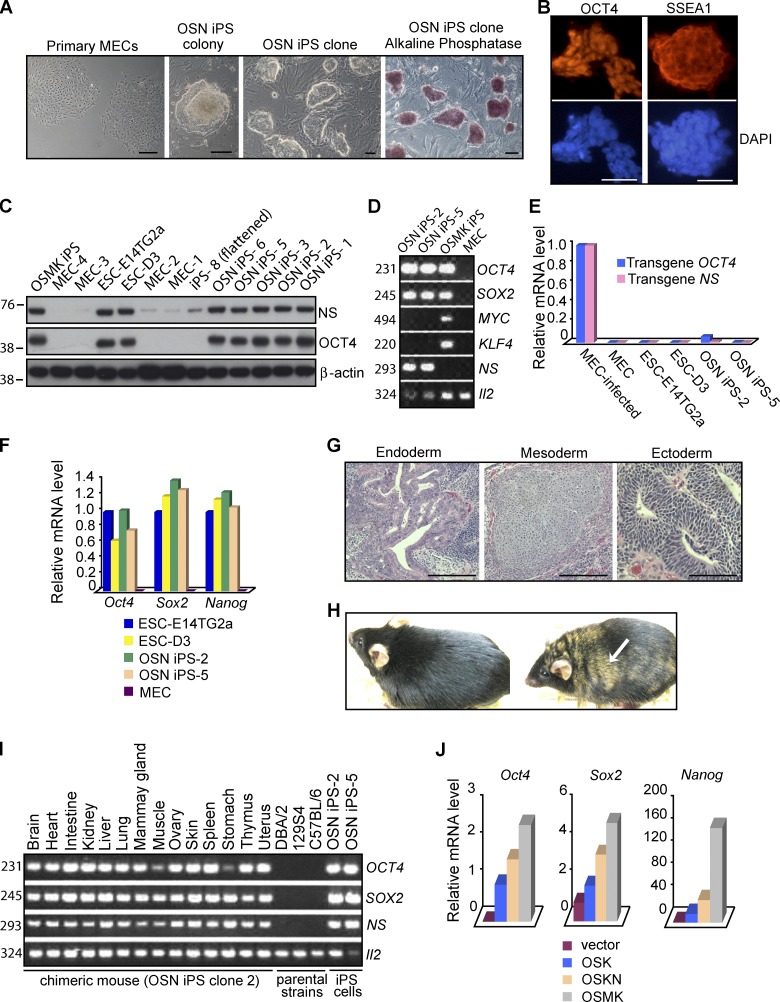
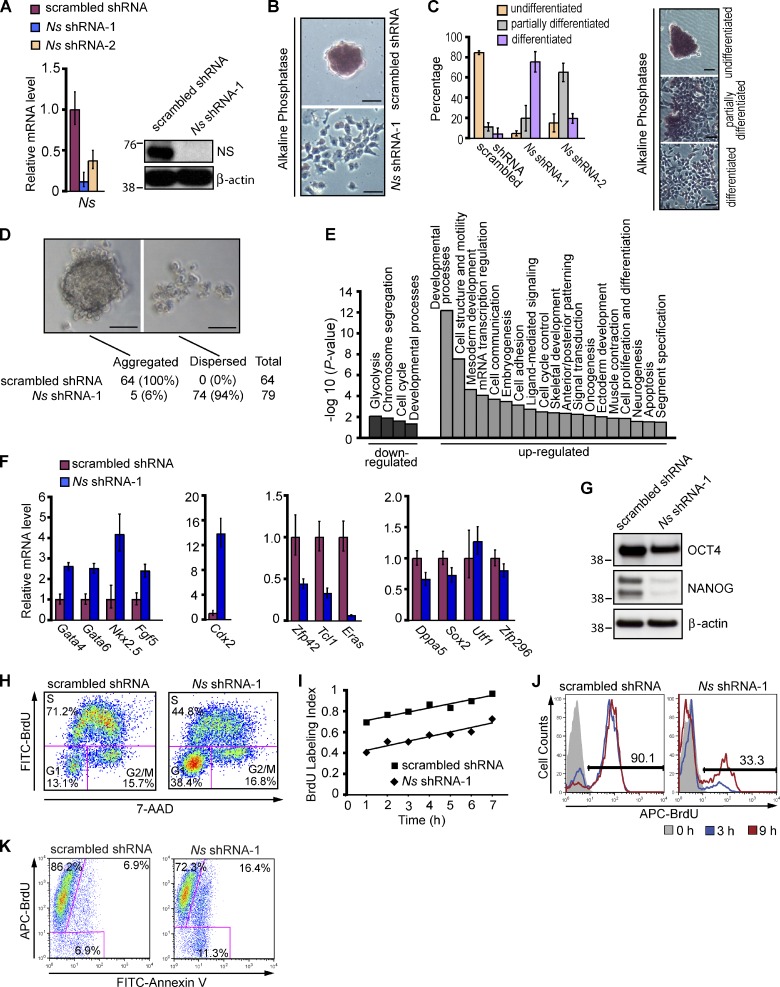
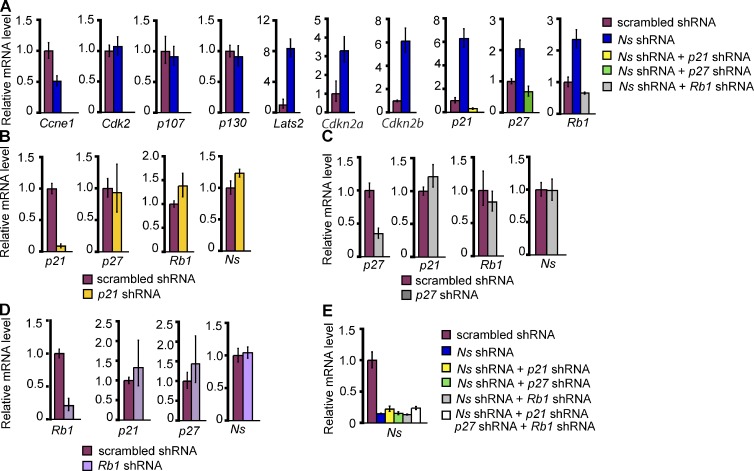
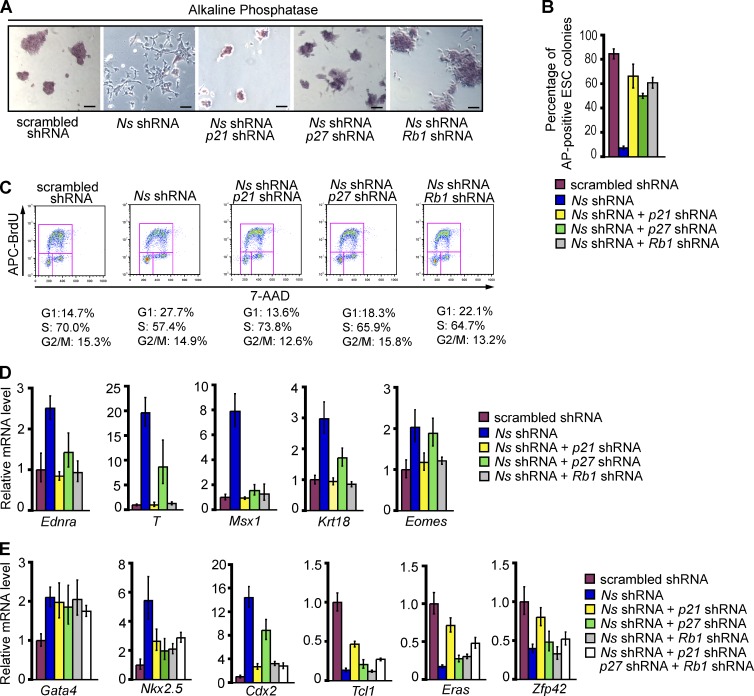
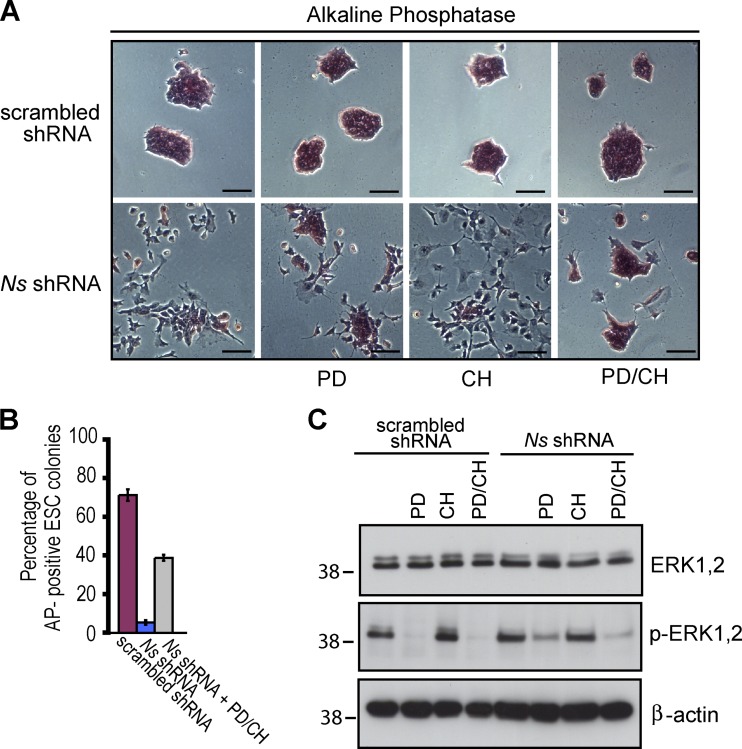
Nucleostemin (NS) is a nucleolar GTP-binding protein that was first identified in neural stem cells, the functions of which remain poorly understood. Here, we report that NS is required for mouse embryogenesis to reach blastulation, maintenance of embryonic stem cell (ESC) self-renewal, and mammary epithelial cell (MEC) reprogramming to induced pluripotent stem (iPS) cells. Ectopic NS also cooperates with OCT4 and SOX2 to reprogram MECs and mouse embryonic fibroblasts to iPS cells. NS promotes ESC self-renewal by sustaining rapid transit through the G1 phase of the cell cycle. Depletion of NS in ESCs retards transit through G1 and induces gene expression changes and morphological differentiation through a mechanism that involves the MEK/ERK protein kinases and that is active only during a protracted G1. Suppression of cell cycle inhibitors mitigates these effects. Our results implicate NS in the maintenance of ESC self-renewal, demonstrate the importance of rapid transit through G1 for this process, and expand the known classes of reprogramming factors.
核干细胞蛋白(NS)是一种核仁 GTP 结合蛋白,最初在神经干细胞中被发现,但其功能仍知之甚少。在这里,我们报告 NS 对于小鼠胚胎发育到达囊胚期、维持胚胎干细胞(ESC)自我更新以及乳腺上皮细胞(MEC)重编程为诱导多能干细胞(iPS)细胞是必需的。异位 NS 还与 OCT4 和 SOX2 合作,将 MEC 和小鼠胚胎成纤维细胞重编程为 iPS 细胞。NS 通过维持细胞周期 G1 期的快速转运来促进 ESC 的自我更新。在 ESC 中耗尽 NS 会减缓 G1 期的转运,并通过一种仅在延长的 G1 期内活跃的 MEK/ERK 蛋白激酶机制诱导基因表达变化和形态分化。细胞周期抑制剂的抑制减轻了这些影响。我们的结果表明 NS 参与维持 ESC 的自我更新,证明了快速通过 G1 期对于这个过程的重要性,并扩展了已知的重编程因子类别。