Anaesthesiology, Intensive Care and Pain Medicine, Department of Health Sciences, University of L'Aquila, L'Aquila, Italy.
Scand J Trauma Resusc Emerg Med. 2012 Jun 29;20:43. doi: 10.1186/1757-7241-20-43.
On 6 April 2009, at 03:32 local time, an Mw 6.3 earthquake hit the Abruzzi region of central Italy causing widespread damage in the City of L Aquila and its nearby villages. The earthquake caused 308 casualties and over 1,500 injuries, displaced more than 25,000 people and induced significant damage to more than 10,000 buildings in the L'Aquila region.
This observational retrospective study evaluated the prevalence and drug treatment of pain in the five weeks following the L'Aquila earthquake (April 6, 2009).
958 triage documents were analysed for patients pain severity, pain type, and treatment efficacy.
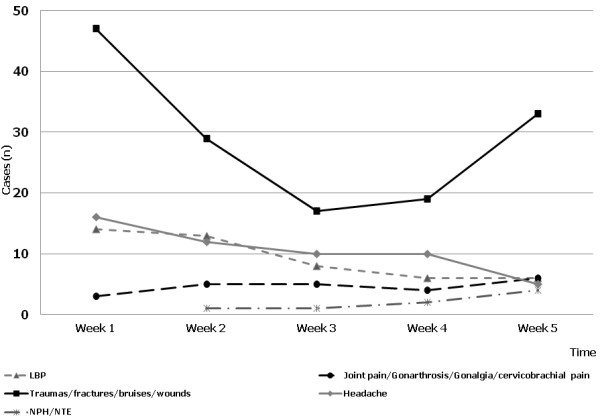
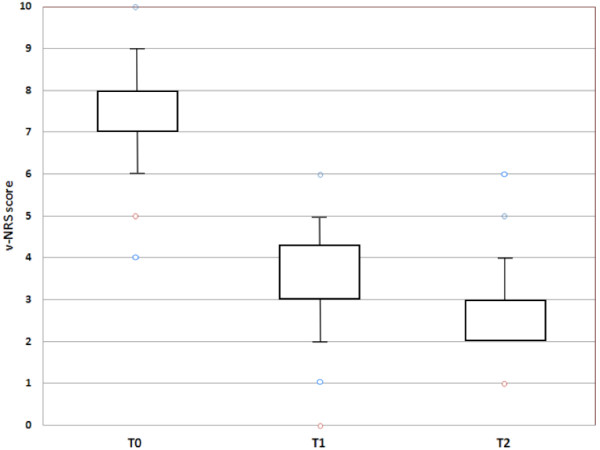
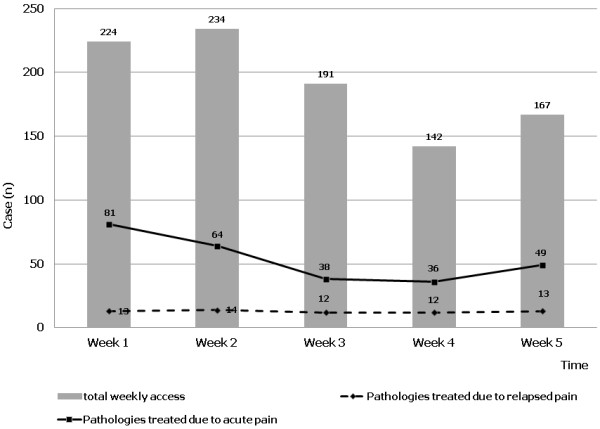
A third of pain patients reported pain with a prevalence of 34.6%. More than half of pain patients reported severe pain (58.8%). Analgesic agents were limited to available drugs: anti-inflammatory agents, paracetamol, and weak opioids. Reduction in verbal numerical pain scores within the first 24 hours after treatment was achieved with the medications at hand. Pain prevalence and characterization exhibited a biphasic pattern with acute pain syndromes owing to trauma occurring in the first 15 days after the earthquake; traumatic pain then decreased and re-surged at around week five, owing to rebuilding efforts. In the second through fourth week, reports of pain occurred mainly owing to relapses of chronic conditions.
This study indicates that pain is prevalent during natural disasters, may exhibit a discernible pattern over the weeks following the event, and current drug treatments in this region may be adequate for emergency situations.
2009 年 4 月 6 日当地时间 03:32,一场 6.3 级地震袭击了意大利中部的阿布鲁佐地区,造成拉奎拉市及其附近村庄的广泛破坏。地震造成 308 人死亡,1500 多人受伤,超过 25000 人流离失所,拉奎拉地区有超过 10000 座建筑受到重大破坏。
本观察性回顾性研究评估了拉奎拉地震(2009 年 4 月 6 日)后五周内疼痛的患病率和药物治疗情况。
对 958 份分诊文件进行分析,以评估患者的疼痛严重程度、疼痛类型和治疗效果。
三分之一的疼痛患者报告有疼痛,患病率为 34.6%。超过一半的疼痛患者报告有严重疼痛(58.8%)。镇痛药仅限于现有药物:抗炎药、对乙酰氨基酚和弱阿片类药物。在治疗后 24 小时内,手头的药物可使口头数字疼痛评分降低。疼痛的患病率和特征表现出双峰模式,地震后前 15 天发生创伤引起的急性疼痛综合征;创伤性疼痛随后减少,并在大约第五周因重建工作而再次出现。在第二至第四周,疼痛报告主要是由于慢性疾病的复发。
本研究表明,疼痛在自然灾害中很常见,可能在事件发生后的几周内表现出明显的模式,并且该地区目前的药物治疗可能足以应对紧急情况。