Department of Biomedical Engineering, Jinan University, Guangzhou 510632, China.
Oxid Med Cell Longev. 2012;2012:740280. doi: 10.1155/2012/740280. Epub 2012 Jun 14.
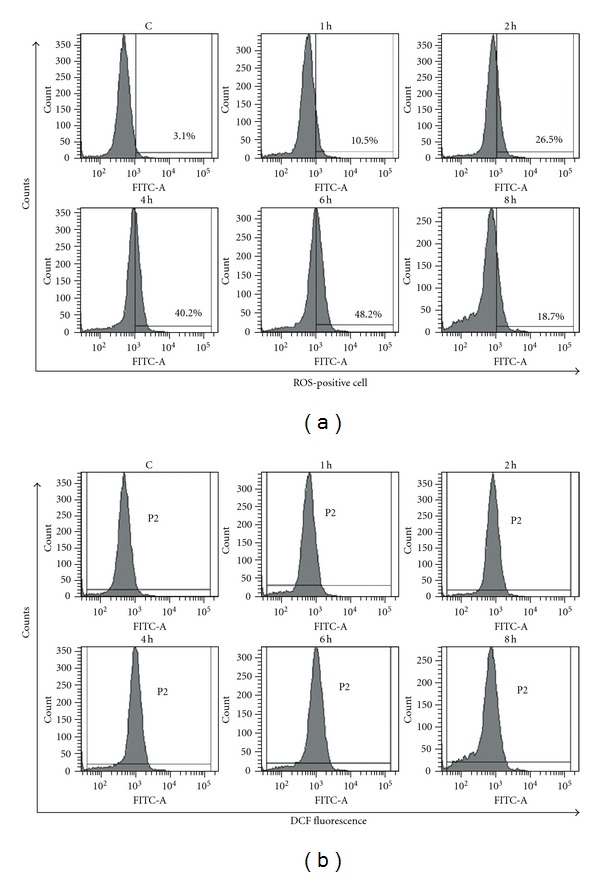
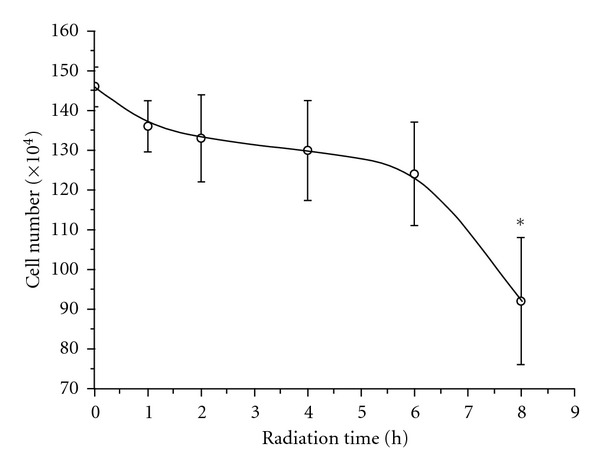
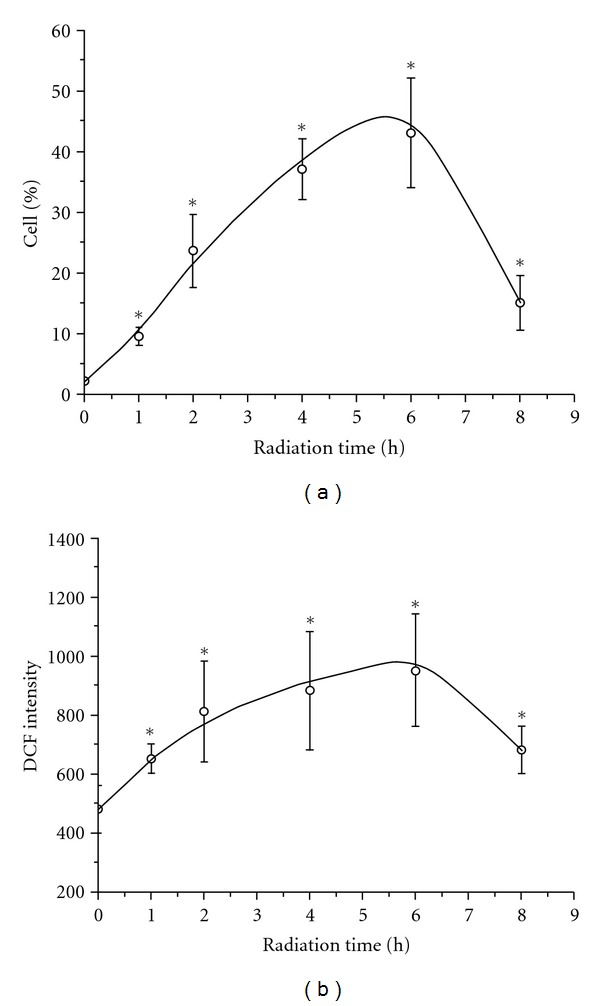
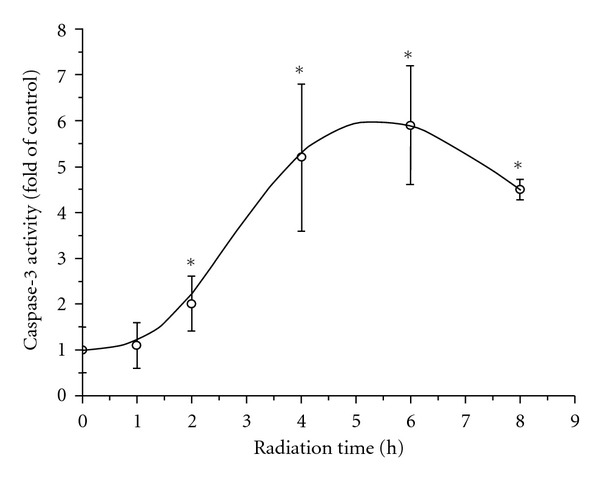
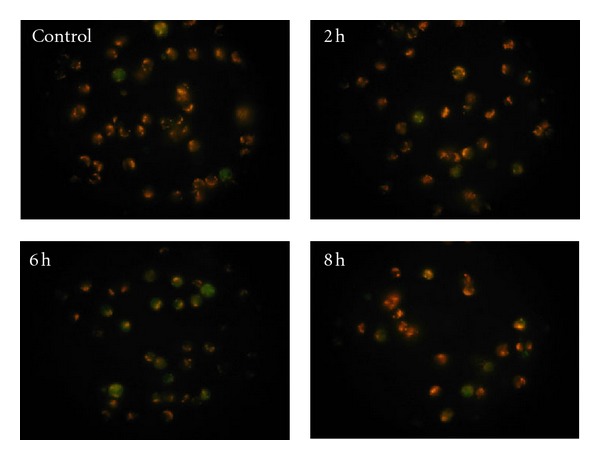
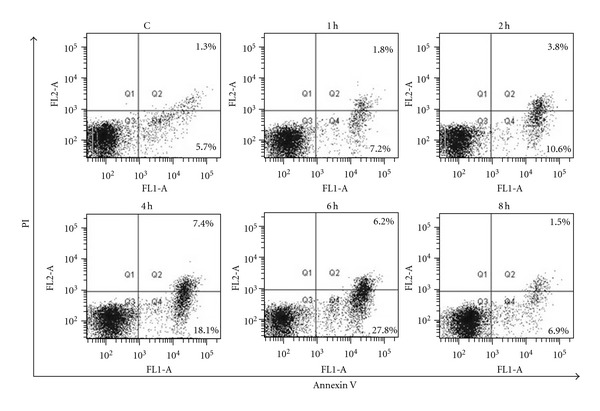
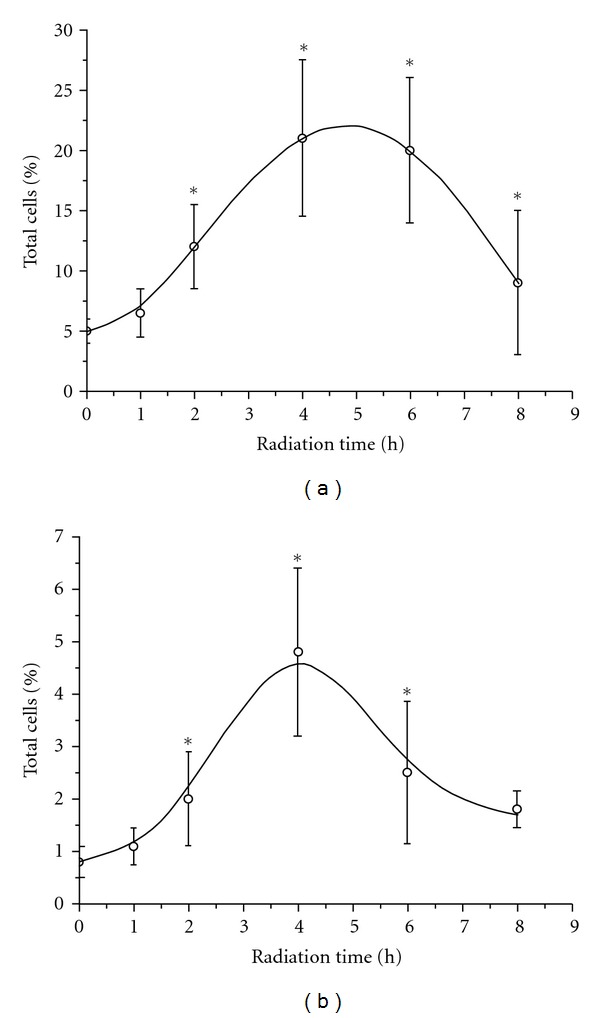
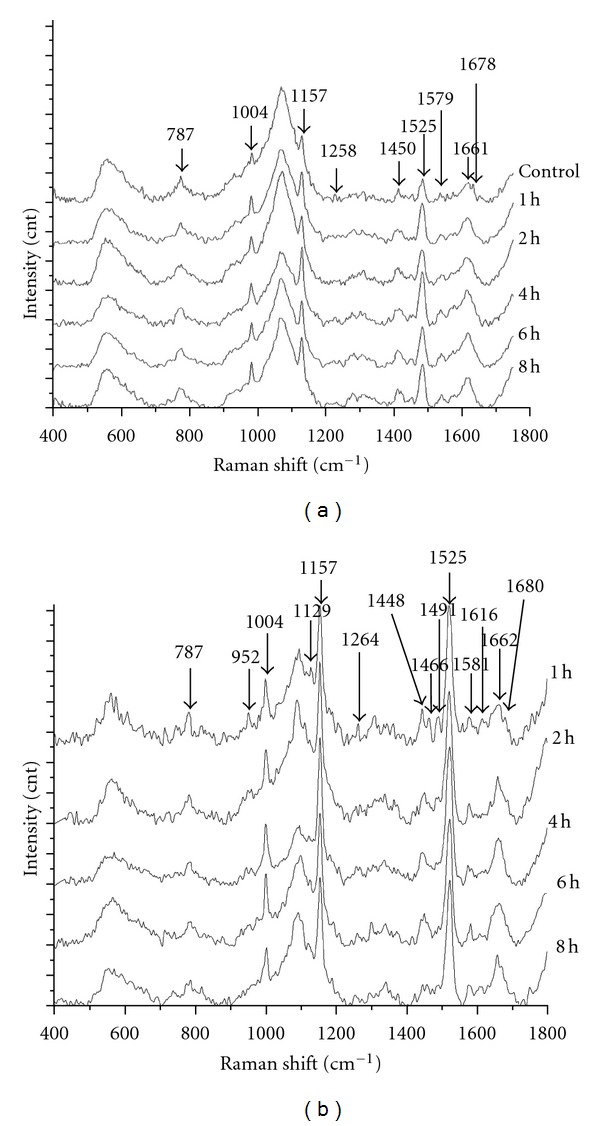
We demonstrate that reactive oxygen species (ROS) plays an important role in the process of apoptosis in human peripheral blood mononuclear cell (PBMC) which is induced by the radiation of 900 MHz radiofrequency electromagnetic field (RFEMF) at a specific absorption rate (SAR) of ~0.4 W/kg when the exposure lasts longer than two hours. The apoptosis is induced through the mitochondrial pathway and mediated by activating ROS and caspase-3, and decreasing the mitochondrial potential. The activation of ROS is triggered by the conformation disturbance of lipids, protein, and DNA induced by the exposure of GSM RFEMF. Although human PBMC was found to have a self-protection mechanism of releasing carotenoid in response to oxidative stress to lessen the further increase of ROS, the imbalance between the antioxidant defenses and ROS formation still results in an increase of cell death with the exposure time and can cause about 37% human PBMC death in eight hours.
我们证明,活性氧(ROS)在人外周血单个核细胞(PBMC)凋亡过程中起重要作用,这种凋亡由 900MHz 射频电磁辐射(RFEMF)以特定吸收率(SAR)~0.4W/kg 辐射超过两小时引起。凋亡通过线粒体途径诱导,并通过激活 ROS 和 caspase-3,降低线粒体膜电位来介导。ROS 的激活是由 GSM RFEMF 暴露引起的脂质、蛋白质和 DNA 的构象紊乱触发的。尽管人类 PBMC 被发现具有通过释放类胡萝卜素来应对氧化应激的自我保护机制,以减少 ROS 的进一步增加,但抗氧化防御和 ROS 形成之间的失衡仍导致细胞死亡随暴露时间增加,并且在八小时内可导致约 37%的人类 PBMC 死亡。