Department of Nutrition and Program in International and Community Nutrition, University of California, Davis, Davis, CA, USA.
Adv Nutr. 2012 Jul 1;3(4):555-9. doi: 10.3945/an.111.001131.
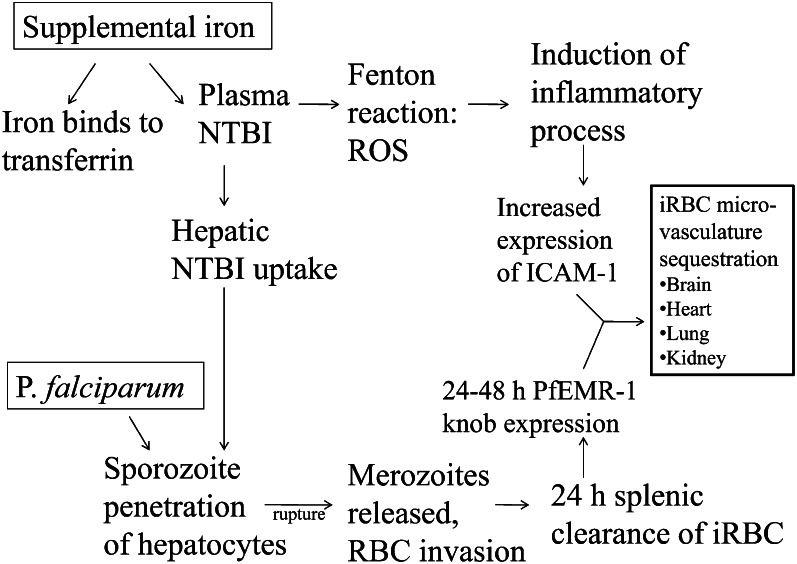
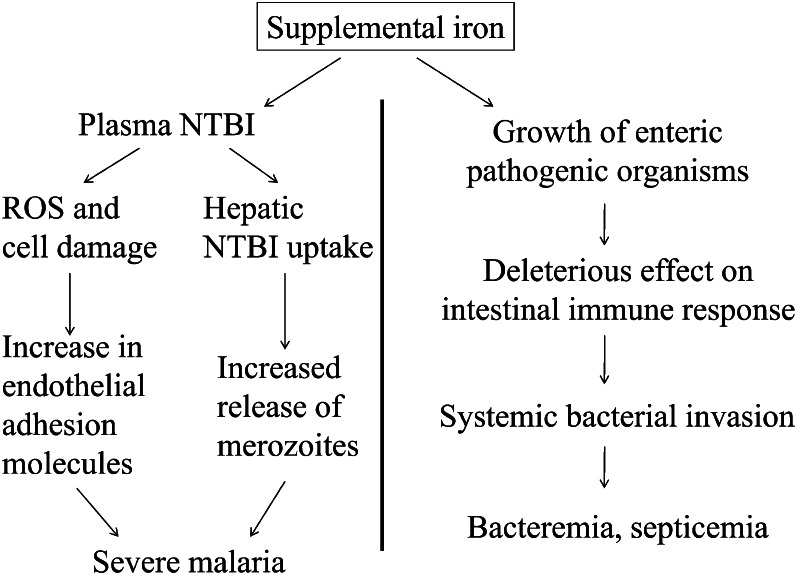
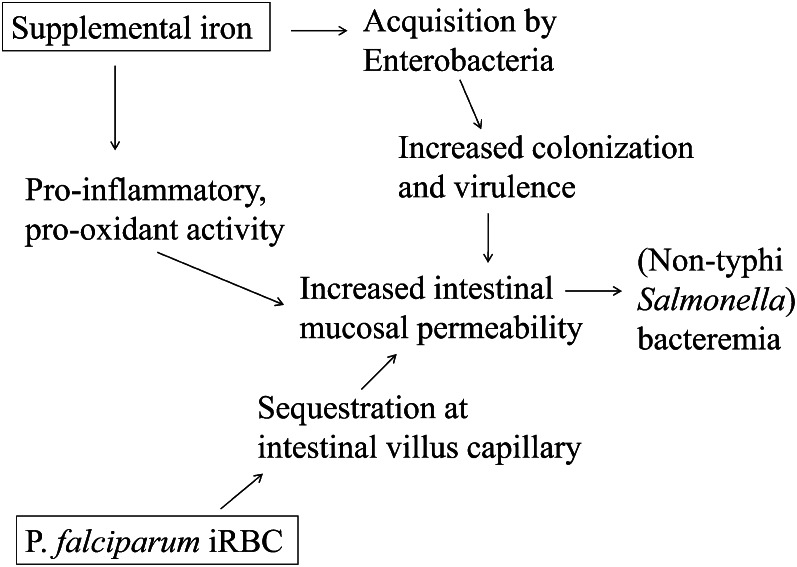
Home fortification of complementary foods with iron and other micronutrients is a low-cost strategy for filling nutrient gaps in the diets of infants and young children, but there has been uncertainty about the safety of universal provision of iron via home fortification in malaria-endemic areas. Based on the current understanding of the potential mechanisms of adverse effects of iron, the risk can probably be minimized by using the lowest possible efficacious dose of iron, preferably delivered in small amounts throughout the day with food, to minimize spikes in plasma nontransferrin-bound iron and large amounts of unabsorbed iron in the gastrointestinal tract. Results from 6 home fortification studies in malaria-endemic areas showed no increased risk of morbidity (including malaria), but these studies were not powered to rule out a modest increase in the risk of severe adverse events. At present, the safest option is to implement home fortification in the context of comprehensive malaria control strategies, as recommended in recent WHO guidelines.
家庭强化辅食中的铁和其他微量营养素是一种填补婴幼儿饮食中营养缺口的低成本策略,但在疟疾流行地区普遍通过家庭强化来提供铁的安全性一直存在不确定性。基于目前对铁的不良反应潜在机制的理解,可以通过使用尽可能低的有效剂量的铁来最大限度地降低风险,最好是在一天中与食物一起少量多次给予,以最大限度地减少血浆中非转铁蛋白结合铁和胃肠道中大量未被吸收的铁的峰值。来自 6 项疟疾流行地区家庭强化研究的结果显示,发病率(包括疟疾)没有增加的风险,但这些研究没有足够的能力排除严重不良事件风险略有增加的可能性。目前,在综合疟疾控制策略的背景下实施家庭强化,是世卫组织最近的指南所推荐的最安全的选择。