Blizard Institute of Cell and Molecular Science, Queen Mary University, London, United Kingdom.
PLoS One. 2012;7(7):e40022. doi: 10.1371/journal.pone.0040022. Epub 2012 Jul 10.
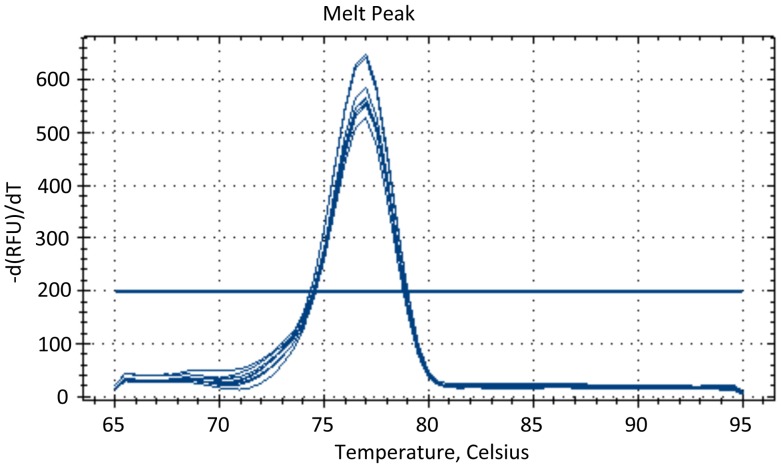
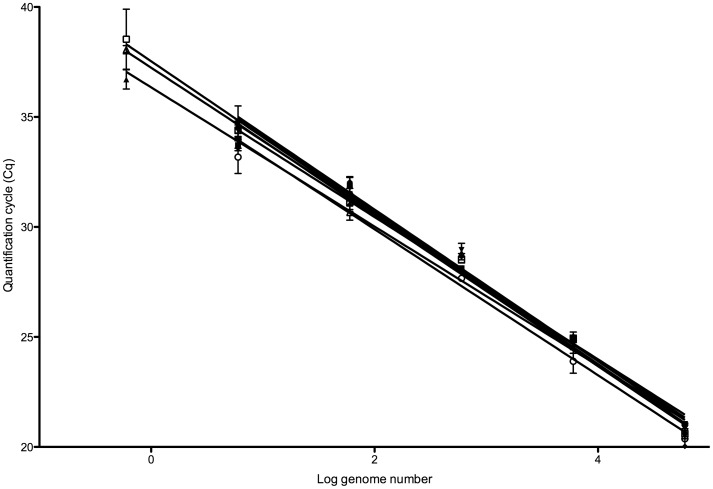
The polymerase chain reaction (PCR) is widely used as a diagnostic tool in clinical laboratories and is particularly effective for detecting and identifying infectious agents for which routine culture and microscopy methods are inadequate. Invasive fungal disease (IFD) is a major cause of morbidity and mortality in immunosuppressed patients, and optimal diagnostic criteria are contentious. Although PCR-based methods have long been used for the diagnosis of invasive aspergillosis (IA), variable performance in clinical practice has limited their value. This shortcoming is a consequence of differing sample selection, collection and preparation protocols coupled with a lack of standardisation of the PCR itself. Furthermore, it has become clear that the performance of PCR-based assays in general is compromised by the inadequacy of experimental controls, insufficient optimisation of assay performance as well as lack of transparency in reporting experimental details. The recently published "Minimum Information for the publication of real-time Quantitative PCR Experiments" (MIQE) guidelines provide a blueprint for good PCR assay design and unambiguous reporting of experimental detail and results. We report the first real-time quantitative PCR (qPCR) assay targeting Aspergillus species that has been designed, optimised and validated in strict compliance with the MIQE guidelines. The hydrolysis probe-based assay, designed to target the 18S rRNA DNA sequence of Aspergillus species, has an efficiency of 100% (range 95-107%), a dynamic range of at least six orders of magnitude and limits of quantification and detection of 6 and 0.6 Aspergillus fumigatus genomes, respectively. It does not amplify Candida, Scedosporium, Fusarium or Rhizopus species and its clinical sensitivity is demonstrated in histological material from proven IA cases, as well as concordant PCR and galactomannan data in matched broncho-alveolar lavage and blood samples. The robustness, specificity and sensitivity of this assay make it an ideal molecular diagnostic tool for clinical use.
聚合酶链反应(PCR)广泛用作临床实验室的诊断工具,特别适用于检测和鉴定常规培养和显微镜方法不足的感染因子。侵袭性真菌病(IFD)是免疫抑制患者发病率和死亡率的主要原因,而最佳诊断标准存在争议。尽管基于 PCR 的方法长期以来一直用于侵袭性曲霉菌病(IA)的诊断,但在临床实践中的性能差异限制了它们的价值。这一缺陷是由于样本选择、采集和准备方案的不同,以及 PCR 本身缺乏标准化所致。此外,人们已经清楚地认识到,一般来说,基于 PCR 的检测方法的性能受到实验对照不足、检测性能优化不足以及缺乏实验细节报告透明度的影响。最近发布的“实时定量 PCR 实验报告的最低信息要求”(MIQE)指南为良好的 PCR 检测设计和实验细节和结果的明确报告提供了蓝图。我们报告了第一个符合 MIQE 指南严格要求设计、优化和验证的针对曲霉属物种的实时定量 PCR(qPCR)检测方法。该基于水解探针的检测方法旨在针对曲霉属物种的 18S rRNA DNA 序列,其效率为 100%(范围为 95-107%),动态范围至少为六个数量级,定量和检测限分别为 6 和 0.6 个烟曲霉基因组。它不扩增念珠菌、鞘孢菌、镰刀菌或根霉属物种,并且在已证实的 IA 病例的组织学材料中以及在匹配的支气管肺泡灌洗液和血液样本中的 PCR 和半乳甘露聚糖数据中,均显示出其临床敏感性。该检测方法的稳健性、特异性和敏感性使其成为临床应用的理想分子诊断工具。