Department of Medical Microbiology, University of Manitoba, Winnipeg, Canada.
PLoS One. 2012;7(7):e41217. doi: 10.1371/journal.pone.0041217. Epub 2012 Jul 23.
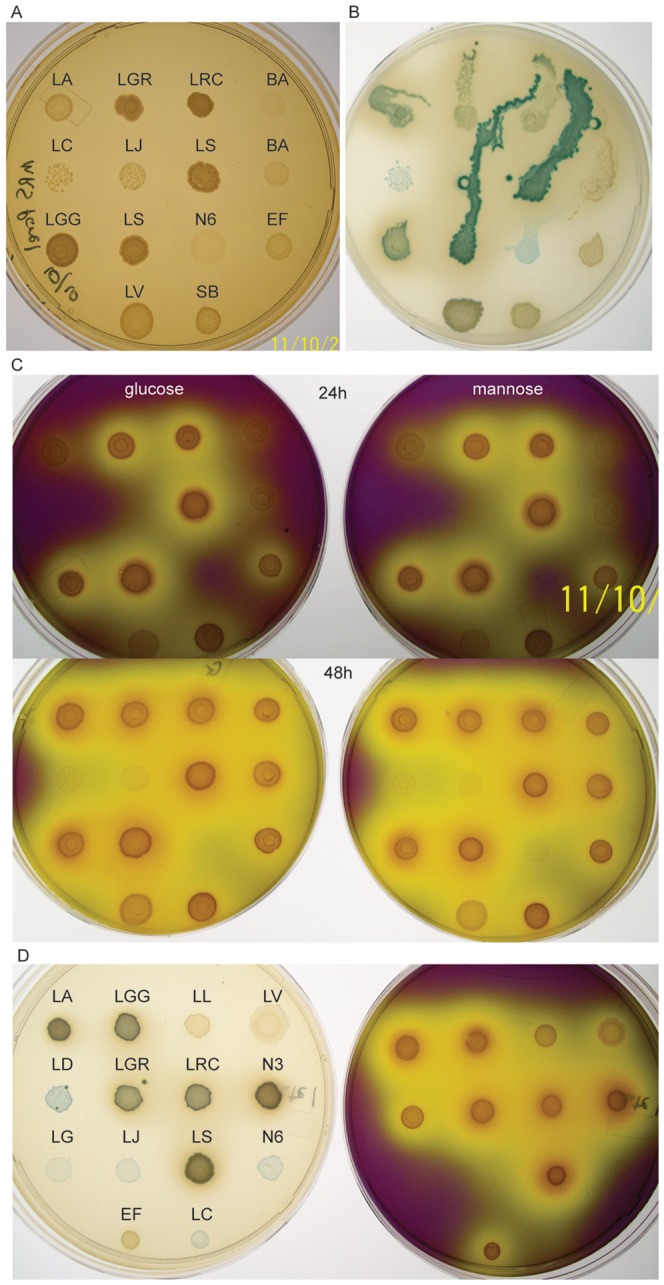
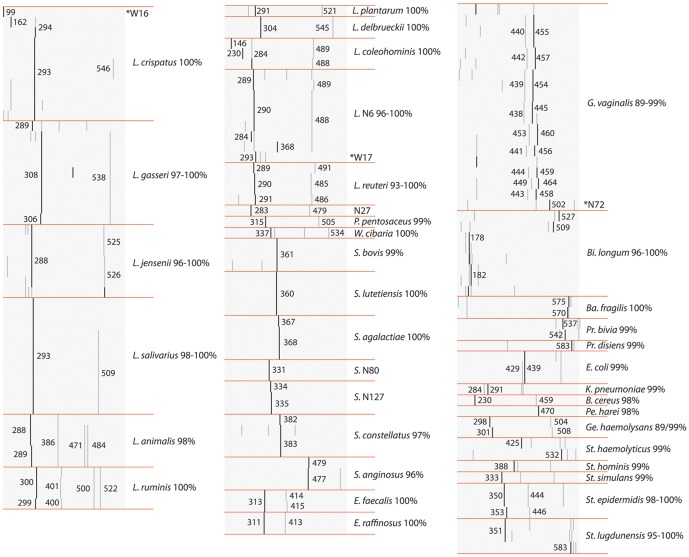
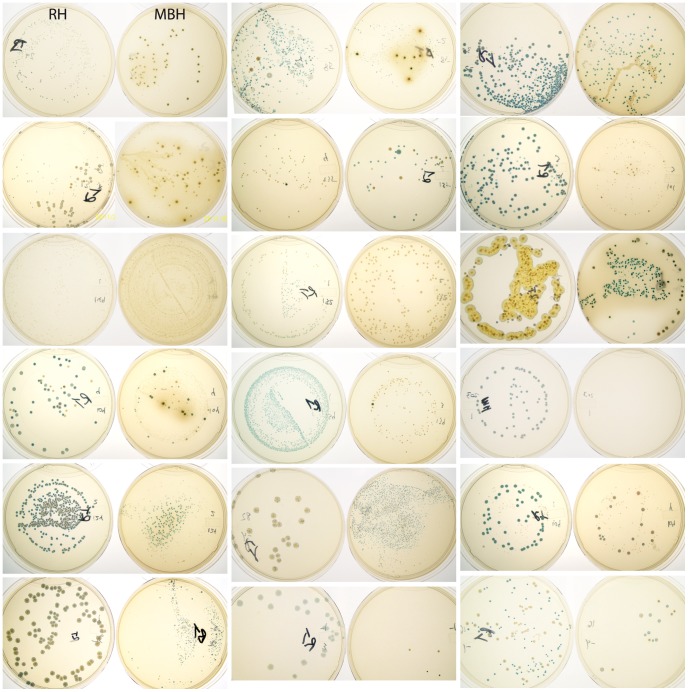
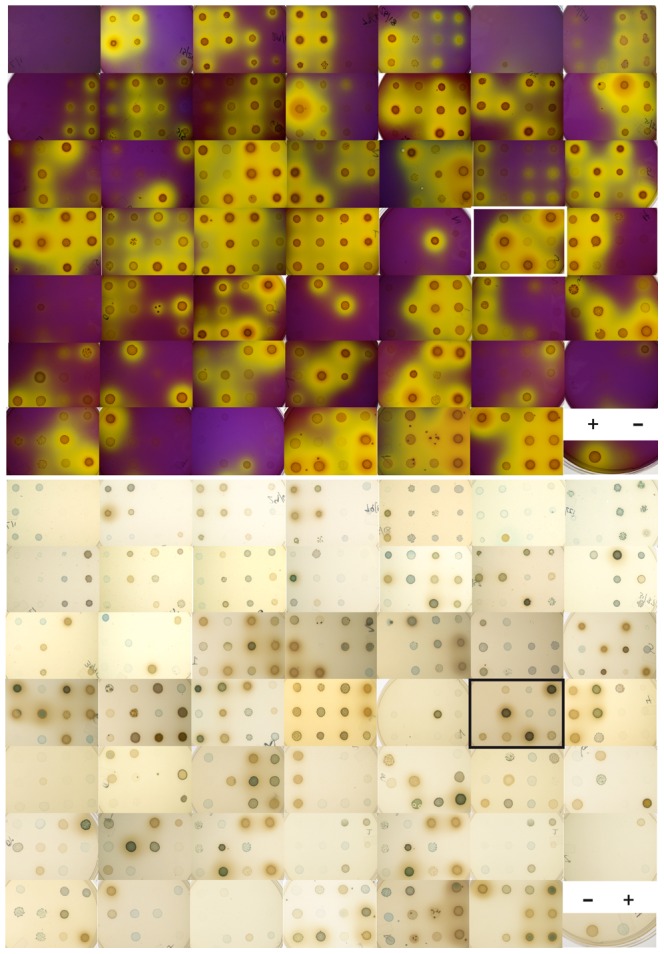
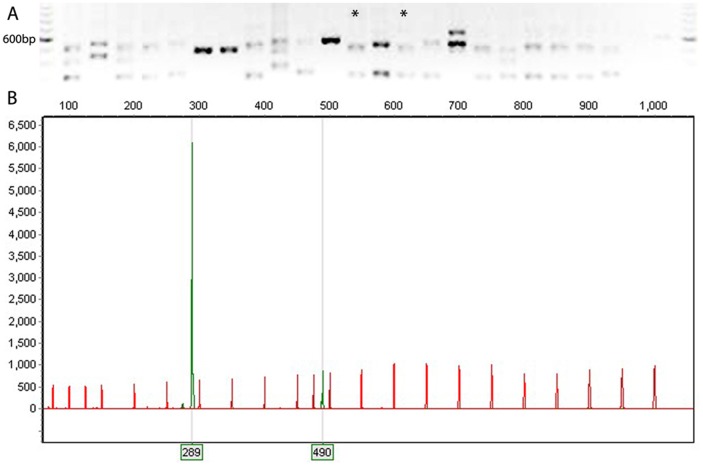
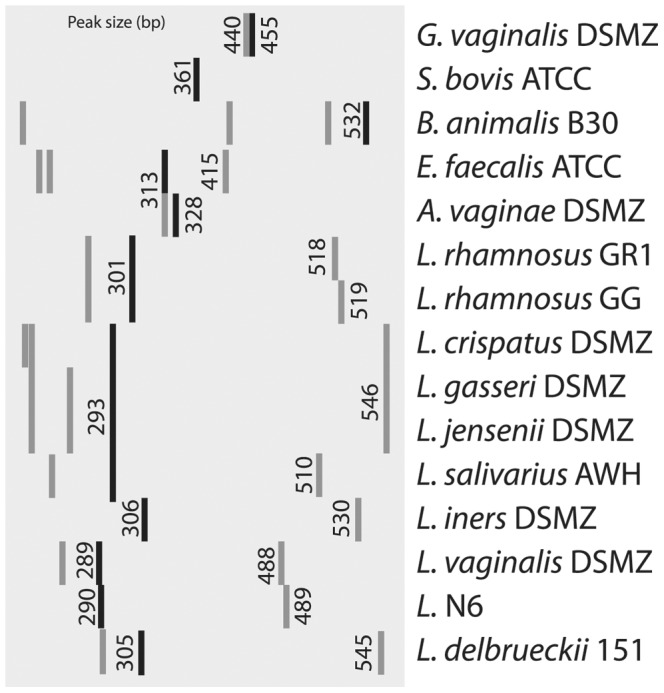
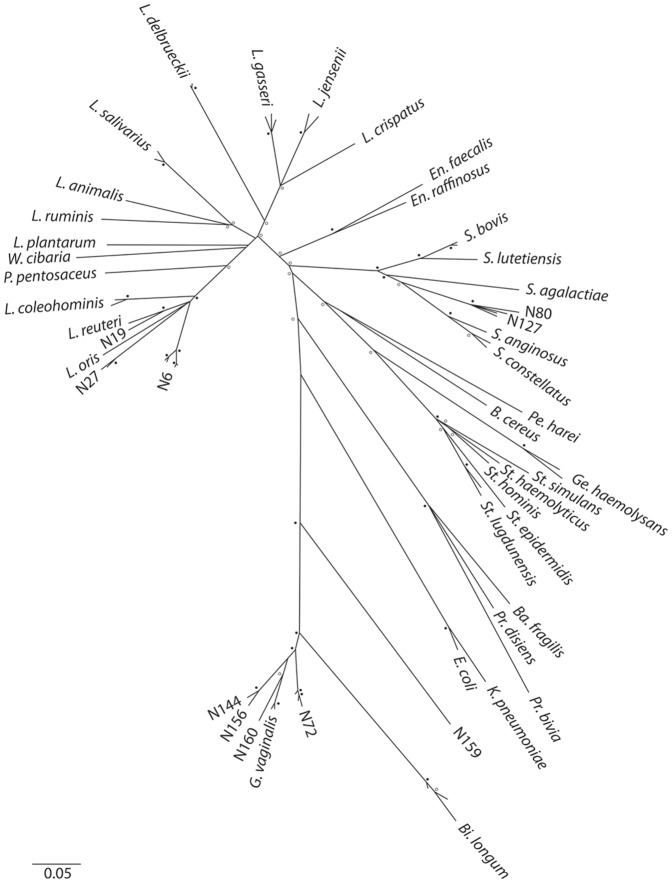
The common but poorly understood condition known as bacterial vaginosis (BV) increases vulnerability to HIV infection and is associated with the absence of H(2)O(2)-producing Lactobacillus. Vaginal lactic acid bacteria (LAB) produce anti-HIV factors such as organic acids and hydrogen peroxide (H(2)O(2)), and may bind and inactivate HIV particles during scavenging of mannose. These factors define potential criteria for initial selection of candidate probiotics to block heterosexual transmission of HIV. Therefore, the primary goal of this study was to characterize acid production on mannose and H(2)O(2) production in vaginal isolates from Canadian adolescents (192 isolates, 16 individuals) and commercial sex workers in Nairobi, Kenya (576 isolates, 96 individuals). Selection of isolates from H(2)O(2)-detecting media suggested an idiosyncratic individual-level profile and extensive phenotypic diversity, including the identification of a subset of "double-strong" acid- and H(2)O(2)-producers with phenotypes similar to well-characterized probiotic strains. Molecular fingerprinting of all isolates by capillary electrophoresis of 16S-23S rRNA interspacer amplicons was coupled with chaperonin-60 universal target (cpn60 UT) sequencing in a subset, tentatively identifying 96% of isolates although only 19% were sequenced. Most isolates belonged to Lactobacillus, Streptococcus, Bifidobacterium or Gardnerella, with a total of 37 species in 15 genera, as well as 5 potentially novel organisms, identified in this study. This sensitivity was likely enhanced by phenotype-based selection on two chromogenic media formulations. Identification of double-strong isolates may provide a rational basis for selection and further characterization of vaginal probiotics, with potential application as part of HIV prevention initiatives in western Canada and East Africa.
细菌性阴道病(BV)是一种常见但了解甚少的病症,会增加感染艾滋病毒的风险,并且与缺乏产生 H2O2的乳杆菌有关。阴道乳酸杆菌(LAB)会产生抗 HIV 因子,如有机酸和过氧化氢(H2O2),并且在 mannose 清除过程中可能会结合并使 HIV 颗粒失活。这些因素为选择候选益生菌来阻断艾滋病毒的异性传播提供了潜在的标准。因此,本研究的主要目标是对加拿大青少年(192 株,16 人)和肯尼亚内罗毕的商业性工作者(576 株,96 人)阴道分离株在 mannose 上的产酸和 H2O2产生能力进行特征描述。从 H2O2检测培养基中选择分离株表明存在个体特有的特征谱和广泛的表型多样性,包括鉴定出一组“双强”酸和 H2O2产生菌,其表型与特征明确的益生菌株相似。通过毛细管电泳 16S-23S rRNA 间隔区扩增子对所有分离株进行分子指纹图谱分析,并对其中一部分分离株进行 chaperonin-60 universal target (cpn60 UT) 测序,初步鉴定出 96%的分离株,尽管只有 19%进行了测序。大多数分离株属于乳杆菌属、链球菌属、双歧杆菌属或加德纳菌属,共 15 个属 37 个种,此外还有 5 种在本研究中发现的潜在新生物。这种敏感性可能通过两种显色培养基配方的基于表型的选择得到增强。鉴定出的“双强”分离株可能为阴道益生菌的选择和进一步特征描述提供合理的依据,这可能为加拿大西部和东非的艾滋病毒预防计划提供应用。