Rega Institute for Medical Research, KU Leuven, Minderbroedersstraat 10, B-3000 Leuven, Belgium.
Mar Drugs. 2012 Jul;10(7):1476-1497. doi: 10.3390/md10071476. Epub 2012 Jul 10.
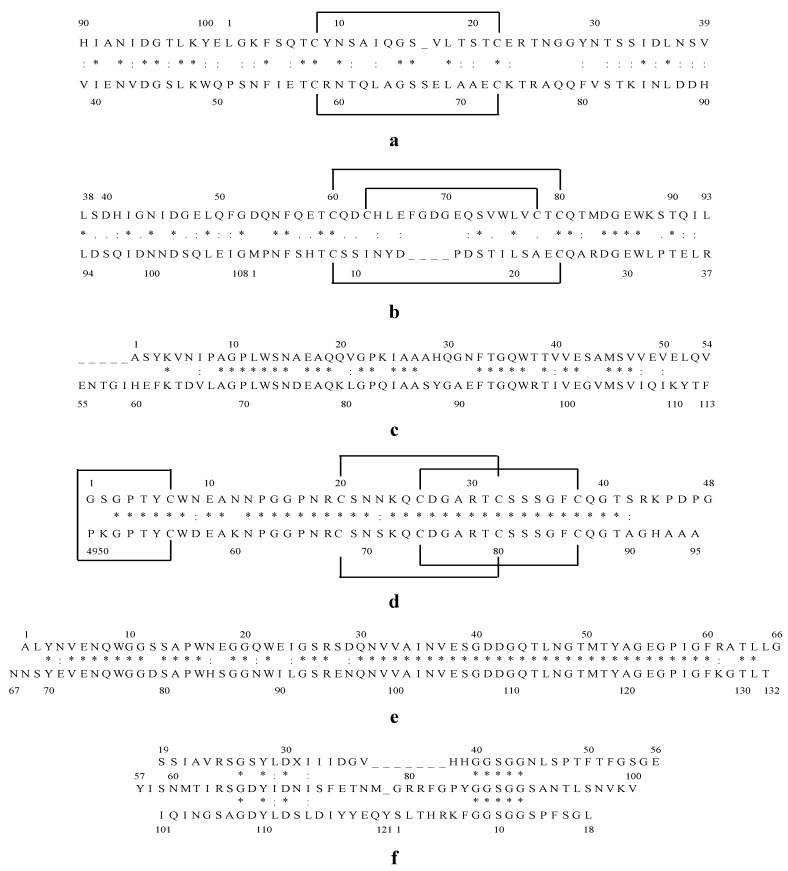
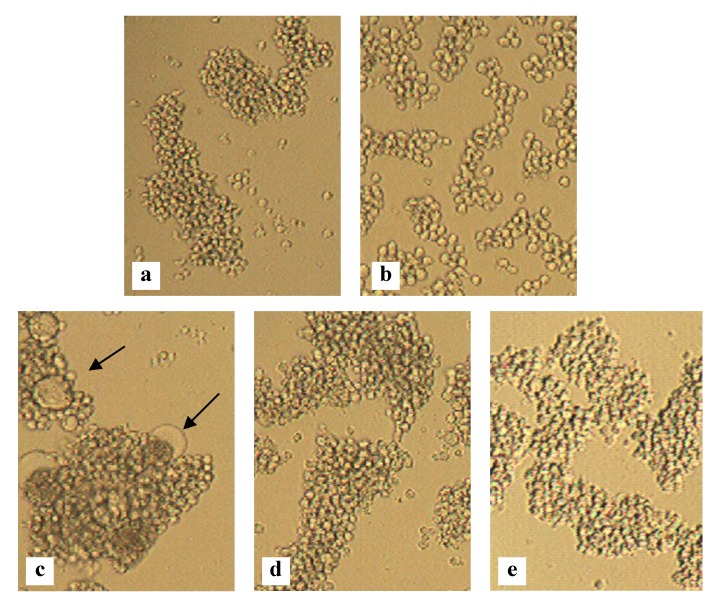
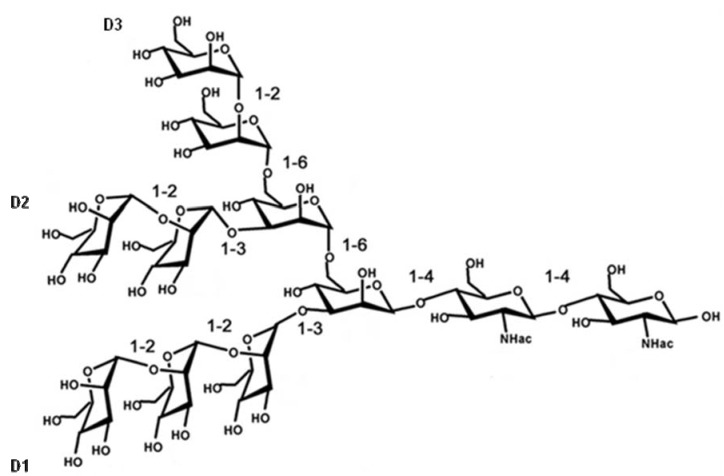
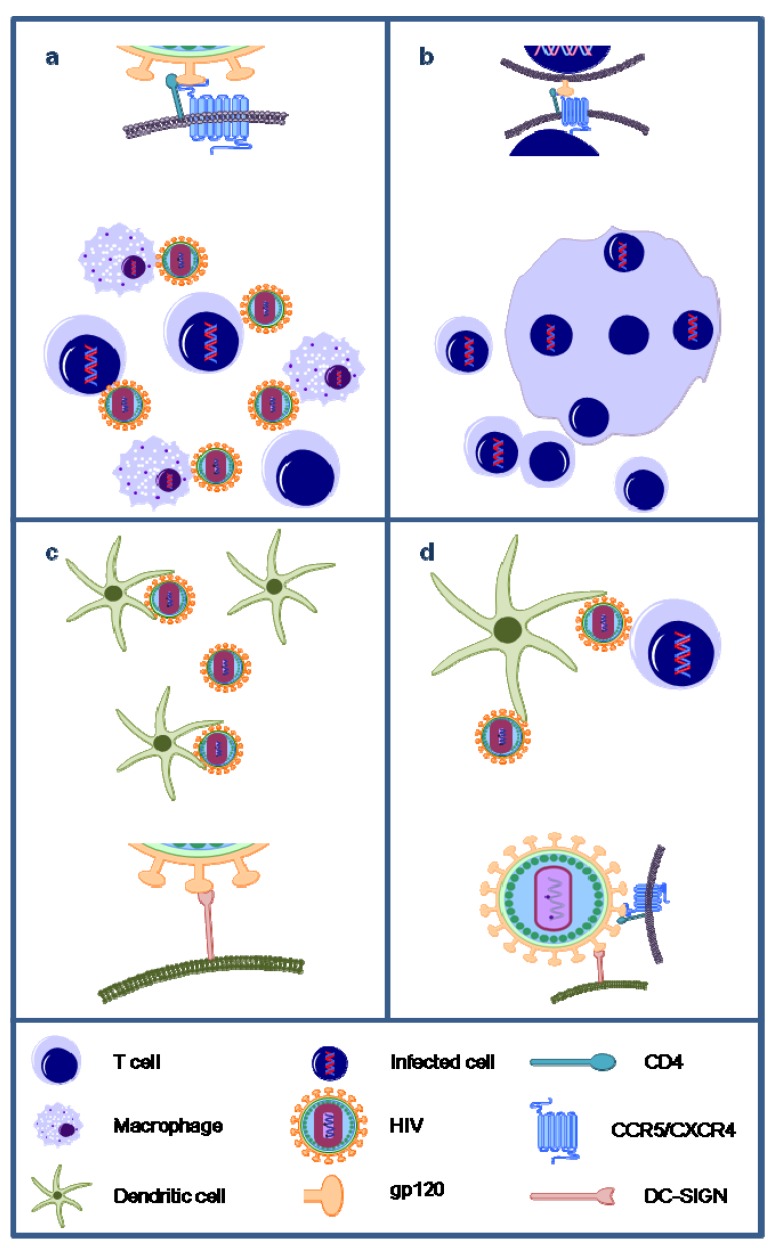
The development and use of topical microbicides potentially offers an additional strategy to reduce the spread of the Human Immunodeficiency Virus (HIV). Carbohydrate-binding agents (CBAs) that show specificity for high mannose carbohydrates on the surface of the heavily glycosylated envelope of HIV are endowed with potent anti-HIV activity. In fact, a number of algal lectins such as cyanovirin-N, microvirin, microcystis viridis lectin, scytovirin, Oscillatoria agardhii agglutinin and griffithsin are considered as potential microbicide candidates to prevent the sexual transmission of HIV through topical applications. They not only inhibit infection of cells by cell-free virus but they can also efficiently prevent virus transmission from virus-infected cells to uninfected CD4(+) target T-lymphocytes and DC-SIGN-directed capture of HIV-1 and transmission to CD4(+) T lymphocytes. This review focuses on the structural properties and carbohydrate specificity of these algal lectins, their antiviral activity against HIV and several other enveloped viruses, their safety profile and viral resistance patterns.
局部用杀微生物剂的开发和使用可能提供了另一种策略来减少人类免疫缺陷病毒 (HIV) 的传播。对 HIV 高度糖基化包膜表面上的高甘露糖碳水化合物具有特异性的碳水化合物结合剂 (CBA) 具有很强的抗 HIV 活性。事实上,一些藻类凝集素,如 氰钴胺素-N、微病毒、微绿藻凝集素、scytovirin、Oscillatoria agardhii 凝集素和 griffithsin,被认为是潜在的杀微生物候选物,可通过局部应用来预防 HIV 的性传播。它们不仅抑制无细胞病毒感染细胞,而且还可以有效地防止病毒从感染病毒的细胞传播到未感染的 CD4(+)靶 T 淋巴细胞和 DC-SIGN 指导的 HIV-1 捕获和向 CD4(+)T 淋巴细胞的传播。这篇综述重点介绍了这些藻类凝集素的结构特性和碳水化合物特异性、它们对 HIV 和其他几种包膜病毒的抗病毒活性、它们的安全性概况和病毒耐药模式。