Department of Pathobiology, Ontario Veterinary College, University of Guelph, Guelph, Ontario, Canada.
PLoS One. 2012;7(7):e41484. doi: 10.1371/journal.pone.0041484. Epub 2012 Jul 31.
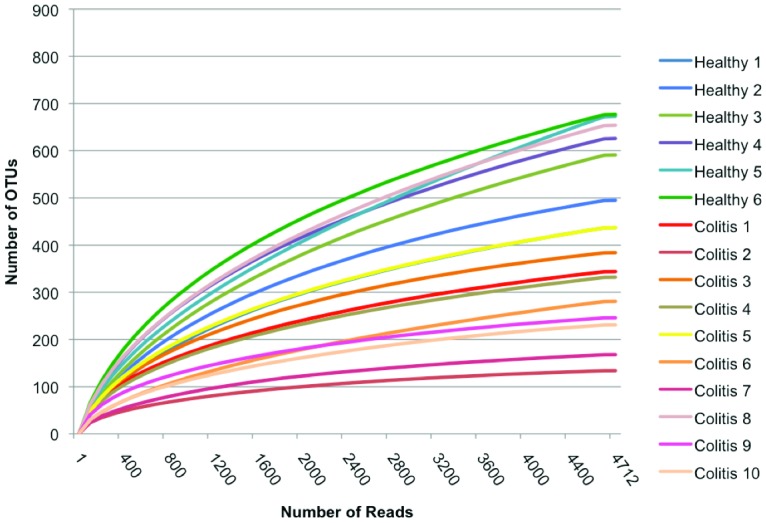
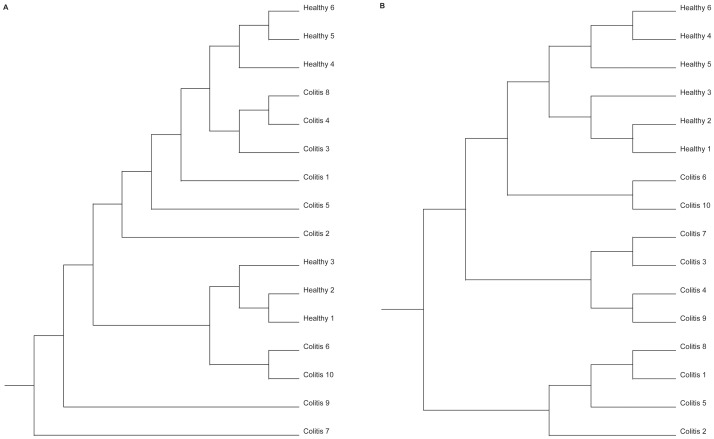
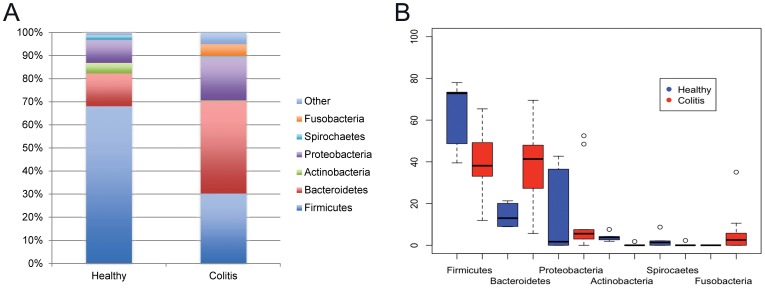
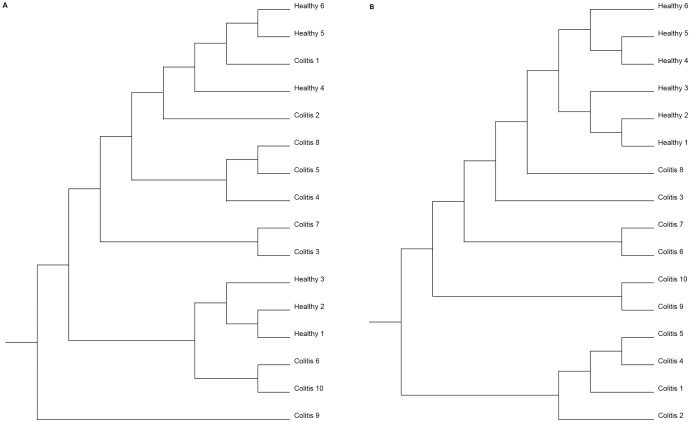
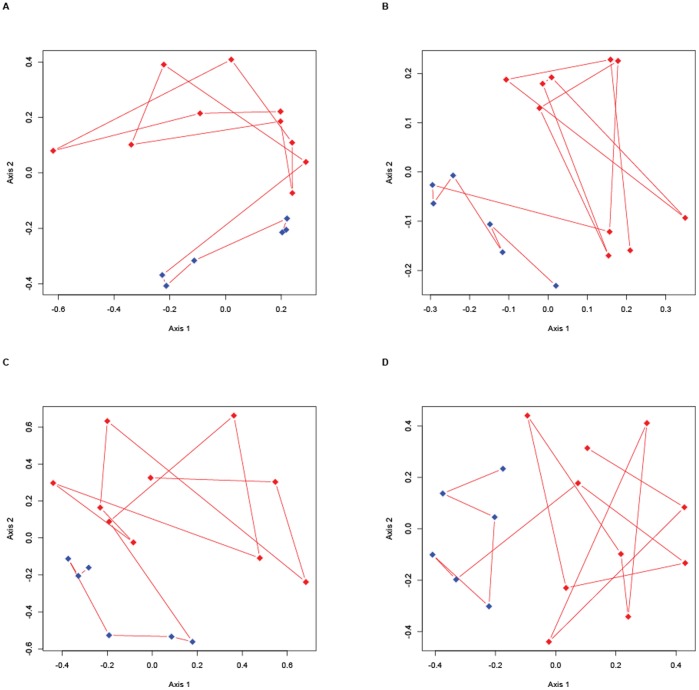
The intestinal tract houses one of the richest and most complex microbial populations on the planet, and plays a critical role in health and a wide range of diseases. Limited studies using new sequencing technologies in horses are available. The objective of this study was to characterize the fecal microbiome of healthy horses and to compare the fecal microbiome of healthy horses to that of horses with undifferentiated colitis. A total of 195,748 sequences obtained from 6 healthy horses and 10 horses affected by undifferentiated colitis were analyzed. Firmicutes predominated (68%) among healthy horses followed by Bacteroidetes (14%) and Proteobacteria (10%). In contrast, Bacteroidetes (40%) was the most abundant phylum among horses with colitis, followed by Firmicutes (30%) and Proteobacteria (18%). Healthy horses had a significantly higher relative abundance of Actinobacteria and Spirochaetes while horses with colitis had significantly more Fusobacteria. Members of the Clostridia class were more abundant in healthy horses. Members of the Lachnospiraceae family were the most frequently shared among healthy individuals. The species richness reported here indicates the complexity of the equine intestinal microbiome. The predominance of Clostridia demonstrates the importance of this group of bacteria in healthy horses. The marked differences in the microbiome between healthy horses and horses with colitis indicate that colitis may be a disease of gut dysbiosis, rather than one that occurs simply through overgrowth of an individual pathogen.
肠道中栖息着地球上最丰富、最复杂的微生物群体之一,在健康和广泛的疾病中发挥着关键作用。目前,针对马只使用新测序技术的研究有限。本研究旨在描述健康马的粪便微生物群,并将健康马的粪便微生物群与非特异性结肠炎马的粪便微生物群进行比较。从 6 匹健康马和 10 匹非特异性结肠炎马中获得了总计 195748 个序列进行分析。健康马中厚壁菌门(Firmicutes)(占 68%)占主导地位,其次是拟杆菌门(Bacteroidetes)(占 14%)和变形菌门(Proteobacteria)(占 10%)。相比之下,结肠炎马中最丰富的菌门是拟杆菌门(Bacteroidetes)(占 40%),其次是厚壁菌门(Firmicutes)(占 30%)和变形菌门(Proteobacteria)(占 18%)。健康马的放线菌门(Actinobacteria)和螺旋体门(Spirochaetes)相对丰度明显更高,而结肠炎马的梭杆菌门(Fusobacteria)丰度明显更高。类杆菌目中的成员在健康马中更为丰富。健康个体中共享的最多的是lachnospiraceae 科的成员。本研究报告的物种丰富度表明了马肠道微生物群的复杂性。厚壁菌门的优势表明该细菌群在健康马中的重要性。健康马和结肠炎马之间的微生物群存在显著差异,表明结肠炎可能是一种肠道微生态失调的疾病,而不是单纯由单个病原体过度生长引起的疾病。