Hatwalne Milind S
Department of Anaesthesiology, KBN Institute of Medical Sciences, Gulbarga, Karnataka, India.
Indian J Anaesth. 2012 May;56(3):227-33. doi: 10.4103/0019-5049.98760.
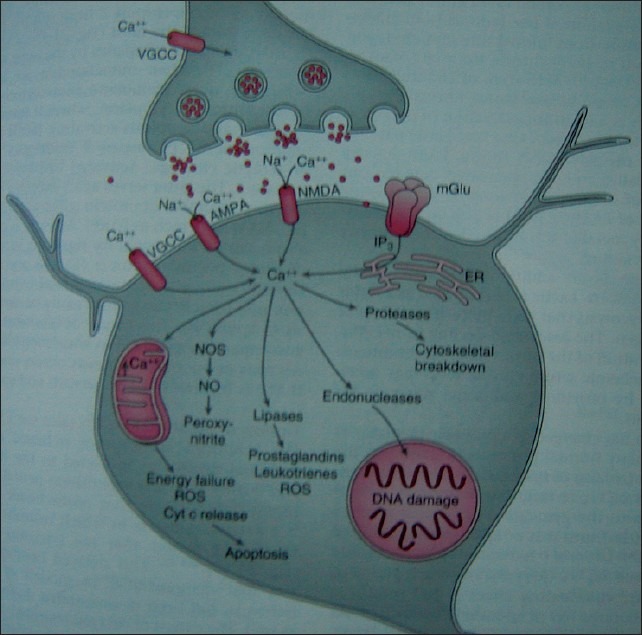
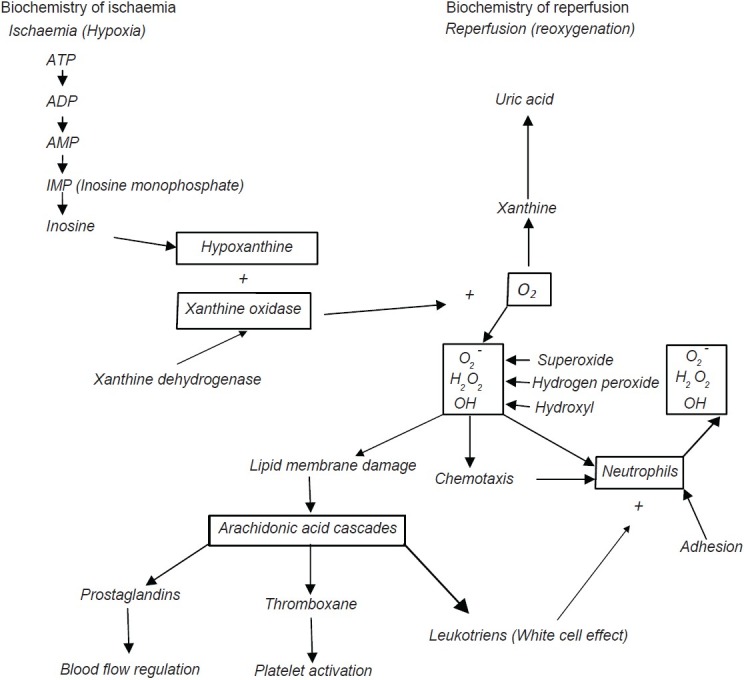
Free radicals are highly reactive and unstable compounds. These highly reactive molecules cause oxidative damage to cellular components such as DNA, proteins and lipids. They play central role in the mechanism of cell injury and cell death. Free radical scavengers either prevent these reactive species from being formed, or remove them before they can damage vital components of the cell. Oxidative stress defines an imbalance in production of oxidizing chemical species and their effective removal by protective antioxidants and scavenger enzymes. Evidence of massive oxidative stress is well established in critical illnesses characterized by tissue ischaemia-reperfusion injury and by an intense systemic inflammatory response such as during sepsis and acute respiratory distress syndrome, acute lung injury. Several clinical trials have been performed in order to reduce oxidative stress by supplementation of antioxidants alone or in combination with standard therapies. Antioxidant supplementation at an early stage of illness may lead to improved therapies in the treatment of critically ill patients. Several intravenous anaesthetic drugs act as reactive oxygen species scavengers. Anaesthetic preconditioning is of particular interest to anaesthesiologist, in which lasting protection of myocardium is elicited by brief exposure to a inhalational anaesthetic agent. These anasthetics may also mediate protective effects in other organs, such as the brain and kidney It is important for the anaesthesiologist to understand the mechanism of damage caused by free radicals and how free radical scavengers work so that this knowledge can be applied to varied pathological conditions. The topic was hand searched in text books and electronically searched from PubMed and Google scholar using text words.
自由基是高反应性和不稳定的化合物。这些高反应性分子会对细胞成分如DNA、蛋白质和脂质造成氧化损伤。它们在细胞损伤和细胞死亡机制中起核心作用。自由基清除剂要么阻止这些反应性物质的形成,要么在它们能够损伤细胞的重要成分之前将其清除。氧化应激定义为氧化化学物质的产生与其被保护性抗氧化剂和清除酶有效清除之间的失衡。在以组织缺血-再灌注损伤以及强烈的全身炎症反应为特征的危重病中,如脓毒症和急性呼吸窘迫综合征、急性肺损伤期间,大量氧化应激的证据已得到充分证实。为了通过单独补充抗氧化剂或与标准疗法联合使用来降低氧化应激,已经进行了几项临床试验。在疾病早期补充抗氧化剂可能会改善对危重病患者的治疗。几种静脉麻醉药物可作为活性氧清除剂。麻醉预处理尤其引起麻醉医生的兴趣,其中通过短暂暴露于吸入麻醉剂可引发对心肌的持久保护。这些麻醉剂也可能在其他器官如脑和肾中介导保护作用。对于麻醉医生来说,了解自由基造成损伤的机制以及自由基清除剂的工作方式非常重要,以便将这些知识应用于各种病理状况。本主题通过在教科书中手工检索以及使用关键词在PubMed和谷歌学术上进行电子检索。