Department of Public Health, Juntendo University School of Medicine, Hongo, Bunkyo-ku, Tokyo, Japan.
Trials. 2012 Sep 4;13:158. doi: 10.1186/1745-6215-13-158.
Decreasing salt consumption can prevent cardiovascular diseases (CVD). Practically, it is difficult to promote people's awareness of daily salt intake and to change their eating habits in terms of reducing salt intake for better cardiovascular health. Health education programs visualizing daily dietary salt content and intake may promote lifestyle changes in patients at high risk of cardiovascular diseases.
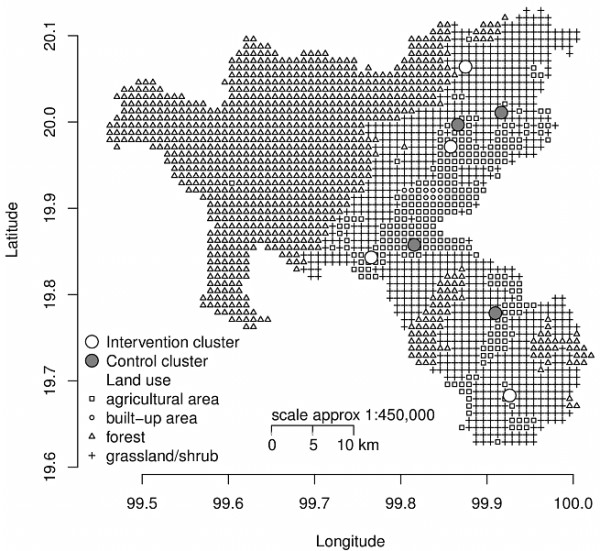
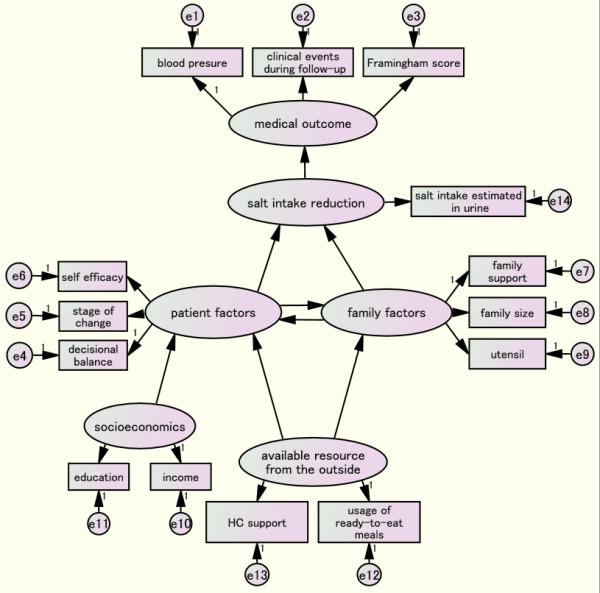
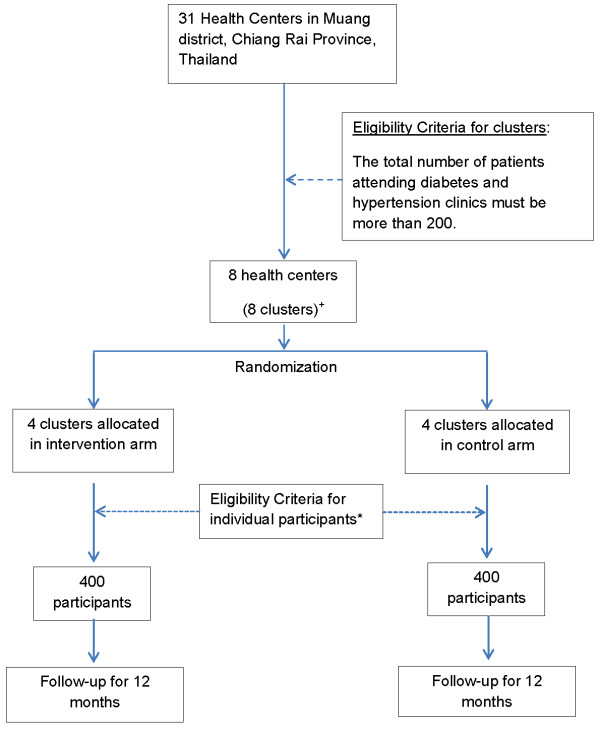
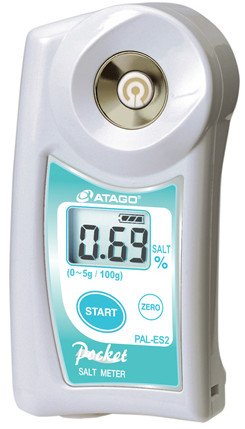
METHODS/DESIGN: This is a cluster randomized trial. A total of 800 high-CVD-risk patients attending diabetes and hypertension clinics at health centers in Muang District, Chiang Rai province, Thailand, will be studied with informed consent. A health center recruiting 100 participants is a cluster, the unit of randomization. Eight clusters will be randomized into intervention and control arms and followed up for 1 year. Within the intervention clusters the following will be undertaken: (1) salt content in the daily diet will be measured and shown to study participants; (2) 24-hour salt intake will be estimated in overnight-collected urine and the results shown to the participants; (3) a dietician will assist small group health education classes in cooking meals with less salt. The primary outcome is blood pressure change at the 1-year follow-up. Secondary outcomes at the 1-year follow-up are estimated 24-hoursalt intake, incidence of CVD events and CVD death. The intention-to-treat analysis will be followed.Blood pressure and estimated 24-hour salt intake will be compared between intervention and control groups at the cluster and individual level at the 1-year follow-up. Clinical CVD events and deaths will be analyzed by time-event analysis. Retinal blood vessel calibers of CVD-risk patients will be assessed cross-sectionally. Behavioral change to reduce salt intake and the influencing factors will be determined by structured equation model (SEM). Multilevel regression analyses will be applied. Finally, the cost effectiveness of the intervention will be analyzed.
This study is unique as it will recruit the individuals most vulnerable to CVD morbidity and mortality by applying the general Framingham CVD risk scoring system. Dietary salt reduction will be applied as a prioritized, community level intervention for the prevention of CVD in a developing country.
ISRCTN39416277.
减少盐的摄入可以预防心血管疾病(CVD)。实际上,很难提高人们对日常盐摄入量的认识,也很难改变他们减少盐摄入以改善心血管健康的饮食习惯。针对心血管疾病高危患者的健康教育计划,可视化日常饮食中的盐含量和摄入量,可以促进生活方式的改变。
方法/设计:这是一项整群随机试验。共有 800 名在泰国清莱府孟区卫生中心看糖尿病和高血压门诊的高 CVD 风险患者将在知情同意的情况下进行研究。一个招募 100 名参与者的卫生中心是一个群,这是随机分组的单位。8 个群将被随机分为干预组和对照组,并随访 1 年。在干预组中,将进行以下操作:(1)测量日常饮食中的盐含量并向研究参与者展示;(2)通过夜间收集的尿液估计 24 小时盐摄入量并向参与者展示结果;(3)营养师将协助小组进行低盐烹饪健康教育培训。主要结局是 1 年随访时的血压变化。次要结局为 1 年随访时的估计 24 小时盐摄入量、CVD 事件和 CVD 死亡发生率。将采用意向治疗分析。1 年随访时,将在群和个体水平上比较干预组和对照组的血压和估计 24 小时盐摄入量。通过时间事件分析对临床 CVD 事件和死亡进行分析。对 CVD 风险患者的视网膜血管口径进行横断面评估。通过结构方程模型(SEM)确定减少盐摄入的行为改变及其影响因素。将应用多水平回归分析。最后,将分析干预的成本效益。
该研究具有独特性,因为它将通过应用通用的Framingham CVD 风险评分系统,招募最易患 CVD 发病率和死亡率的个体。在发展中国家,作为一种优先的社区一级干预措施,减少饮食中的盐摄入量将用于预防 CVD。
ISRCTN39416277。