Department of Pathology and Yale Cancer Center, Yale School of Medicine, New Haven, CT 06520, USA.
Yale J Biol Med. 2012 Sep;85(3):347-61. Epub 2012 Sep 25.
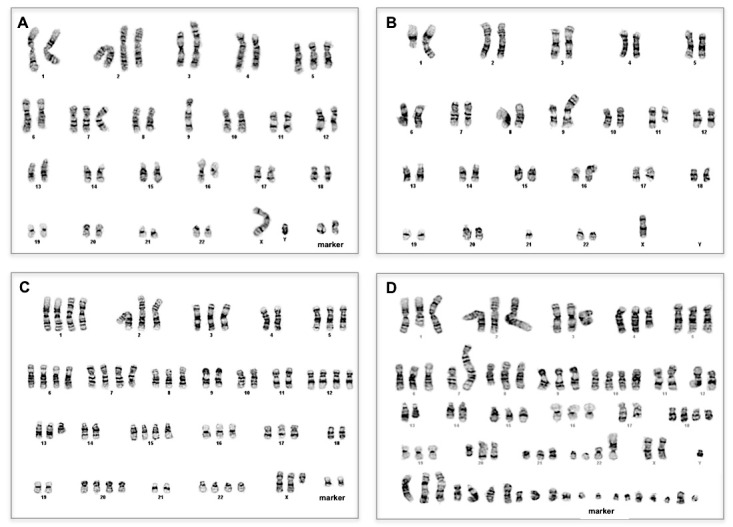
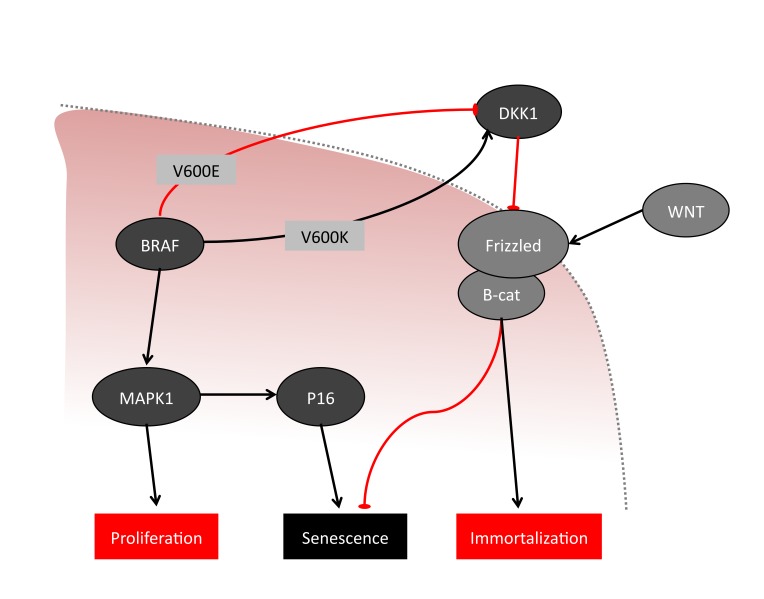
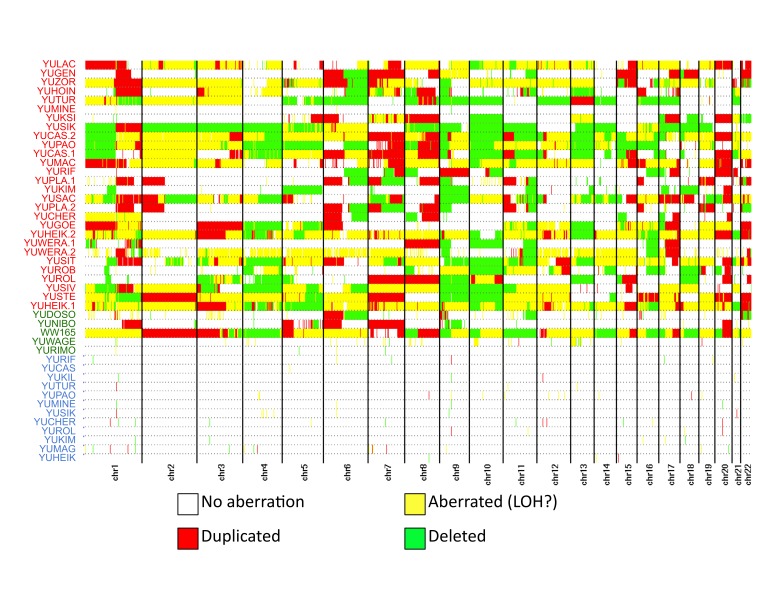
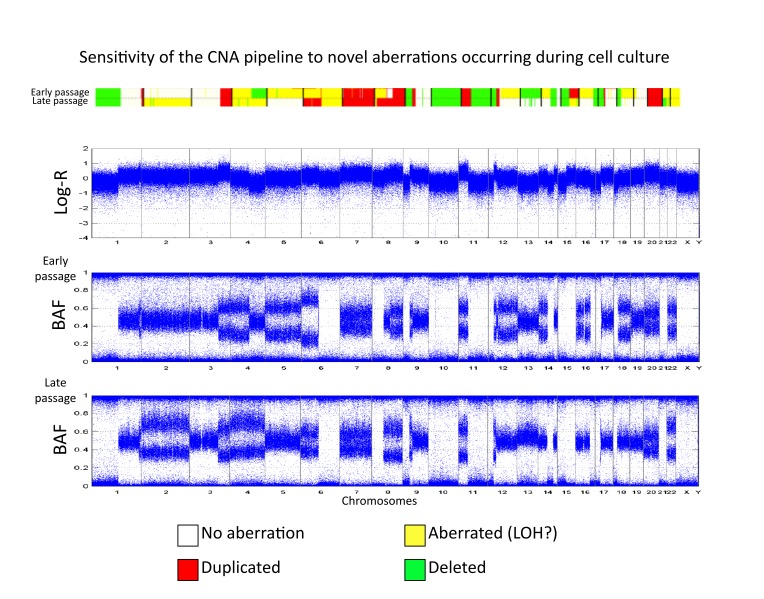
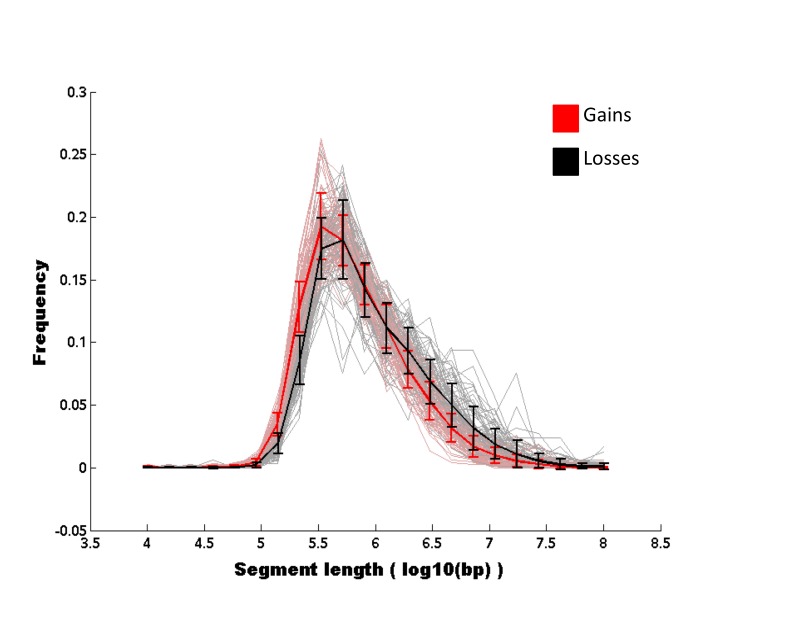
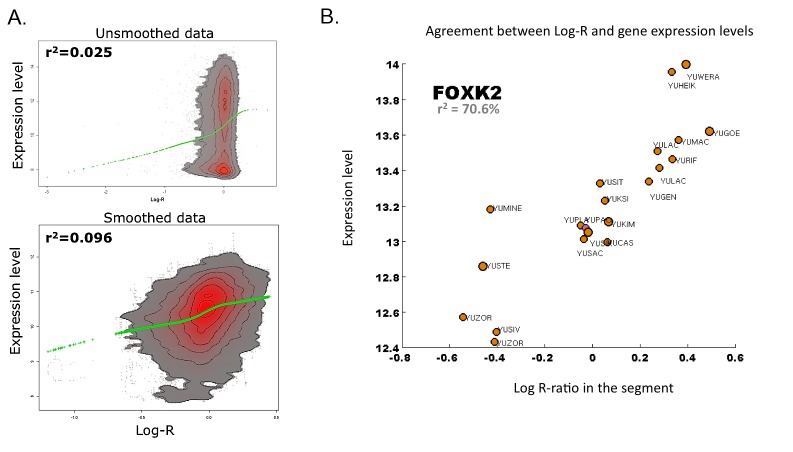
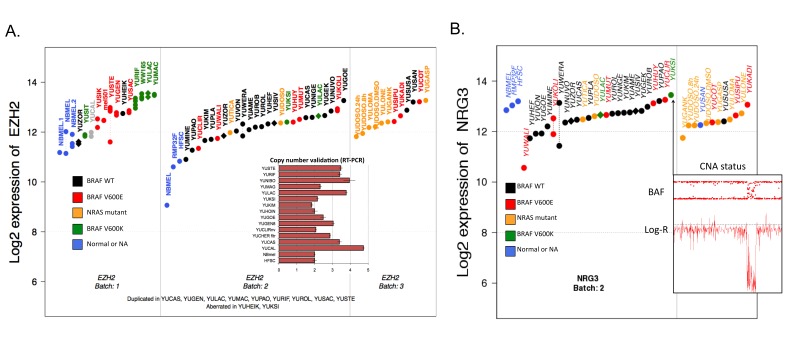
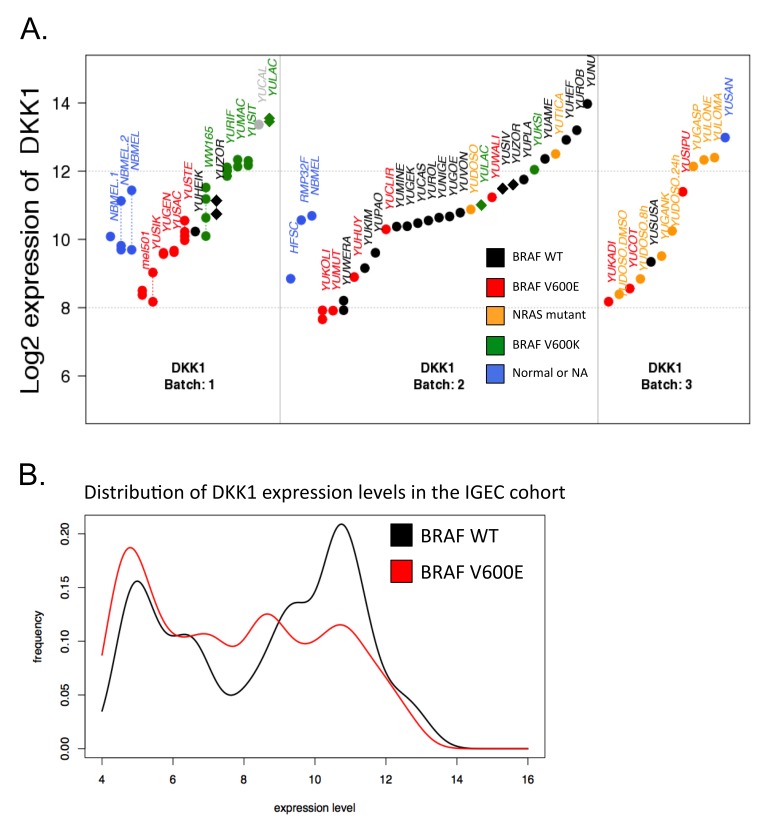
The heterogeneity of tumor samples is a major challenge in the analysis of high-throughput profiling of tumor biopsies and cell lines. The measured aggregate signals of multigenerational progenies often represent an average of several tumor subclones with varying genomic aberrations and different gene expression levels. The goal of the present study was to integrate copy number analyses from SNP-arrays and karyotyping, gene expression profiling, and pathway analyses to detect heterogeneity, identify driver mutations, and explore possible mechanisms of tumor evolution. We showed the heterogeneity of the studied samples, characterized the global copy number alteration profiles, and identified genes whose copy number status and expression levels were aberrant. In particular, we identified a recurrent association between two BRAF(V600E) and BRAF(V600K) mutations and changes in DKK1 gene expression levels, which might indicate an association between the BRAF and WNT pathways. These findings show that the integrated approaches used in the present study can robustly address the challenging issue of tumor heterogeneity in high-throughput profiling.
肿瘤样本的异质性是分析高通量肿瘤活检和细胞系的主要挑战。多代后代的测量总信号通常代表具有不同基因组畸变和不同基因表达水平的几个肿瘤亚克隆的平均值。本研究的目的是整合 SNP 阵列和核型分析、基因表达谱分析和途径分析,以检测异质性、识别驱动突变,并探索肿瘤进化的可能机制。我们展示了研究样本的异质性,描述了全局拷贝数改变谱,并鉴定了拷贝数状态和表达水平异常的基因。特别是,我们发现两个 BRAF(V600E)和 BRAF(V600K)突变与 DKK1 基因表达水平变化之间存在反复关联,这可能表明 BRAF 和 WNT 途径之间存在关联。这些发现表明,本研究中使用的综合方法可以稳健地解决高通量分析中肿瘤异质性的挑战性问题。