Department of Health and Sport Sciences, The University of Memphis, Cardiorespiratory/Metabolic Laboratory, 106 Roane Fieldhouse, Memphis, TN 38152, USA.
J Int Soc Sports Nutr. 2012 Sep 27;9(1):46. doi: 10.1186/1550-2783-9-46.
Methylsulfonylmethane (MSM) has been reported to provide anti-inflammatory and antioxidant effects in both animal and man. Strenuous resistance exercise has the potential to induce both inflammation and oxidative stress. Using a pilot (proof of concept) study design, we determined the influence of MSM on markers of exercise recovery and performance in healthy men.
Eight, healthy men (27.1 ± 6.9 yrs old) who were considered to be moderately exercise-trained (exercising <150 minutes per week) were randomly assigned to ingest MSM at either 1.5 grams per day or 3.0 grams per day for 30 days (28 days before and 2 days following exercise). Before and after the 28 day intervention period, subjects performed 18 sets of knee extension exercise in an attempt to induce muscle damage (and to be used partly as a measure of exercise performance). Sets 1-15 were performed at a predetermined weight for 10 repetitions each, while sets 16-18 were performed to muscular failure. Muscle soreness (using a 5-point Likert scale), fatigue (using the fatigue-inertia subset of the Profile of Mood States), blood antioxidant status (glutathione and Trolox Equivalent Antioxidant Capacity [TEAC]), and blood homocysteine were measured before and after exercise, pre and post intervention. Exercise performance (total work performed during sets 16-18 of knee extension testing) was also measured pre and post intervention.
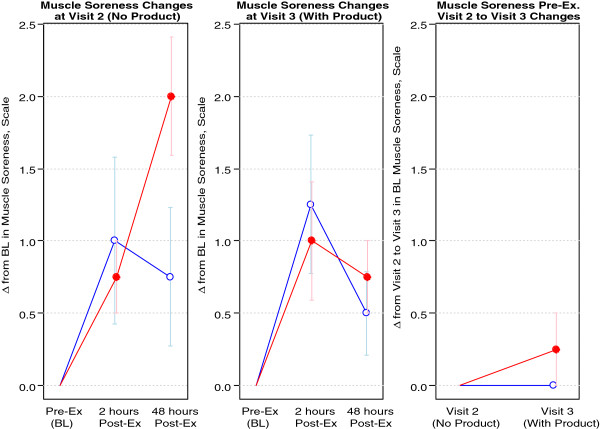
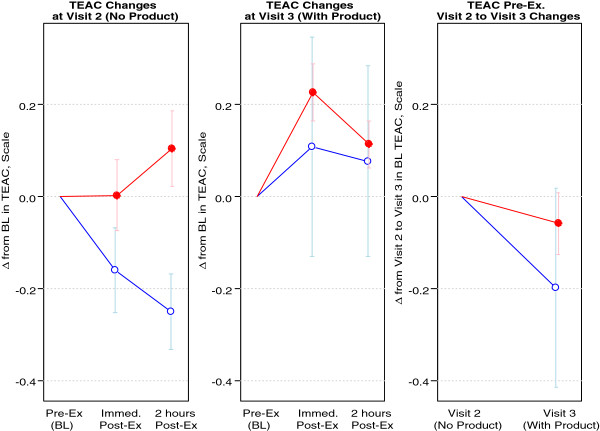
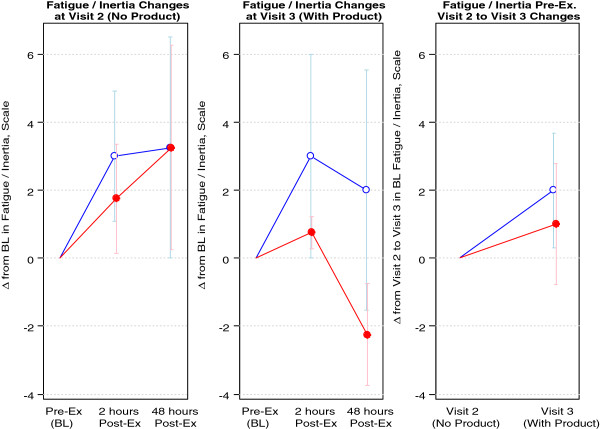
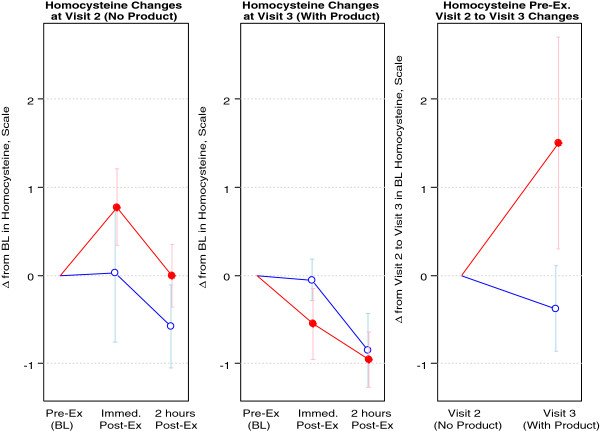
Muscle soreness increased following exercise and a trend was noted for a reduction in muscle soreness with 3.0 grams versus 1.5 grams of MSM (p = 0.080), with a 1.0 point difference between dosages. Fatigue was slightly reduced with MSM (p = 0.073 with 3.0 grams; p = 0.087 for both dosages combined). TEAC increased significantly following exercise with 3.0 grams of MSM (p = 0.035), while homocysteine decreased following exercise for both dosages combined (p = 0.007). No significant effects were noted for glutathione or total work performed during knee extension testing (p > 0.05).
MSM, especially when provided at 3.0 grams per day, may favorably influence selected markers of exercise recovery. More work is needed to extend these findings, in particular using a larger sample of subjects and the inclusion of additional markers of exercise recovery and performance.
甲硫基甲烷(MSM)已被报道在动物和人类中具有抗炎和抗氧化作用。剧烈的抗阻运动有引发炎症和氧化应激的潜力。本研究采用初步(概念验证)研究设计,以确定 MSM 对健康男性运动恢复和表现的影响。
8 名健康男性(27.1±6.9 岁),被认为是中等运动训练(每周运动<150 分钟),随机分为每天 1.5 克或 3.0 克 MSM 组,共 30 天(28 天运动前和 2 天运动后)。在 28 天干预期前后,受试者进行 18 组膝关节伸展运动,以试图引起肌肉损伤(并部分用作运动表现的测量)。第 1-15 组以预定的重量进行 10 次重复,而第 16-18 组进行至肌肉疲劳。在运动前后、干预前后测量肌肉酸痛(使用 5 分李克特量表)、疲劳(使用心境状态疲劳-惰性子量表)、血液抗氧化状态(谷胱甘肽和 Trolox 等效抗氧化能力 [TEAC])和血液同型半胱氨酸。在运动前后还测量了膝关节伸展测试第 16-18 组的运动总工作量。
运动后肌肉酸痛增加,与 1.5 克 MSM 相比,3.0 克 MSM 时肌肉酸痛减轻有趋势(p=0.080),两种剂量之间有 1.0 分的差异。与 MSM 联合使用时,疲劳略有减轻(3.0 克时 p=0.073;两种剂量联合时 p=0.087)。运动后,3.0 克 MSM 的 TEAC 显著升高(p=0.035),而两种剂量联合使用后,同型半胱氨酸降低(p=0.007)。在谷胱甘肽或膝关节伸展测试期间的总工作量方面,未观察到显著影响(p>0.05)。
MSM,尤其是每天 3.0 克时,可能有利于影响运动恢复的选定标志物。需要更多的工作来扩展这些发现,特别是使用更大的受试者样本,并纳入更多的运动恢复和表现标志物。