Department of Radiology, Na Homolce Hospital, Prague, Czech Republic,
Insights Imaging. 2012 Dec;3(6):619-27. doi: 10.1007/s13244-012-0185-9. Epub 2012 Sep 29.
Cerebrovascular disease represents a major source of global mortality and morbidity. Imaging examinations play a critical role in the management of stroke patients, from establishing the initial diagnosis to determining and guiding further treatment.
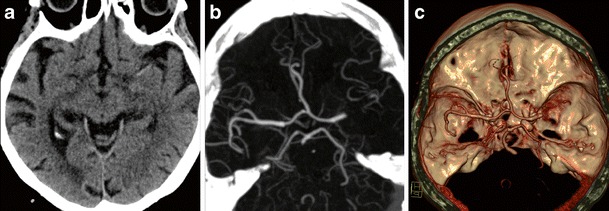
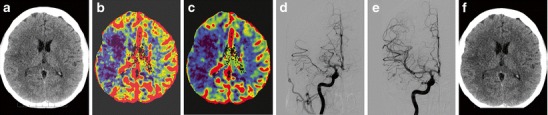
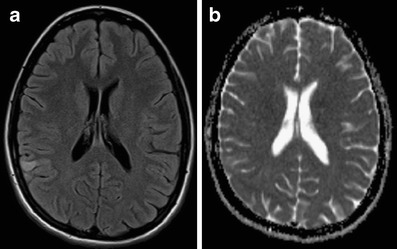
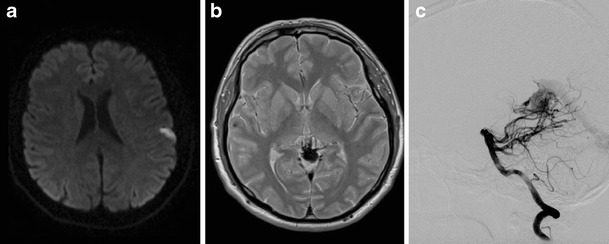
In this article, current CT and MRI methods employed in the management of stroke patients are reviewed, with an emphasis on ischemic stroke.
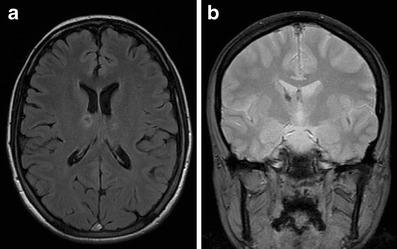
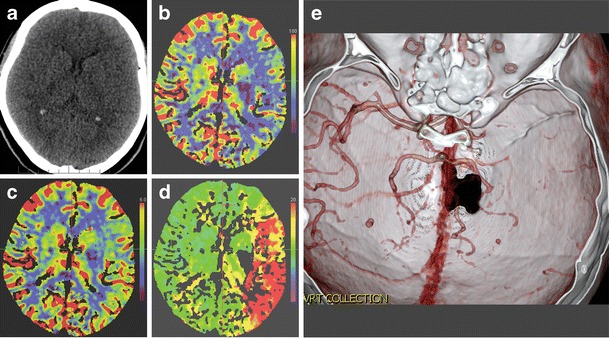
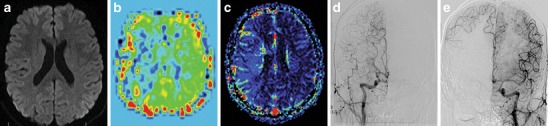
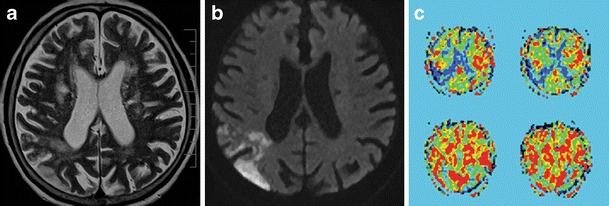
The advantages and disadvantages of these techniques are discussed, a number of cases emphasizing key points are presented, and a comparison between modern CT and MRI techniques is outlined.
The major drawback of CT is the high radiation dose, while in MRI it is the more complicated and time-consuming aspect of the examination.
• Cerebrovascular disease represents a major source of global mortality and morbidity • Imaging examinations play a critical role in the management of stroke patients • The penumbra may be seen with both CT and MRI; however, this concept may be overly simplistic • The major drawback of CT is the high radiation dose, while MRI is a more complicated examination.
脑血管疾病是全球死亡率和发病率的主要来源。影像学检查在脑卒中患者的管理中起着至关重要的作用,从确定初始诊断到确定和指导进一步治疗。
本文回顾了目前用于脑卒中患者管理的 CT 和 MRI 方法,重点介绍了缺血性脑卒中。
讨论了这些技术的优缺点,介绍了一些强调要点的病例,并对现代 CT 和 MRI 技术进行了比较。
CT 的主要缺点是辐射剂量高,而 MRI 的主要缺点是检查更复杂、耗时更长。
脑血管疾病是全球死亡率和发病率的主要来源。
影像学检查在脑卒中患者的管理中起着至关重要的作用。
CT 和 MRI 均可显示半暗带;然而,这一概念可能过于简单。
CT 的主要缺点是辐射剂量高,而 MRI 是一种更复杂的检查。