Pediatric Radiology, Texas Children's Hospital, Houston, United States of America.
PLoS One. 2012;7(10):e48515. doi: 10.1371/journal.pone.0048515. Epub 2012 Oct 31.
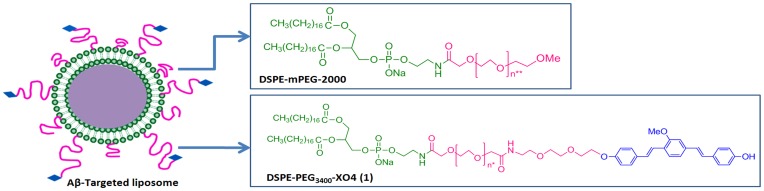
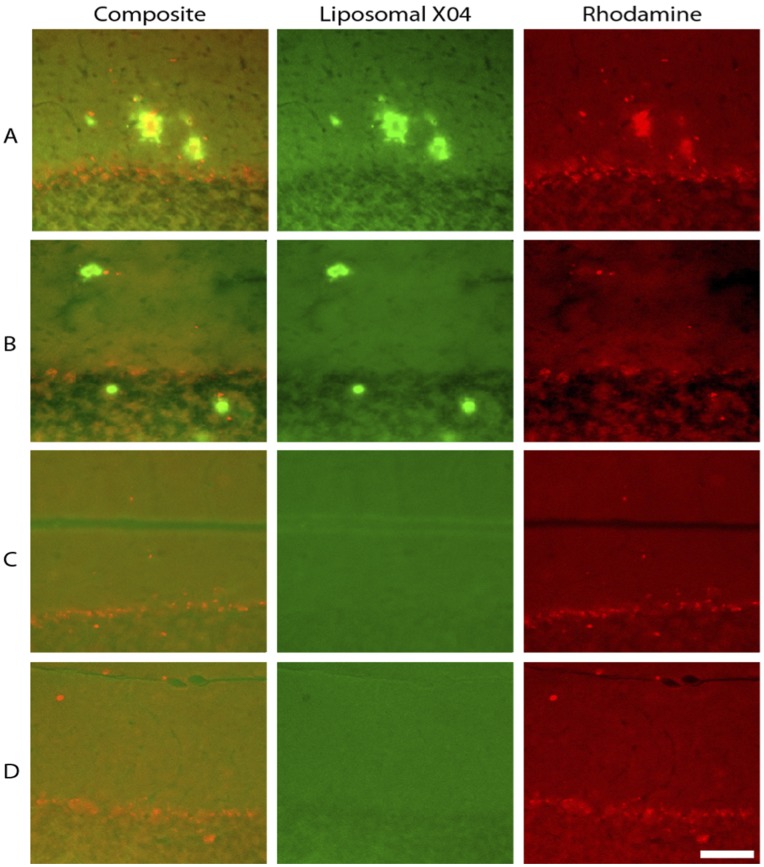
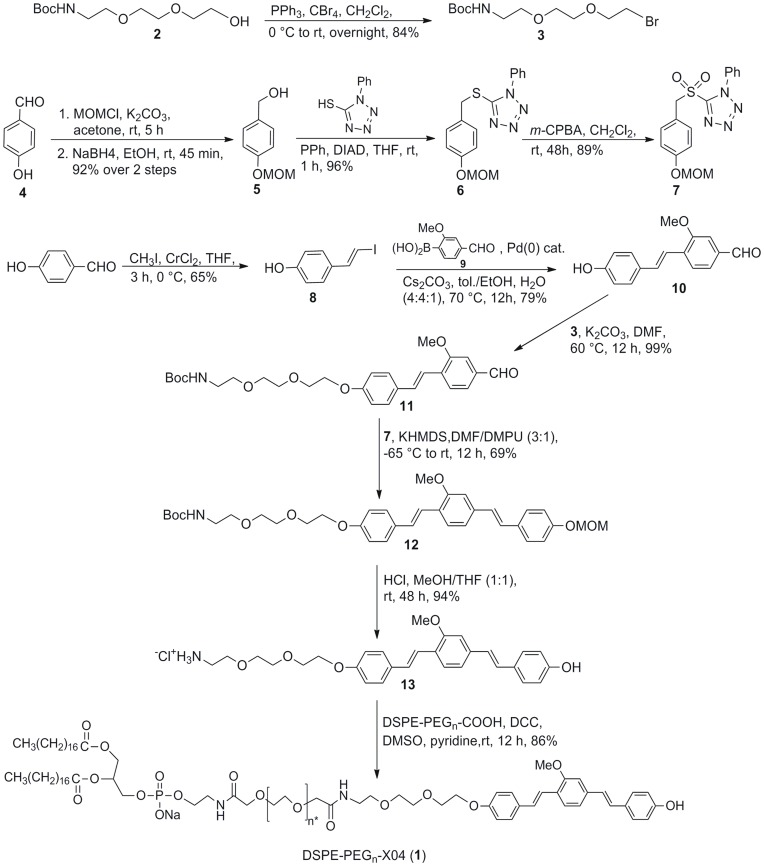
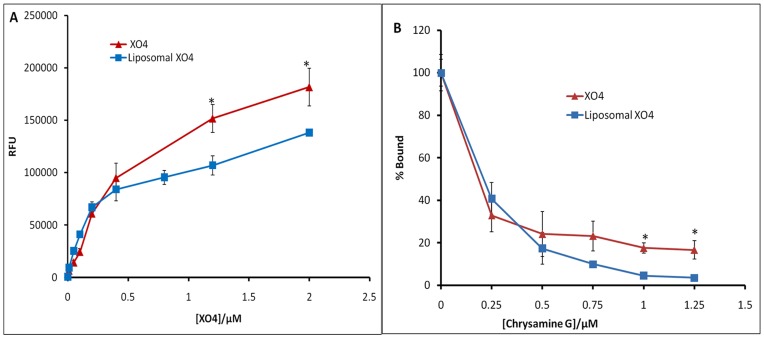
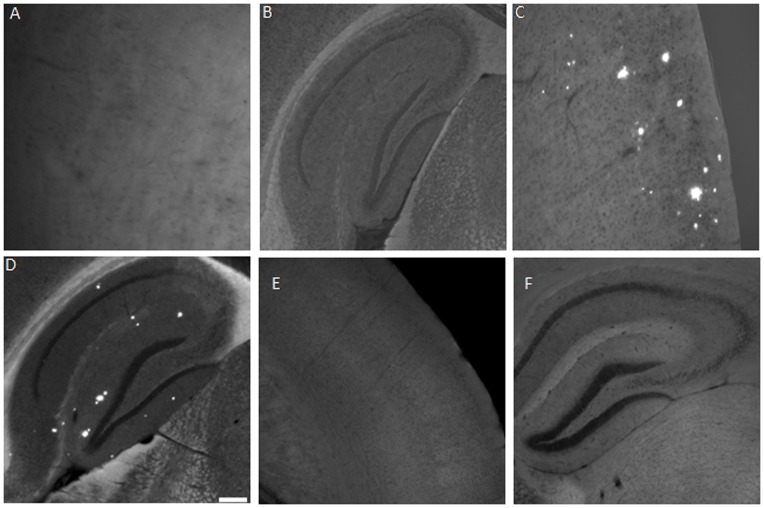
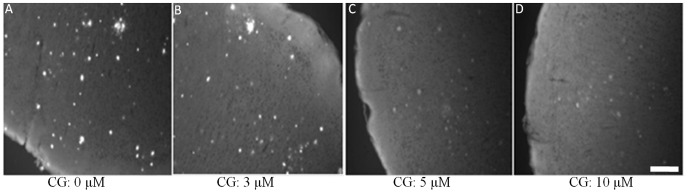
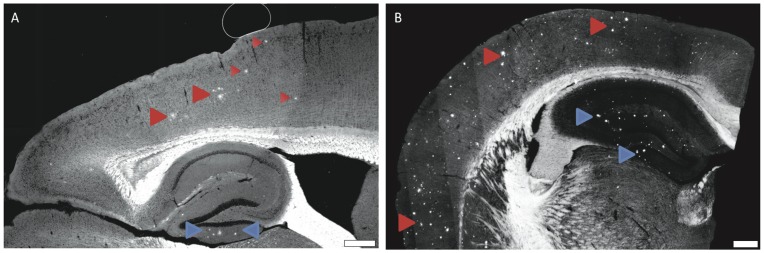
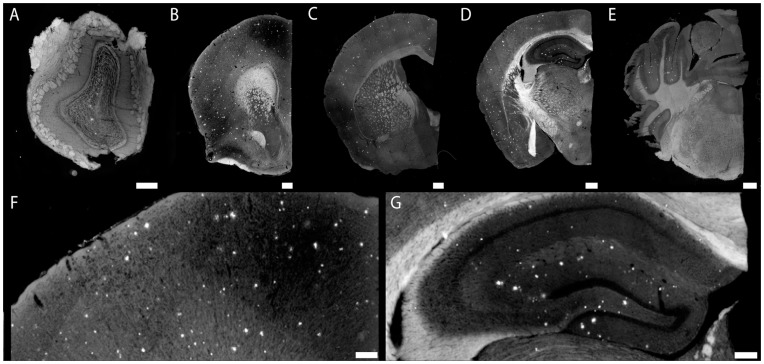
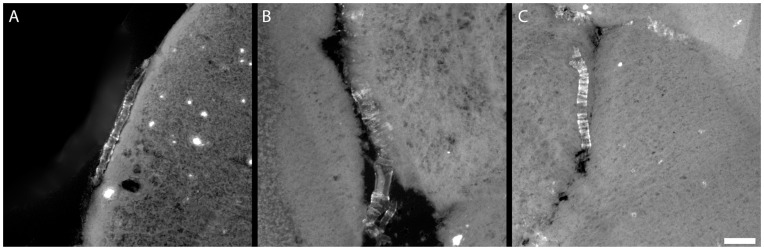
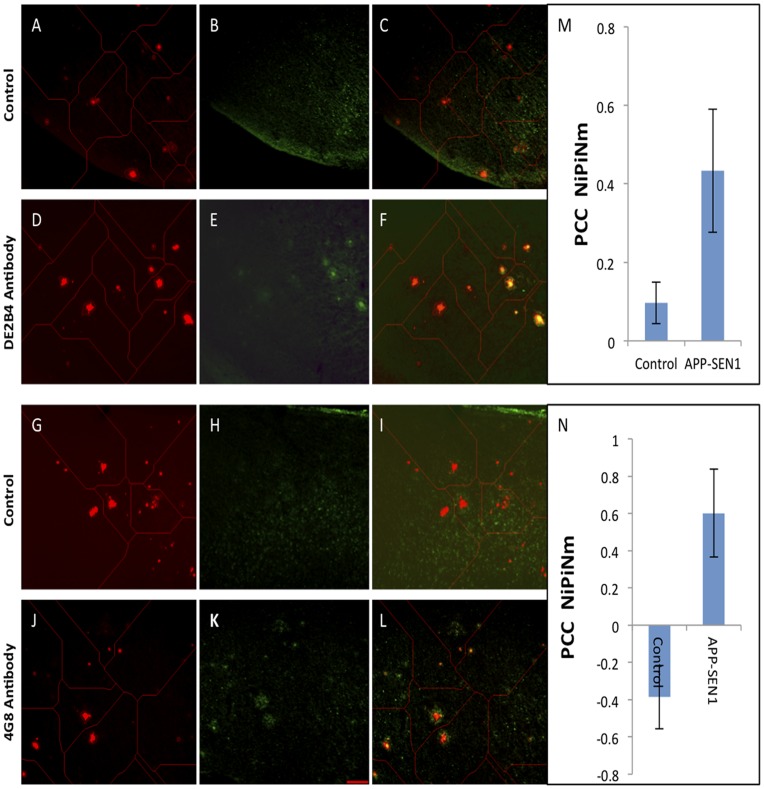
Extracellular amyloid-β (Aβ) plaques and intracellular neurofibrillary tangles constitute the major neuropathological hallmarks of Alzheimer's disease (AD). It is now apparent that parenchymal Aβ plaque deposition precedes behavioral signs of disease by several years. The development of agents that can target these plaques may be useful as diagnostic or therapeutic tools. In this study, we synthesized an Aβ-targeted lipid conjugate, incorporated it in stealth liposomal nanoparticles and tested their ability to bind amyloid plaque deposits in an AD mouse model. The results show that the particles maintain binding profiles to synthetic Aβ aggregates comparable to the free ligand, and selectively bind Aβ plaque deposits in brain tissue sections of an AD mouse model (APP/PSEN1 transgenic mice) with high efficiency. When administered intravenously, these long circulating nanoparticles appear to cross the blood-brain barrier and bind to Aβ plaque deposits, labeling parenchymal amyloid deposits and vascular amyloid characteristic of cerebral amyloid angiopathy.
细胞外淀粉样蛋白-β (Aβ) 斑块和细胞内神经原纤维缠结构成了阿尔茨海默病 (AD) 的主要神经病理学特征。现在很明显,实质 Aβ 斑块沉积在疾病出现行为迹象之前数年。开发能够针对这些斑块的药物可能作为诊断或治疗工具很有用。在这项研究中,我们合成了一种针对 Aβ 的脂质缀合物,将其整合到隐形脂质体纳米颗粒中,并测试了它们在 AD 小鼠模型中结合淀粉样斑块沉积的能力。结果表明,这些颗粒保持与合成 Aβ 聚集物结合的特性与游离配体相当,并能够高效地结合 AD 小鼠模型(APP/PSEN1 转基因小鼠)脑组织切片中的 Aβ 斑块沉积。当静脉内给药时,这些长循环纳米颗粒似乎能够穿过血脑屏障并与 Aβ 斑块沉积结合,标记实质淀粉样沉积物和血管淀粉样蛋白,这是脑淀粉样血管病的特征。