Department of Biochemistry, Stanford Genome Technology Center, Stanford University, Stanford, CA 94305, USA.
Molecules. 2012 Nov 5;17(11):13098-115. doi: 10.3390/molecules171113098.
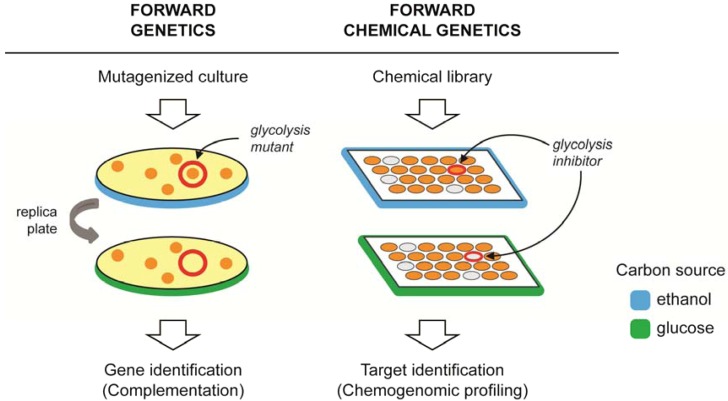
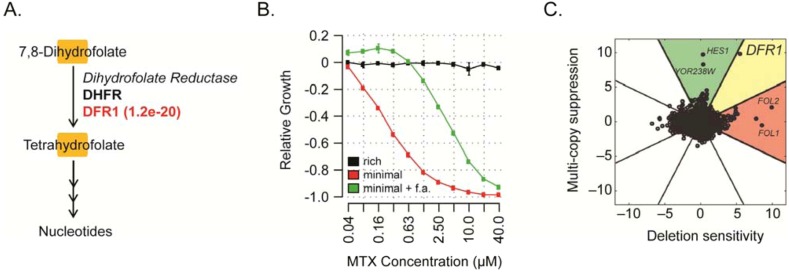
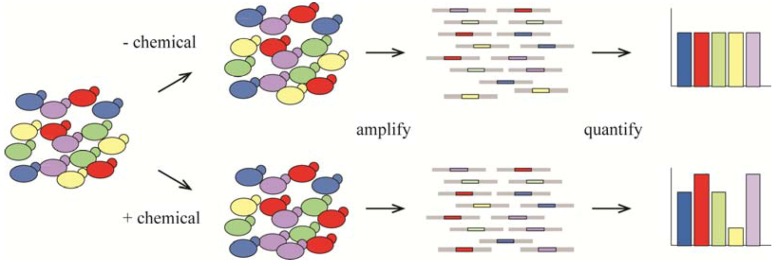
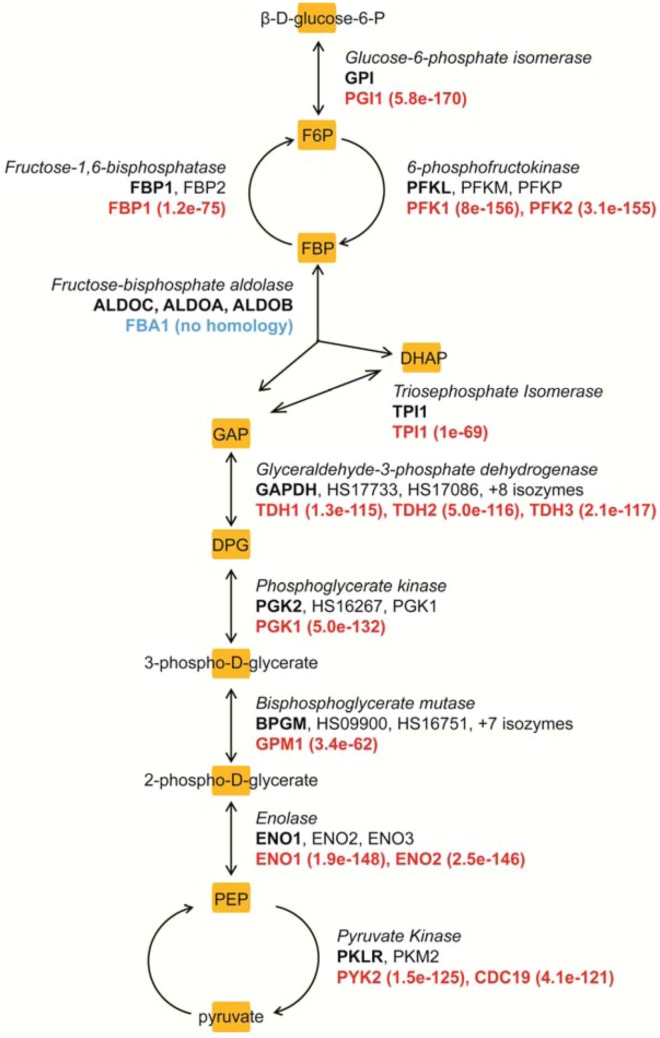
The many virtues that made the yeast Saccharomyces cerevisiae a dominant model organism for genetics and molecular biology, are now establishing its role in chemical genetics. Its experimental tractability (i.e., rapid doubling time, simple culture conditions) and the availability of powerful tools for drug-target identification, make yeast an ideal organism for high-throughput phenotypic screening. It may be especially applicable for the discovery of chemical probes targeting highly conserved cellular processes, such as metabolism and bioenergetics, because these probes would likely inhibit the same processes in higher eukaryotes (including man). Importantly, changes in normal cellular metabolism are associated with a variety of diseased states (including neurological disorders and cancer), and exploiting these changes for therapeutic purposes has accordingly gained considerable attention. Here, we review progress and challenges associated with forward chemical genetic screening in yeast. We also discuss evidence supporting these screens as a useful strategy for discovery of new chemical probes and new druggable targets related to cellular metabolism.
酵母酿酒酵母之所以成为遗传学和分子生物学的主要模式生物,是因为它具有许多优点,而现在它在化学遗传学中的作用也得到了确立。其实验可操作性(即快速的倍增时间、简单的培养条件)和用于药物靶标鉴定的强大工具的可用性,使酵母成为高通量表型筛选的理想生物。它可能特别适用于发现针对高度保守的细胞过程(如代谢和生物能量学)的化学探针,因为这些探针可能会抑制高等真核生物(包括人类)中的相同过程。重要的是,正常细胞代谢的变化与多种疾病状态(包括神经紊乱和癌症)有关,因此利用这些变化进行治疗已引起了相当大的关注。在这里,我们综述了在酵母中进行正向化学遗传筛选的进展和挑战。我们还讨论了支持这些筛选的证据,这些筛选是发现与细胞代谢有关的新化学探针和新可药物靶标的有用策略。