Department of Anesthesiology, The First Affiliated Hospital of Liaoning Medical University, Jinzhou, 121001, PR China.
BMC Public Health. 2012 Nov 12;12:967. doi: 10.1186/1471-2458-12-967.
Obesity increases the risk of many diseases. However, there has been little literature about the epidemiology of obesity classified by body mass index (BMI) or waist (abdominal obesity) among urban Chinese adults. This study is to fill the gap by assessing the prevalence of obesity and associated risk factors among urban Chinese adults.
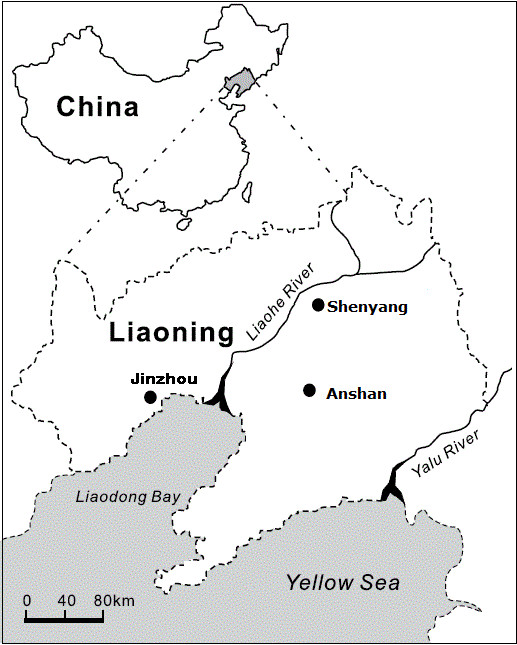
A representative sample of 25,196 urban adults aged 18 to 74 years in Northeast China was selected and measurements of height, weight and waist circumference (WC) were taken from 2009-2010. Definitions of overweight and obesity by the World Health Organization (WHO) were used.
The overall prevalence rates of general obesity and overweight classified by BMI were 15.0% (15.7% for men and 14.3% for women, p<0.01) and 19.2% (20.8% for men and 17.7% for women, p<0.01), respectively, and the overall prevalence rate of abdominal obesity was 37.6% (31.1% for men and women 43.9% for women, p<0.01). Multivariable logistic regression showed that the elderly and those who had a history of parental obesity, alcohol drinking, or former cigarette smoking were at high risk of obesity classified by BMI or WC, whereas those with a higher level of education, higher family income, or a healthy and balanced diet were at low risk of obesity. Analysis stratified by gender showed that men with a higher level education level, a white-collar job, a cadre job, or higher family income were the high risk group, and women with a higher level of education or higher family income were the low risk group.
Obesity and overweight have become epidemic in urban populations in China; associations of risk factors with obesity differ between men and women.
肥胖会增加许多疾病的风险。然而,对于中国城市成年人的肥胖症发病率,很少有文献按照身体质量指数(BMI)或腰围(腹部肥胖)进行分类。本研究旨在通过评估中国城市成年人的肥胖症患病率和相关危险因素来填补这一空白。
从 2009 年至 2010 年,在中国东北地区选择了一个具有代表性的 25196 名 18 至 74 岁的城市成年人样本,并测量了他们的身高、体重和腰围(WC)。使用世界卫生组织(WHO)的超重和肥胖定义。
总体而言,按照 BMI 分类的普通肥胖和超重的患病率分别为 15.0%(男性为 15.7%,女性为 14.3%,p<0.01)和 19.2%(男性为 20.8%,女性为 17.7%,p<0.01),而腹部肥胖的总体患病率为 37.6%(男性和女性均为 31.1%,女性为 43.9%,p<0.01)。多变量逻辑回归显示,老年人以及有父母肥胖、饮酒或以前吸烟史的人患 BMI 或 WC 分类肥胖的风险较高,而受教育程度较高、家庭收入较高或饮食健康均衡的人患肥胖的风险较低。按性别分层分析显示,受教育程度较高、白领工作、干部工作或家庭收入较高的男性是高风险组,而受教育程度较高或家庭收入较高的女性是低风险组。
肥胖症和超重症在中国城市人群中已成为流行疾病;危险因素与肥胖症之间的关联在男性和女性之间存在差异。