Hospital das Clínicas da Faculdade de Medicina da Universidade de São Paulo, Heart Institute (InCor), Thoracic Surgery Department, São Paulo/SP, Brazil.
Clinics (Sao Paulo). 2012 Nov;67(11):1265-9. doi: 10.6061/clinics/2012(11)07.
The standard therapy for patients with high-level spinal cord injury is long-term mechanical ventilation through a tracheostomy. However, in some cases, this approach results in death or disability. The aim of this study is to highlight the anesthetics and perioperative aspects of patients undergoing insertion of a diaphragmatic pacemaker.
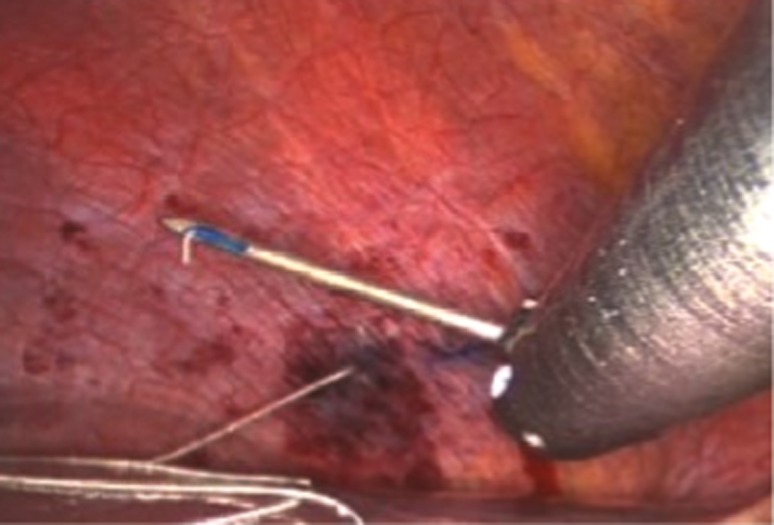
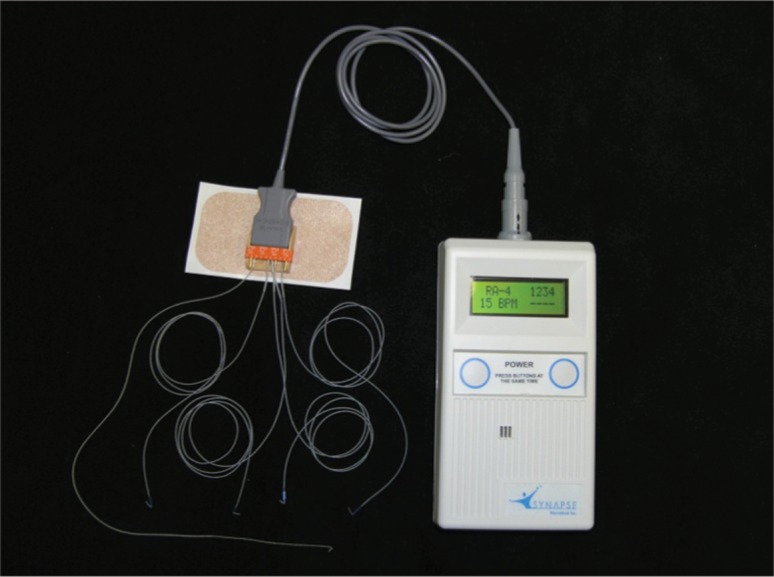
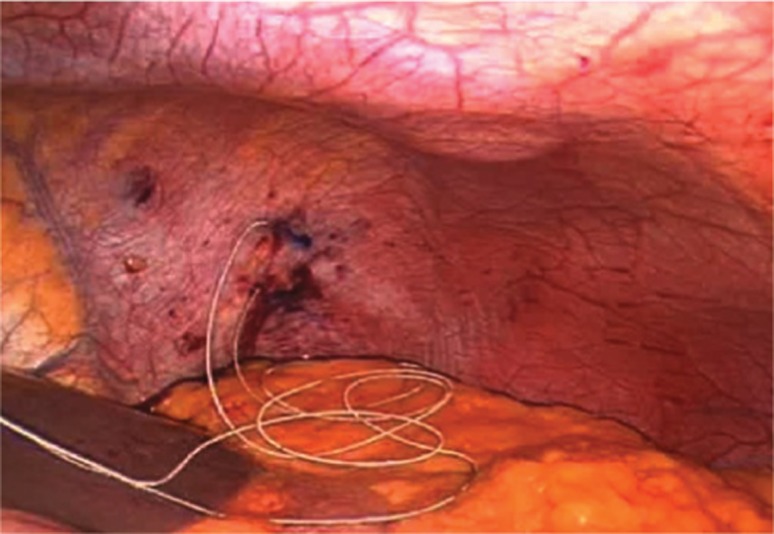
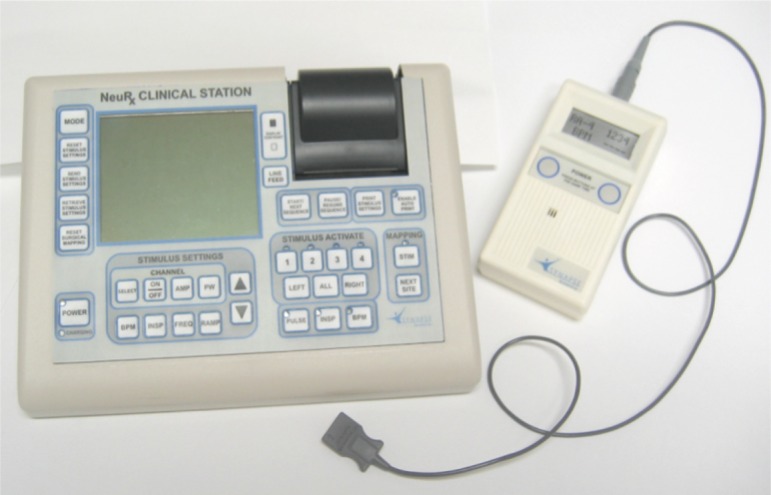
Five patients with quadriplegia following high cervical traumatic spinal cord injury and ventilator-dependent chronic respiratory failure were implanted with a laparoscopic diaphragmatic pacemaker after preoperative assessments of their phrenic nerve function and diaphragm contractility through transcutaneous nerve stimulation. ClinicalTrials.gov: NCT01385384.
The diaphragmatic pacemaker placement was successful in all of the patients. Two patients presented with capnothorax during the perioperative period, which resolved without consequences. After six months, three patients achieved continuous use of the diaphragm pacing system, and one patient could be removed from mechanical ventilation for more than 4 hours per day.
The implantation of a diaphragmatic phrenic system is a new and safe technique with potential to improve the quality of life of patients who are dependent on mechanical ventilation because of spinal cord injuries. Appropriate indication and adequate perioperative care are fundamental to achieving better results.
对于高位脊髓损伤患者,标准治疗方法是通过气管切开术进行长期机械通气。然而,在某些情况下,这种方法会导致死亡或残疾。本研究旨在强调接受膈肌起搏器植入术患者的麻醉和围手术期方面。
5 名因高位颈创伤性脊髓损伤而导致四肢瘫痪并伴有呼吸机依赖的慢性呼吸衰竭患者,在经过术前评估后,通过经皮神经刺激评估膈神经功能和膈肌收缩力,成功植入了腹腔镜膈肌起搏器。ClinicalTrials.gov:NCT01385384。
所有患者的膈肌起搏器均成功放置。2 名患者在围手术期出现气胸,但无并发症。6 个月后,3 名患者实现了膈肌起搏系统的持续使用,1 名患者每天可脱离机械通气 4 小时以上。
膈肌神经刺激器的植入是一种新的安全技术,有望提高因脊髓损伤而依赖机械通气的患者的生活质量。适当的适应证和充分的围手术期护理是取得更好效果的基础。