Szliszka Ewelina, Jaworska Dagmara, Ksek Małgorzata, Czuba Zenon P, Król Wojciech
Chair and Department of Microbiology and Immunology, Medical University of Silesia in Katowice, Jordana 19, 41-808 Zabrze, Poland.
Int J Mol Sci. 2012 Nov 20;13(11):15343-59. doi: 10.3390/ijms131115343.
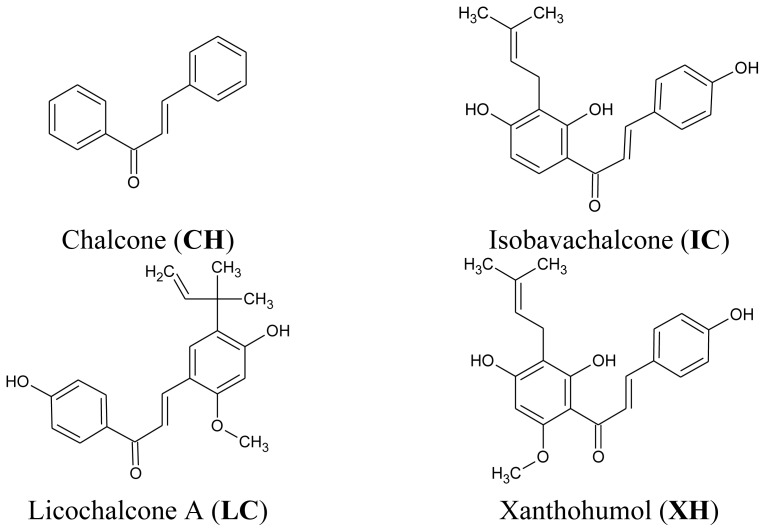
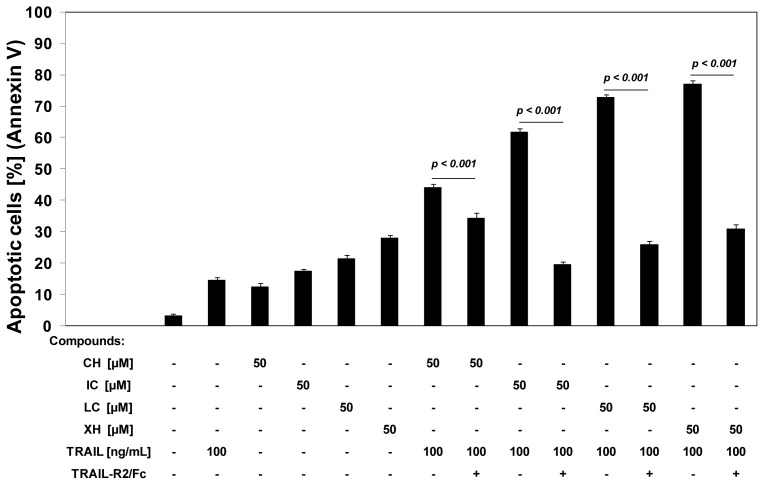
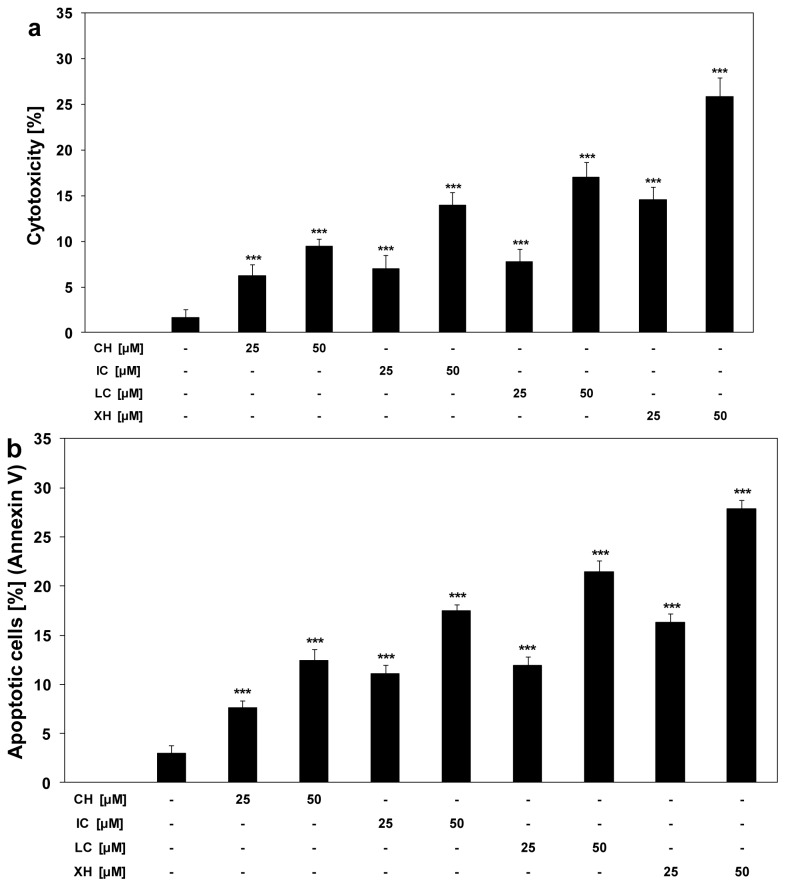
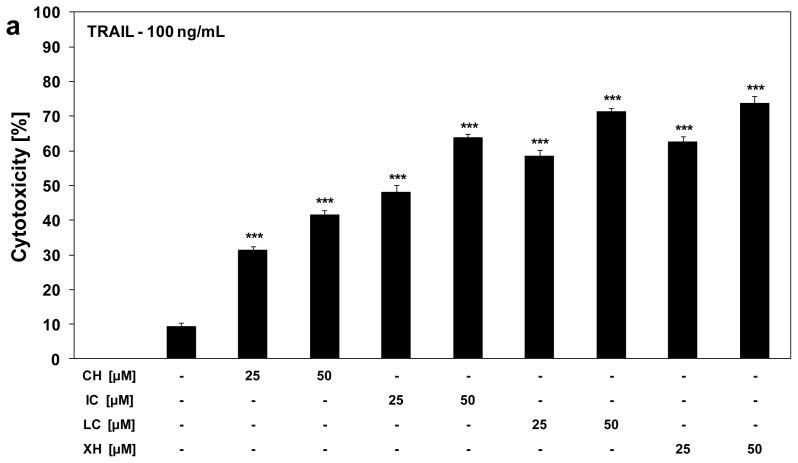
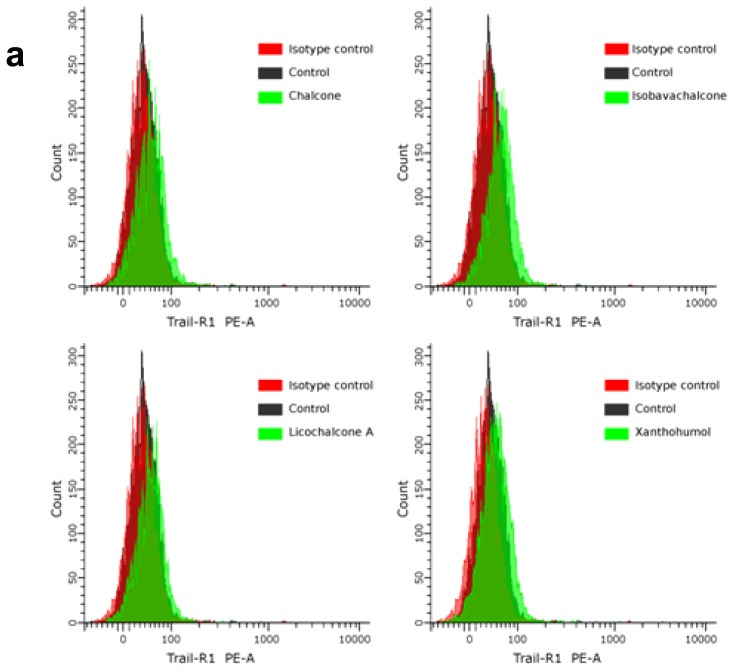
Tumor necrosis factor-related apoptosis-inducing ligand (TRAIL) induces apoptosis in cancer cells without toxicity to normal cells. TRAIL binds to death receptors, TRAIL-R1 (DR4) and TRAIL-R2 (DR5) expressed on cancer cell surface and activates apoptotic pathways. Endogenous TRAIL plays an important role in immune surveillance and defense against cancer cells. However, as more tumor cells are reported to be resistant to TRAIL mediated death, it is important to search for and develop new strategies to overcome this resistance. Chalcones can sensitize cancer cells to TRAIL-induced apoptosis. We examined the cytotoxic and apoptotic effects of TRAIL in combination with four chalcones: chalcone, isobavachalcone, licochalcone A and xanthohumol on HeLa cancer cells. The cytotoxicity was measured by MTT and LDH assays. The apoptosis was detected using annexin V-FITC staining by flow cytometry and fluorescence microscopy. Death receptor expression was analyzed using flow cytometry. The decreased expression of death receptors in cancer cells may be the cause of TRAIL-resistance. Chalcones enhance TRAIL-induced apoptosis in HeLa cells through increased expression of TRAIL-R2. Our study has indicated that chalcones augment the antitumor activity of TRAIL and confirm their cancer chemopreventive properties.
肿瘤坏死因子相关凋亡诱导配体(TRAIL)可诱导癌细胞凋亡,而对正常细胞无毒。TRAIL与癌细胞表面表达的死亡受体TRAIL-R1(DR4)和TRAIL-R2(DR5)结合并激活凋亡途径。内源性TRAIL在免疫监视和抵御癌细胞方面发挥重要作用。然而,随着越来越多的肿瘤细胞被报道对TRAIL介导的死亡具有抗性,寻找并开发新的策略来克服这种抗性变得很重要。查耳酮可使癌细胞对TRAIL诱导的凋亡敏感。我们研究了TRAIL与四种查耳酮:查耳酮、异补骨脂查耳酮、甘草查耳酮A和黄腐酚联合对HeLa癌细胞的细胞毒性和凋亡作用。通过MTT和LDH测定法测量细胞毒性。使用膜联蛋白V-FITC染色通过流式细胞术和荧光显微镜检测凋亡。使用流式细胞术分析死亡受体表达。癌细胞中死亡受体表达的降低可能是TRAIL抗性的原因。查耳酮通过增加TRAIL-R2的表达增强TRAIL诱导的HeLa细胞凋亡。我们的研究表明查耳酮增强了TRAIL的抗肿瘤活性并证实了它们的癌症化学预防特性。