Division of Endocrinology and Metabolism, Mayo Clinic College of Medicine, 200 First Street SW, Rochester, MN 55905, USA.
Cell Metab. 2012 Dec 5;16(6):777-88. doi: 10.1016/j.cmet.2012.11.003.
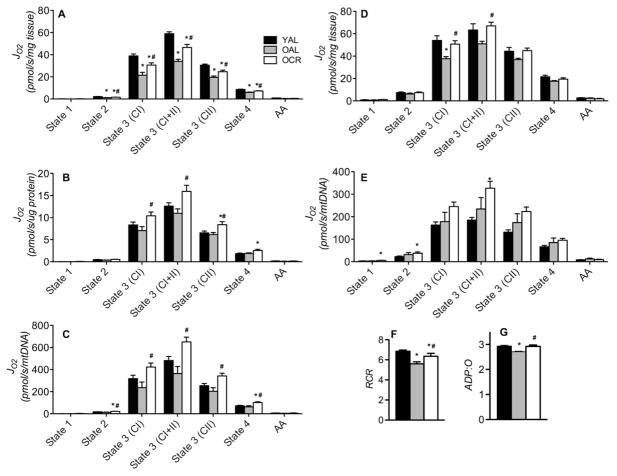
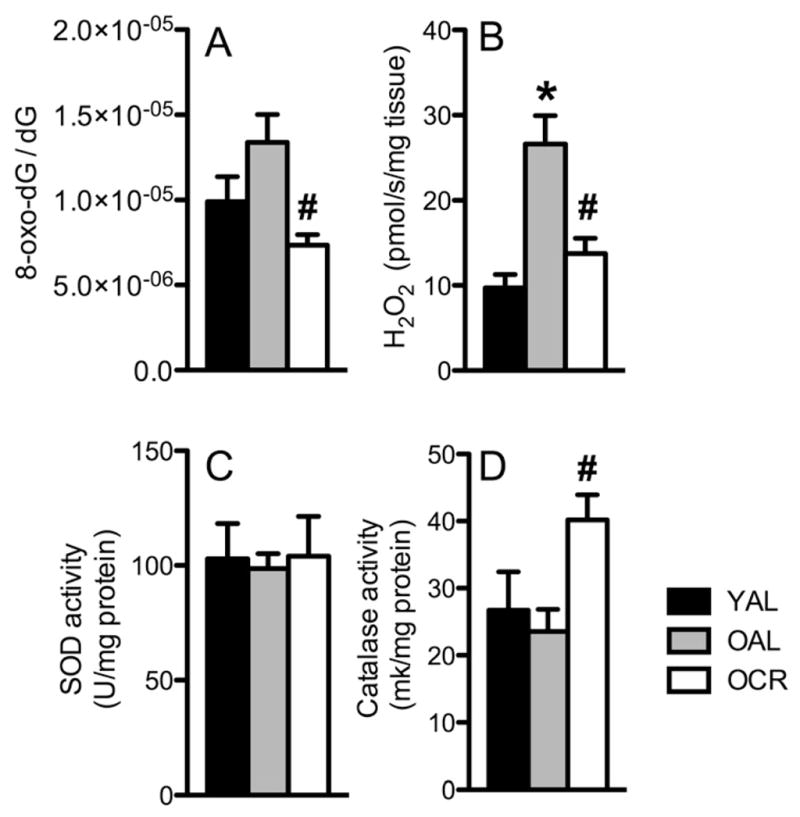
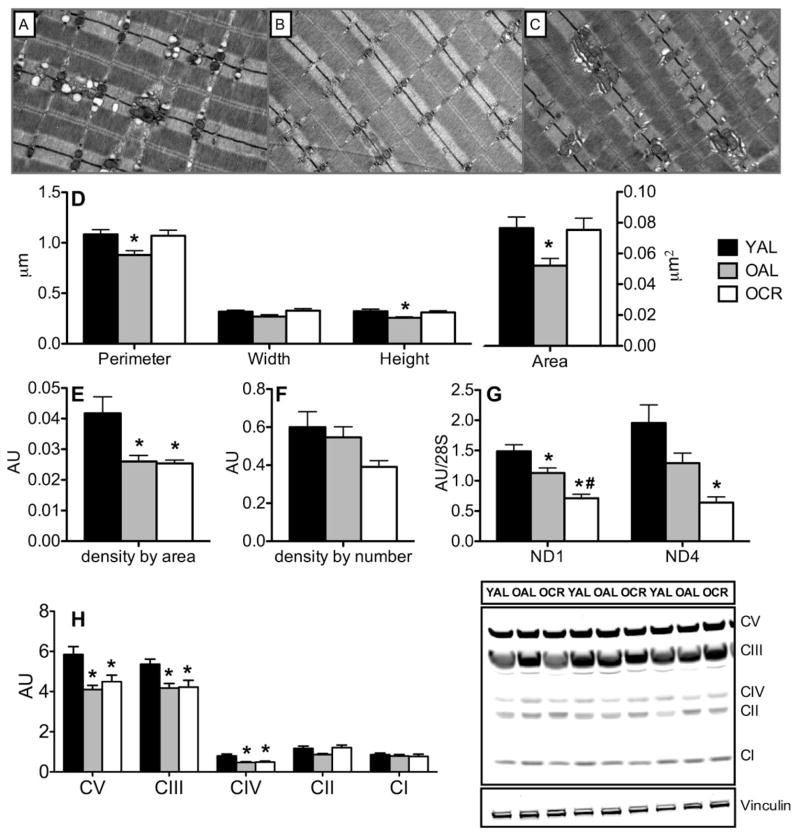
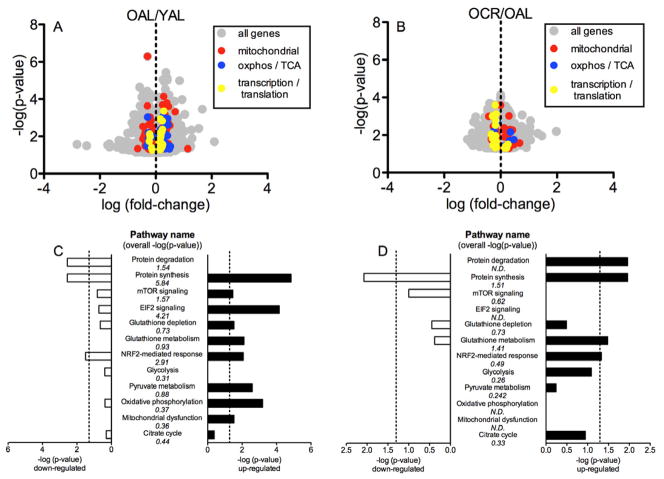
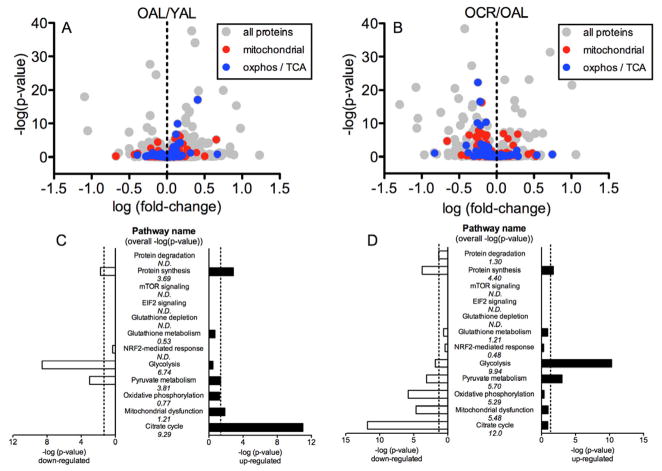
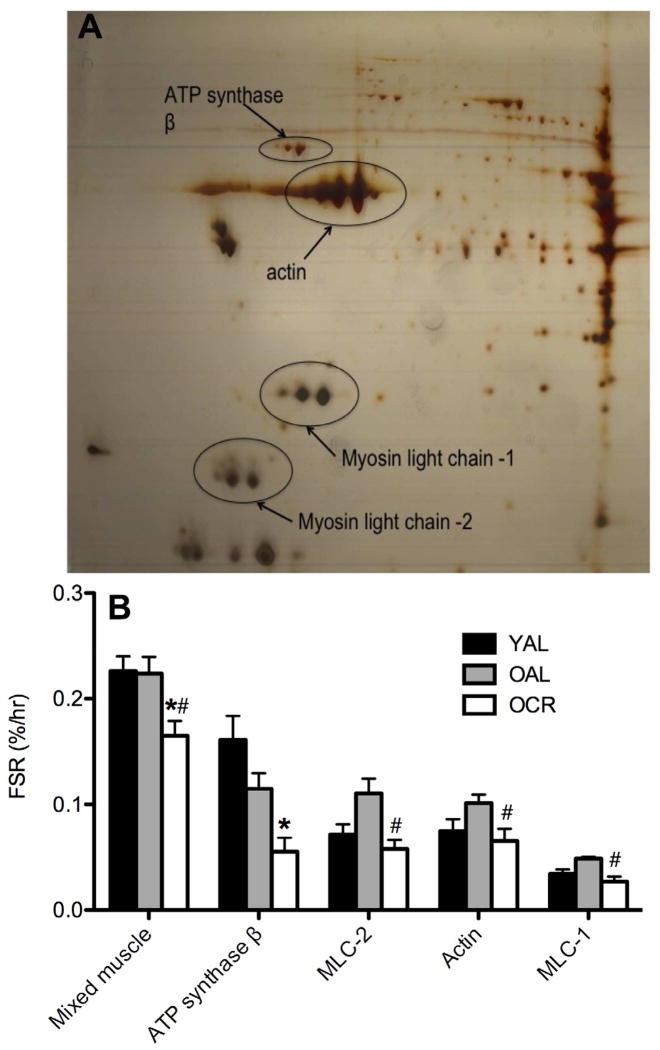
Caloric restriction (CR) mitigates many detrimental effects of aging and prolongs life span. CR has been suggested to increase mitochondrial biogenesis, thereby attenuating age-related declines in mitochondrial function, a concept that is challenged by recent studies. Here we show that lifelong CR in mice prevents age-related loss of mitochondrial oxidative capacity and efficiency, measured in isolated mitochondria and permeabilized muscle fibers. We find that these beneficial effects of CR occur without increasing mitochondrial abundance. Whole-genome expression profiling and large-scale proteomic surveys revealed expression patterns inconsistent with increased mitochondrial biogenesis, which is further supported by lower mitochondrial protein synthesis with CR. We find that CR decreases oxidant emission, increases antioxidant scavenging, and minimizes oxidative damage to DNA and protein. These results demonstrate that CR preserves mitochondrial function by protecting the integrity and function of existing cellular components rather than by increasing mitochondrial biogenesis.
热量限制(CR)减轻了衰老的许多不利影响,并延长了寿命。CR 被认为可以增加线粒体生物发生,从而减轻与年龄相关的线粒体功能下降,这一概念受到了最近研究的挑战。在这里,我们表明,在小鼠中终生的 CR 可以防止与年龄相关的线粒体氧化能力和效率的丧失,这是在分离的线粒体和透化的肌肉纤维中测量的。我们发现,这些 CR 的有益效果的发生并不伴随着线粒体丰度的增加。全基因组表达谱分析和大规模蛋白质组学调查显示,表达模式与增加线粒体生物发生不一致,这进一步得到了 CR 时线粒体蛋白合成降低的支持。我们发现 CR 可以减少氧化剂的排放,增加抗氧化剂的清除,最小化 DNA 和蛋白质的氧化损伤。这些结果表明,CR 通过保护现有细胞成分的完整性和功能来维持线粒体功能,而不是通过增加线粒体生物发生。