NUS Graduate School for Integrative Sciences and Engineering, Singapore.
BMC Bioinformatics. 2012;13 Suppl 17(Suppl 17):S15. doi: 10.1186/1471-2105-13-S17-S15. Epub 2012 Dec 13.
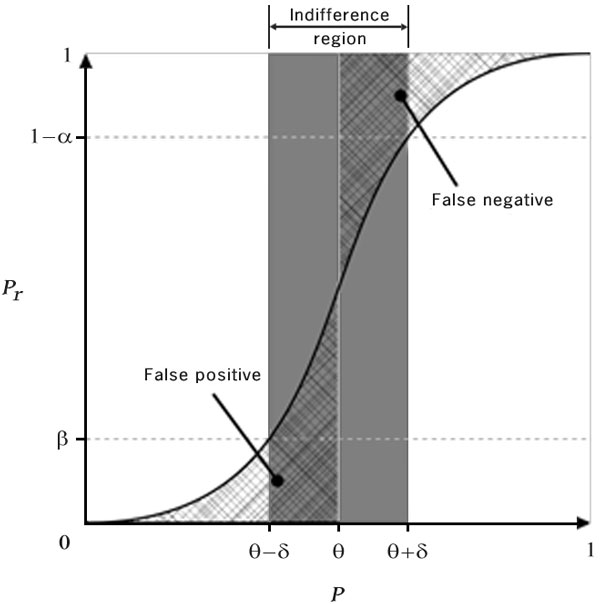
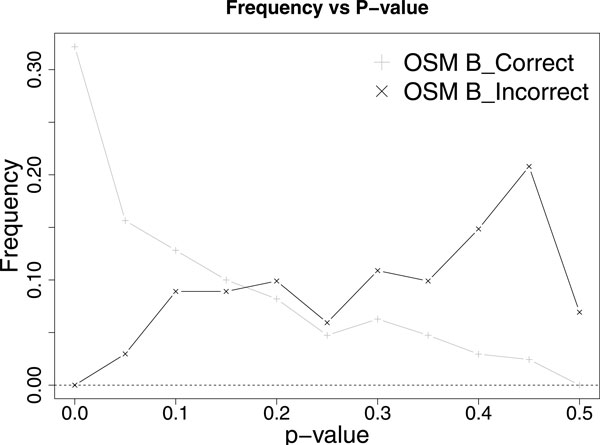
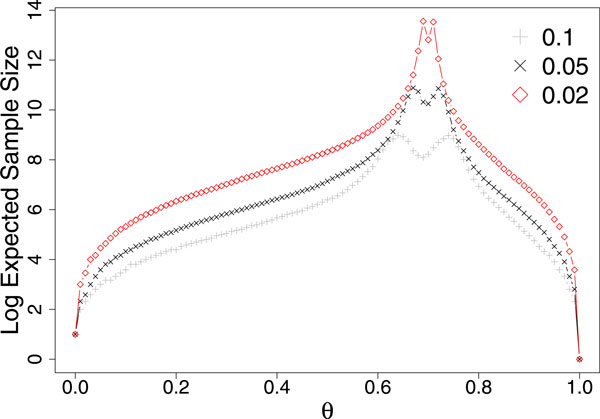
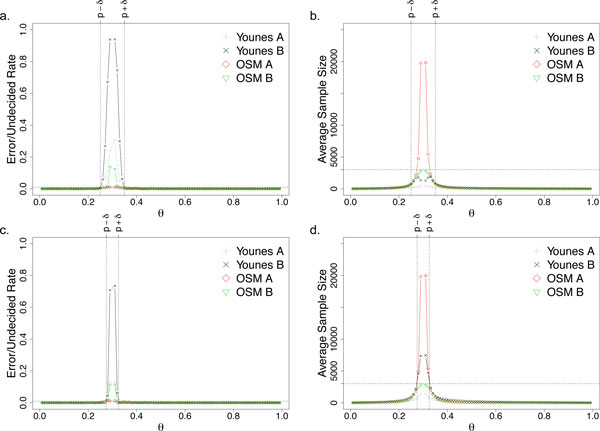
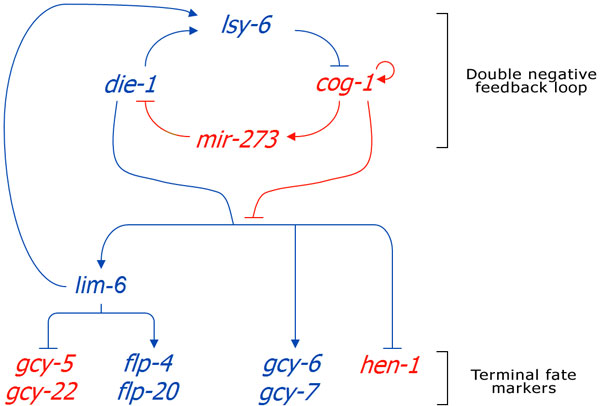
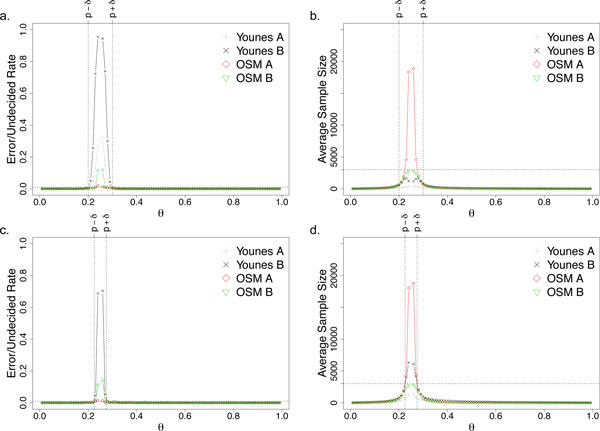
Statistical model checking techniques have been shown to be effective for approximate model checking on large stochastic systems, where explicit representation of the state space is impractical. Importantly, these techniques ensure the validity of results with statistical guarantees on errors. There is an increasing interest in these classes of algorithms in computational systems biology since analysis using traditional model checking techniques does not scale well. In this context, we present two improvements to existing statistical model checking algorithms. Firstly, we construct an algorithm which removes the need of the user to define the indifference region, a critical parameter in previous sequential hypothesis testing algorithms. Secondly, we extend the algorithm to account for the case when there may be a limit on the computational resources that can be spent on verifying a property; i.e, if the original algorithm is not able to make a decision even after consuming the available amount of resources, we resort to a p-value based approach to make a decision. We demonstrate the improvements achieved by our algorithms in comparison to current algorithms first with a straightforward yet representative example, followed by a real biological model on cell fate of gustatory neurons with microRNAs.
统计模型检查技术已被证明在对大型随机系统进行近似模型检查时非常有效,因为显式表示状态空间在实践中是不切实际的。重要的是,这些技术通过对错误的统计保证来确保结果的有效性。在计算系统生物学中,这些算法类越来越受到关注,因为使用传统模型检查技术的分析无法很好地扩展。在这种情况下,我们对现有的统计模型检查算法提出了两个改进。首先,我们构建了一个算法,该算法无需用户定义无差异区域,这是以前的序贯假设检验算法中的一个关键参数。其次,我们扩展了该算法,以考虑到可能存在用于验证属性的计算资源限制的情况;即,如果原始算法即使在消耗了可用资源的情况下仍无法做出决策,我们将采用基于 p 值的方法来做出决策。我们首先通过一个简单但具有代表性的示例,然后通过带有 microRNAs 的味觉神经元细胞命运的真实生物学模型,展示了我们的算法与当前算法相比所取得的改进。