Department of Medicine, Vanderbilt University, Nashville, TN 37232, USA.
J Gen Physiol. 2013 Feb;141(2):193-202. doi: 10.1085/jgp.201210919.
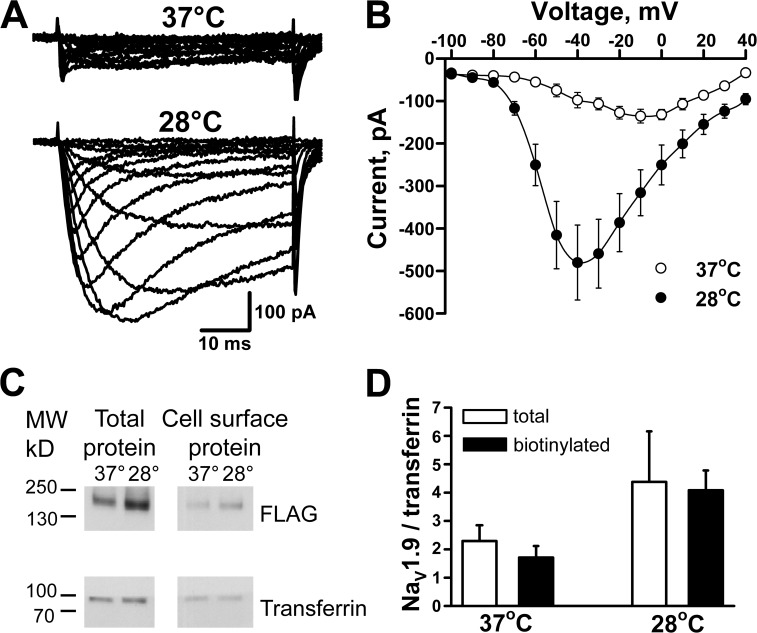
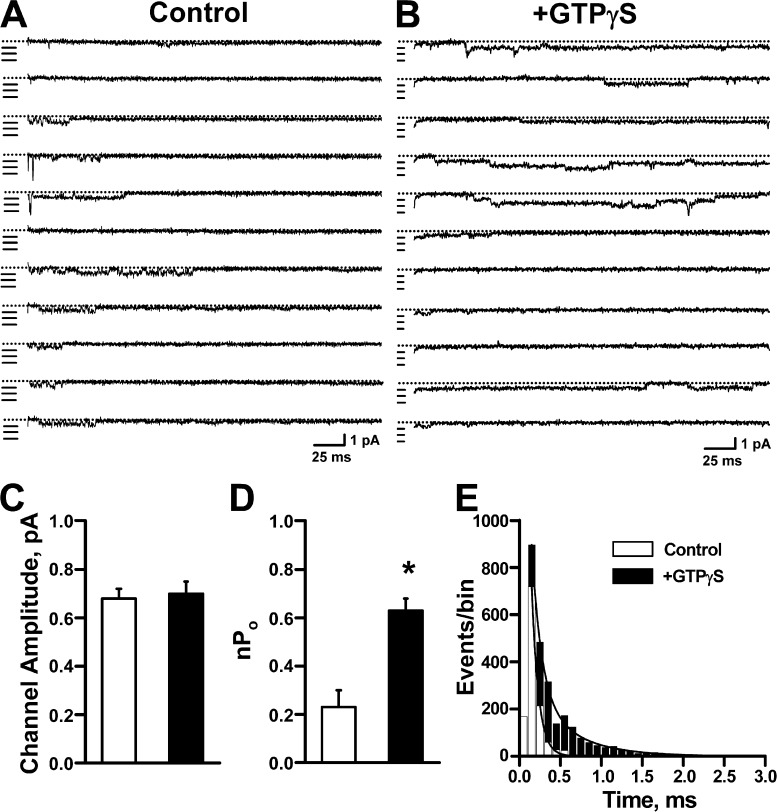
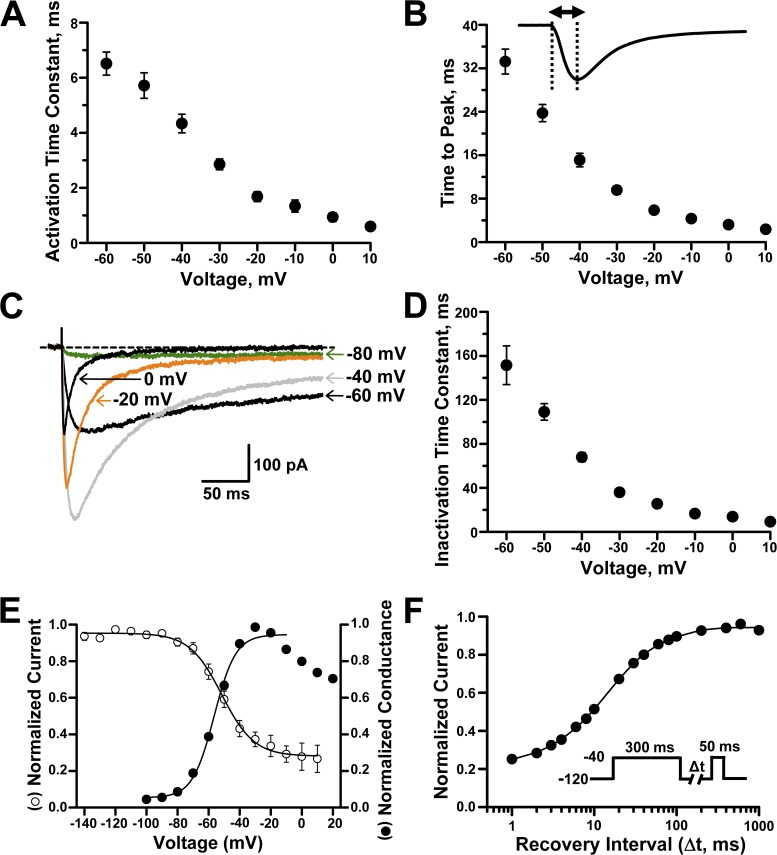
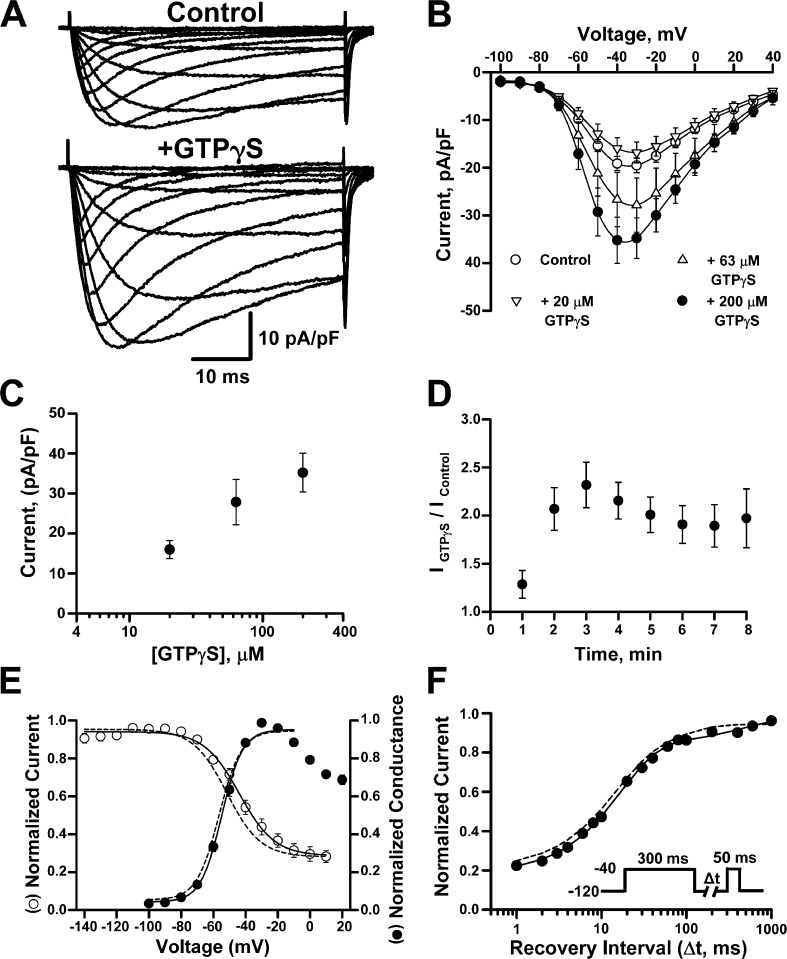
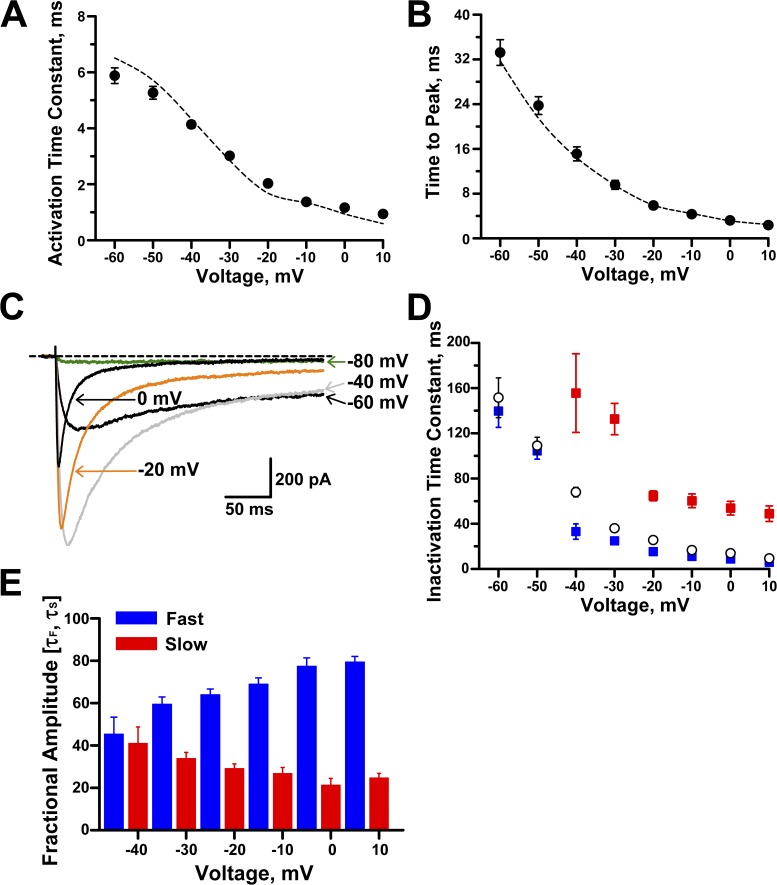
Tetrodotoxin (TTX)-resistant voltage-gated Na (Na(V)) channels have been implicated in nociception. In particular, Na(V)1.9 contributes to expression of persistent Na current in small diameter, nociceptive sensory neurons in dorsal root ganglia and is required for inflammatory pain sensation. Using ND7/23 cells stably expressing human Na(V)1.9, we elucidated the biophysical mechanisms responsible for potentiation of channel activity by G-protein signaling to better understand the response to inflammatory mediators. Heterologous Na(V)1.9 expression evoked TTX-resistant Na current with peak activation at -40 mV with extensive overlap in voltage dependence of activation and inactivation. Inactivation kinetics were slow and incomplete, giving rise to large persistent Na currents. Single-channel recording demonstrated long openings and correspondingly high open probability (P(o)) accounting for the large persistent current amplitude. Channels exposed to intracellular GTPγS, a proxy for G-protein signaling, exhibited twofold greater current density, slowing of inactivation, and a depolarizing shift in voltage dependence of inactivation but no change in activation voltage dependence. At the single-channel level, intracellular GTPγS had no effect on single-channel amplitude but caused an increased mean open time and greater P(o) compared with recordings made in the absence of GTPγS. We conclude that G-protein activation potentiates human Na(V)1.9 activity by increasing channel open probability and mean open time, causing the larger peak and persistent current, respectively. Our results advance our understanding about the mechanism of Na(V)1.9 potentiation by G-protein signaling during inflammation and provide a cellular platform useful for the discovery of Na(V)1.9 modulators with potential utility in treating inflammatory pain.
河豚毒素(TTX)抗性电压门控 Na(Na(V))通道与痛觉有关。特别是,Na(V)1.9 有助于在背根神经节中的小直径伤害感受神经元中表达持续的 Na 电流,并有助于炎症性疼痛感觉。使用稳定表达人 Na(V)1.9 的 ND7/23 细胞,我们阐明了负责通道活性增强的生物物理机制通过 G 蛋白信号转导,以更好地了解对炎症介质的反应。异源 Na(V)1.9 表达引发 TTX 抗性 Na 电流,其在-40 mV 时具有峰值激活,激活和失活的电压依赖性有很大重叠。失活动力学缓慢且不完全,导致大的持续 Na 电流。单通道记录显示长开放和相应的高开放概率(P(o)),这解释了大的持续电流幅度。暴露于细胞内 GTPγS 的通道,一种 G 蛋白信号的代表,表现出两倍的电流密度,失活减慢,失活的电压依赖性发生去极化偏移,但激活电压依赖性没有变化。在单通道水平上,细胞内 GTPγS 对单通道幅度没有影响,但与没有 GTPγS 记录相比,导致平均开放时间增加和 P(o)增加。我们得出结论,G 蛋白激活通过增加通道开放概率和平均开放时间来增强人 Na(V)1.9 的活性,分别导致更大的峰值和持续电流。我们的研究结果推进了我们对炎症期间 G 蛋白信号转导增强 Na(V)1.9 活性的机制的理解,并提供了一个有用的细胞平台,用于发现具有治疗炎症性疼痛潜力的 Na(V)1.9 调节剂。