Research Group of Quality, Safety and Bioactivity of Plant Foods, CEBAS-CSIC, 30100 Campus de Espinardo, Murcia, Spain.
Curr Pharm Des. 2013;19(34):6064-93. doi: 10.2174/13816128113199990407.
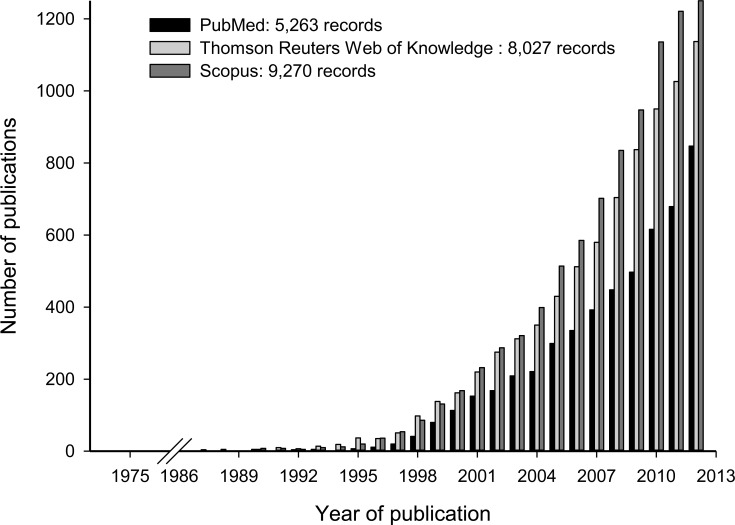
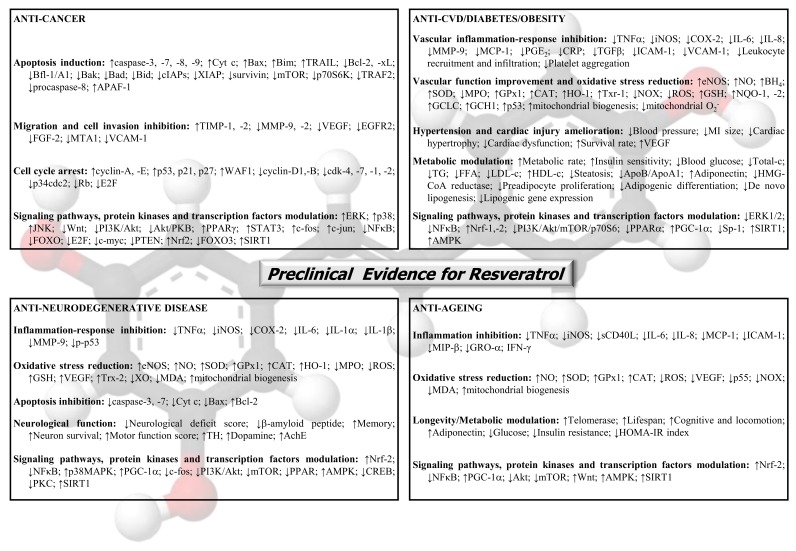
Resveratrol (3,5,4'-trihydroxy-trans-stilbene) is a non-flavonoid polyphenol that may be present in a limited number of foodstuffs such as grapes and red wine. Resveratrol has been reported to exert a plethora of health benefits through many different mechanisms of action. This versatility and presence in the human diet have drawn the worldwide attention of many research groups over the past twenty years, which has resulted in a huge output of in vitro and animal (preclinical) studies. In line with this expectation, many resveratrol- based nutraceuticals are consumed all over the world with questionable clinical/scientific support. In fact, the confirmation of these benefits in humans through randomized clinical trials is still very limited. The vast majority of preclinical studies have been performed using assay conditions with a questionable extrapolation to humans, i.e. too high concentrations with potential safety concerns (adverse effects and drug interactions), short-term exposures, in vitro tests carried out with non-physiological metabolites and/or concentrations, etc. Unfortunately, all these hypothesis-generating studies have contributed to increased the number of 'potential' benefits and mechanisms of resveratrol but confirmation in humans is very limited. Therefore, there are many issues that should be addressed to avoid an apparent endless loop in resveratrol research. The so-called 'Resveratrol Paradox', i.e., low bioavailability but high bioactivity, is a conundrum not yet solved in which the final responsible actor (if any) for the exerted effects has not yet been unequivocally identified. It is becoming evident that resveratrol exerts cardioprotective benefits through the improvement of inflammatory markers, atherogenic profile, glucose metabolism and endothelial function. However, safety concerns remain unsolved regarding chronic consumption of high RES doses, specially in medicated people. This review will focus on the currently available evidence regarding resveratrol's effects on humans obtained from randomized clinical trials. In addition, we will provide a critical outlook for further research on this molecule that is evolving from a minor dietary compound to a possible multi-target therapeutic drug.
白藜芦醇(3,5,4'-三羟基反式二苯乙烯)是一种非类黄酮多酚,可能存在于有限数量的食物中,如葡萄和红酒。白藜芦醇已被报道通过多种不同的作用机制发挥多种健康益处。这种多功能性和在人类饮食中的存在引起了过去二十年来全世界许多研究小组的关注,这导致了大量的体外和动物(临床前)研究。与此期望一致,许多基于白藜芦醇的营养保健品在全世界范围内被消费,但其临床/科学支持存在疑问。事实上,通过随机临床试验在人体中确认这些益处仍然非常有限。绝大多数临床前研究都是在与人体外推具有疑问的测定条件下进行的,即浓度过高,存在安全隐患(不良反应和药物相互作用),短期暴露,使用非生理代谢物和/或浓度进行的体外测试等。不幸的是,所有这些产生假说的研究都增加了白藜芦醇的“潜在”益处和机制数量,但在人体中的确证非常有限。因此,有许多问题需要解决,以避免白藜芦醇研究中的明显循环。所谓的“白藜芦醇悖论”,即生物利用度低但生物活性高,是一个尚未解决的难题,其中发挥作用的最终责任因素(如果有的话)尚未明确确定。显然,白藜芦醇通过改善炎症标志物、动脉粥样硬化特征、葡萄糖代谢和内皮功能来发挥心脏保护作用。然而,关于高 RES 剂量的慢性消耗的安全性问题仍未得到解决,特别是在用药人群中。本综述将重点介绍从随机临床试验中获得的关于白藜芦醇对人体影响的现有证据。此外,我们将对这种分子的进一步研究提供批判性展望,这种分子正从一种次要的饮食化合物演变为一种可能的多靶点治疗药物。