Department of Health Science, POLARIS Research Center, University of Milan-Bicocca, 48 Via Cadore, 20900 Monza, Italy.
Biomed Res Int. 2013;2013:583513. doi: 10.1155/2013/583513. Epub 2012 Dec 27.
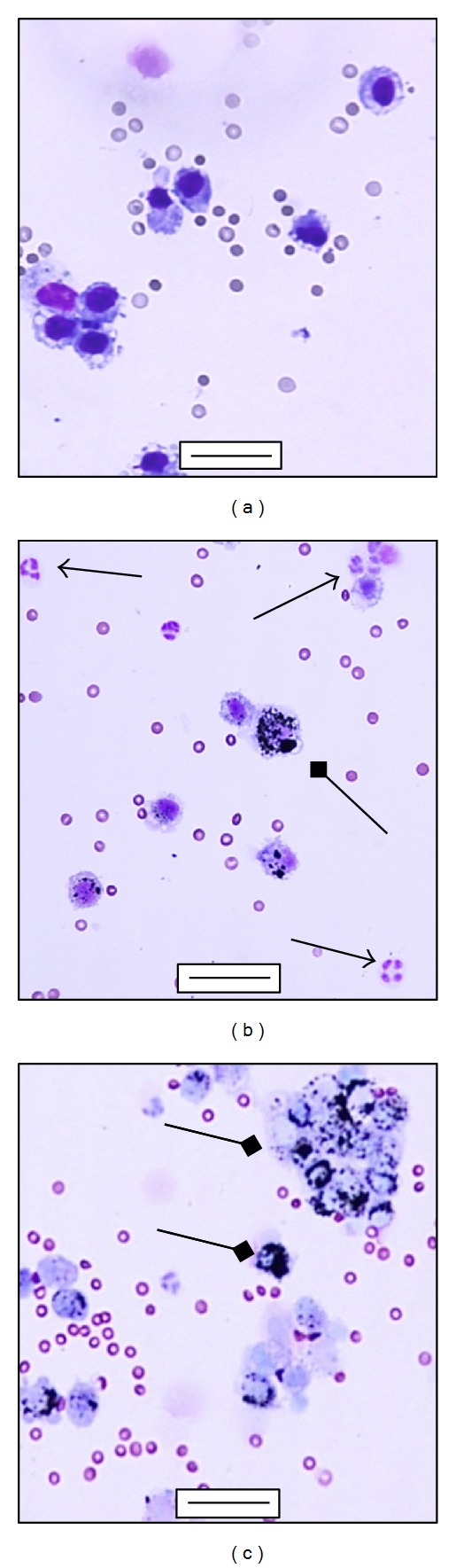
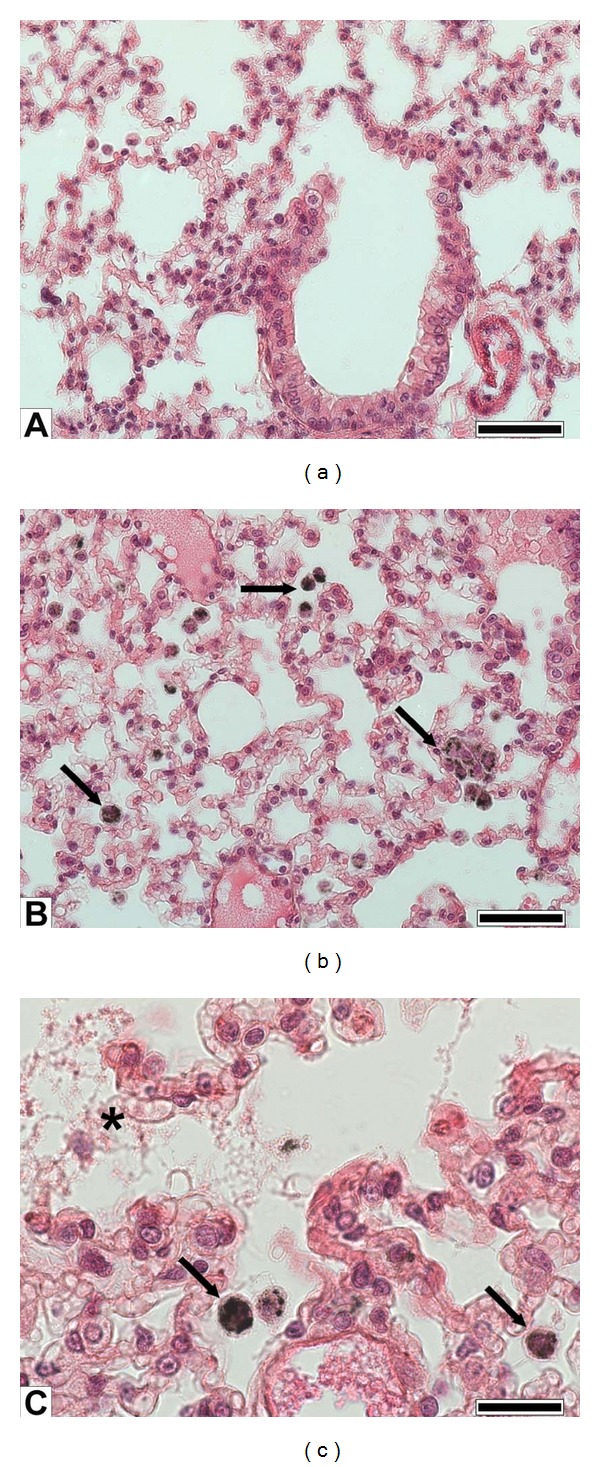
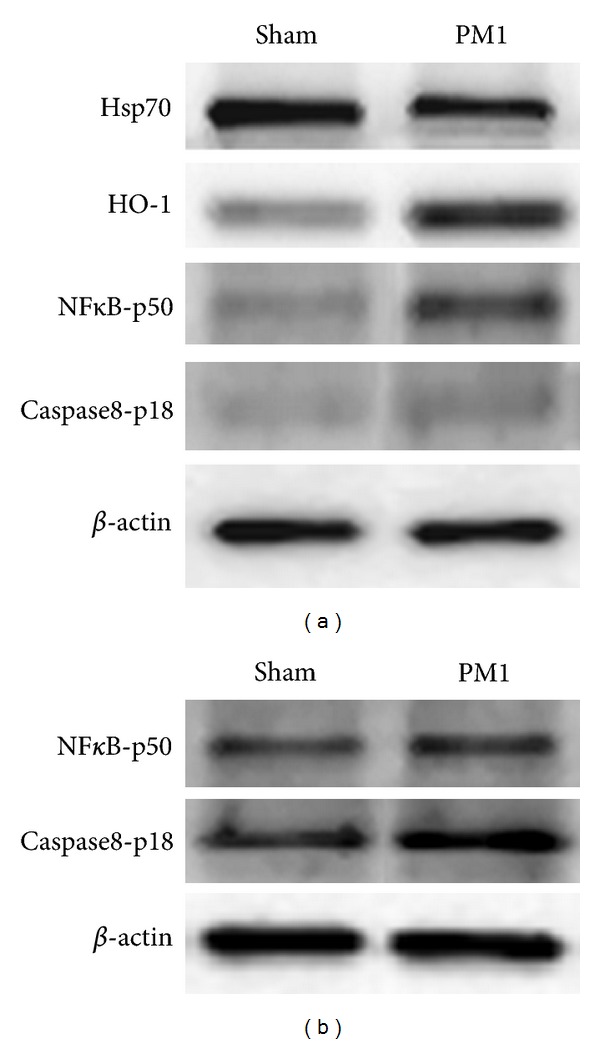
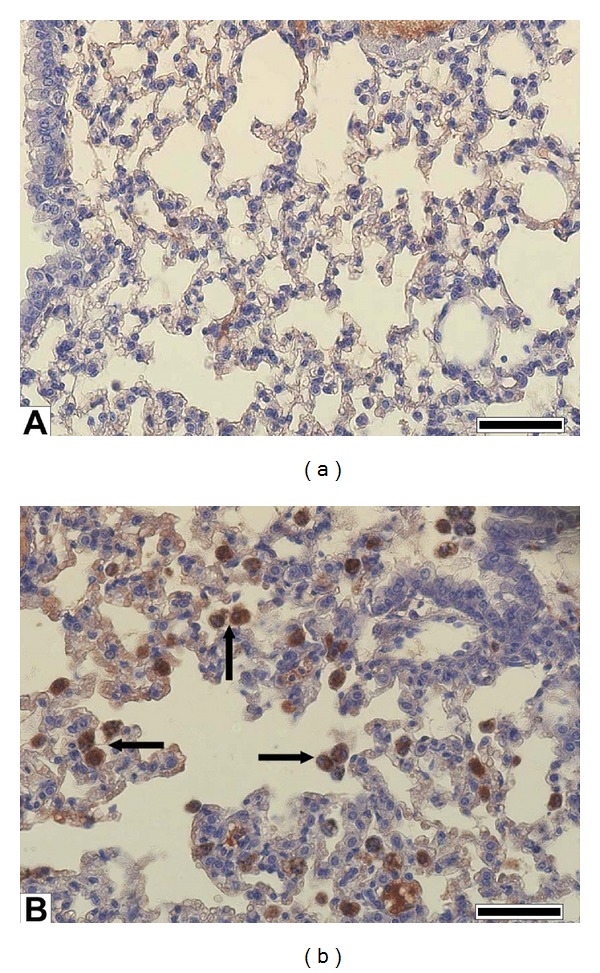
Recent studies have suggested a link between inhaled particulate matter (PM) exposure and increased mortality and morbidity associated with cardiorespiratory diseases. Since the response to PM1 has not yet been deeply investigated, its impact on mice lungs and cardiovascular system is here examined. A repeated exposure to Milan PM1 was performed on BALB/c mice. The bronchoalveolar lavage fluid (BALf) and the lung parenchyma were screened for markers of inflammation (cell counts, tumor necrosis factor-α (TNF-α); macrophage inflammatory protein-2 (MIP-2); heme oxygenase-1 (HO-1); nuclear factor kappa-light-chain-enhancer of activated B cells p50 subunit (NFκB-p50); inducible nitric oxide synthetase (iNOS); endothelial-selectin (E-selectin)), cytotoxicity (lactate dehydrogenase (LDH); alkaline phosphatase (ALP); heat shock protein 70 (Hsp70); caspase-8-p18), and a putative pro-carcinogenic marker (cytochrome 1B1 (Cyp1B1)). Heart tissue was tested for HO-1, caspase-8-p18, NFκB-p50, iNOS, E-selectin, and myeloperoxidase (MPO); plasma was screened for markers of platelet activation and clot formation (soluble platelet-selectin (sP-selectin); fibrinogen; plasminogen activator inhibitor 1 (PAI-1)). PM1 triggers inflammation and cytotoxicity in lungs. A similar cytotoxic effect was observed on heart tissues, while plasma analyses suggest blood-endothelium interface activation. These data highlight the importance of lung inflammation in mediating adverse cardiovascular events following increase in ambient PM1 levels, providing evidences of a positive correlation between PM1 exposure and cardiovascular morbidity.
最近的研究表明,吸入的颗粒物(PM)暴露与心肺疾病相关的死亡率和发病率增加之间存在关联。由于对 PM1 的反应尚未得到深入研究,因此本文研究了其对小鼠肺部和心血管系统的影响。对 BALB/c 小鼠进行了重复暴露于米兰 PM1 的实验。对支气管肺泡灌洗液(BALf)和肺实质进行了炎症标志物(细胞计数、肿瘤坏死因子-α(TNF-α);巨噬细胞炎症蛋白-2(MIP-2);血红素加氧酶-1(HO-1);核因子 kappa-轻链增强子的 B 细胞 p50 亚单位(NFκB-p50);诱导型一氧化氮合酶(iNOS);内皮选择素(E-selectin))、细胞毒性(乳酸脱氢酶(LDH);碱性磷酸酶(ALP);热休克蛋白 70(Hsp70);半胱天冬酶-8-p18)和潜在的促癌标志物(细胞色素 1B1(Cyp1B1))的筛查。对心脏组织进行了 HO-1、半胱天冬酶-8-p18、NFκB-p50、iNOS、E-selectin 和髓过氧化物酶(MPO)的检测;对血浆进行了血小板激活和血栓形成标志物(可溶性血小板选择素(sP-selectin);纤维蛋白原;纤溶酶原激活物抑制剂 1(PAI-1))的筛查。PM1 可引发肺部炎症和细胞毒性。在心脏组织中观察到类似的细胞毒性作用,而血浆分析表明血液内皮界面激活。这些数据强调了肺部炎症在介导环境 PM1 水平升高后不良心血管事件中的重要性,为 PM1 暴露与心血管发病率之间的正相关关系提供了证据。