Department of Infectious Diseases, Division of Parasitology, Faculty of Medicine, University of Miyazaki, Miyazaki, Japan.
PLoS One. 2013;8(3):e58458. doi: 10.1371/journal.pone.0058458. Epub 2013 Mar 13.
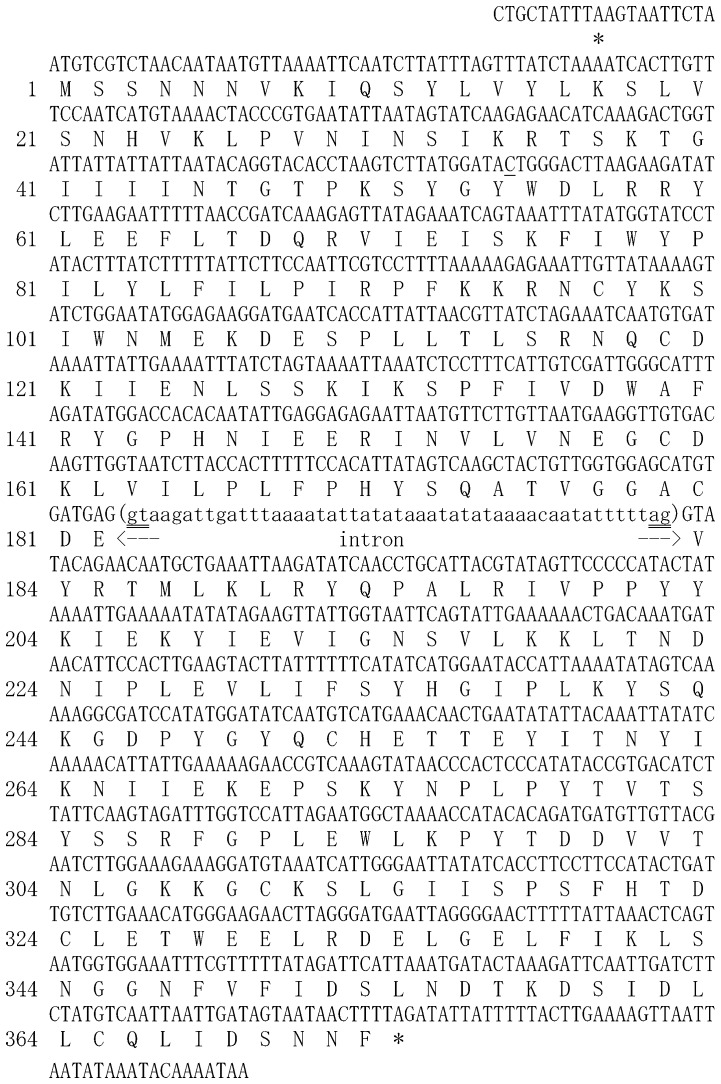
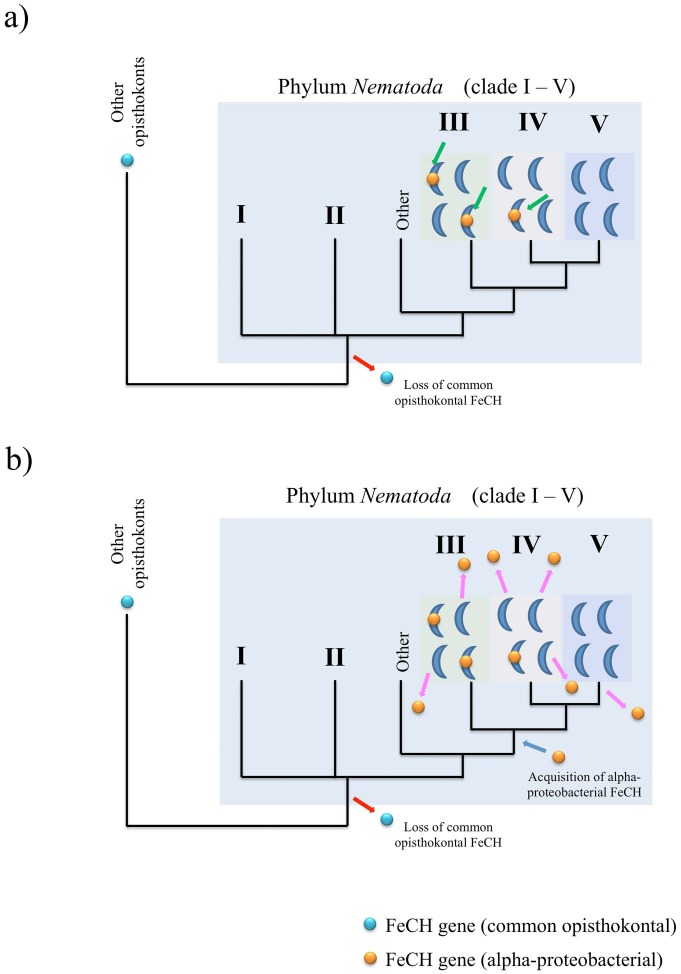
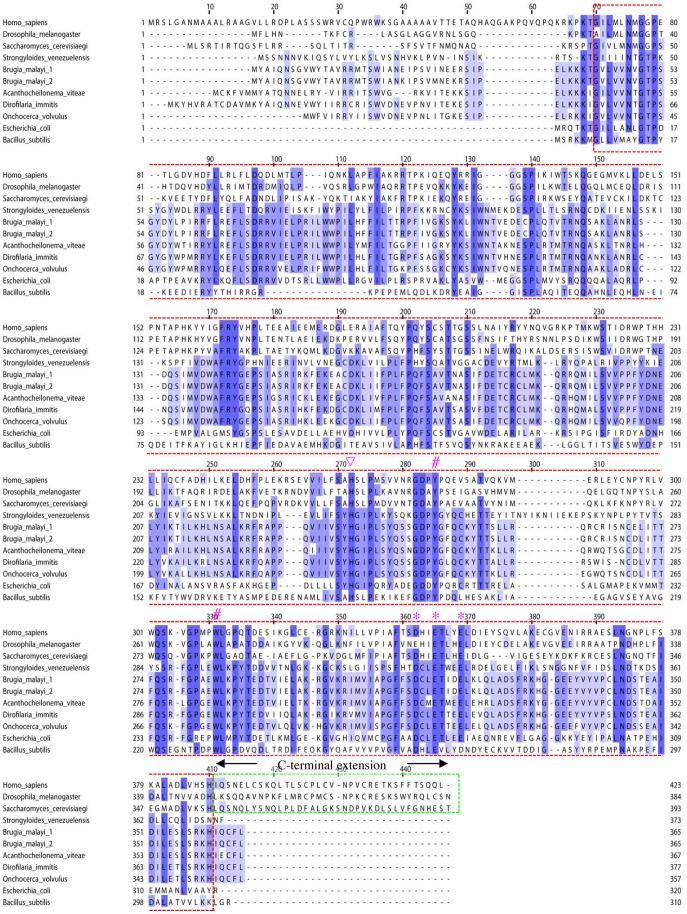
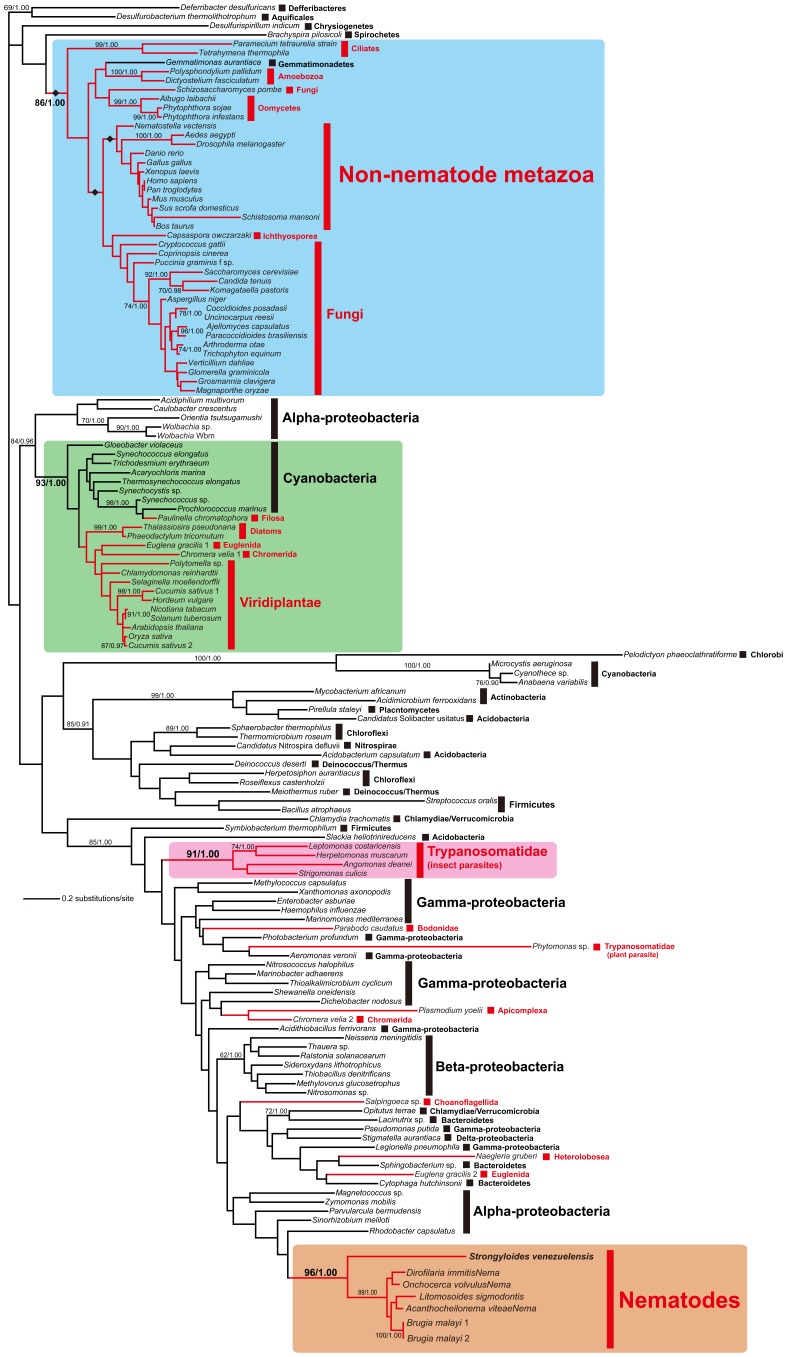
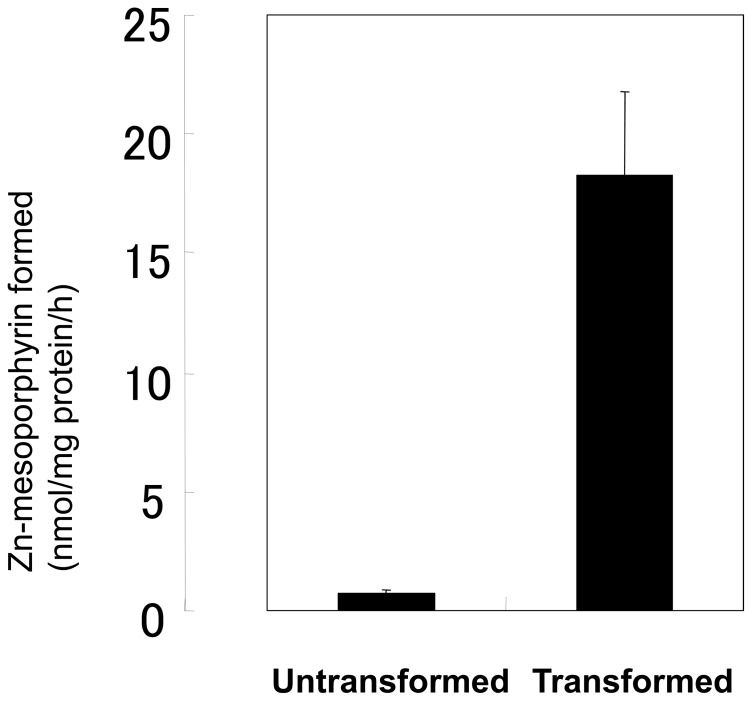
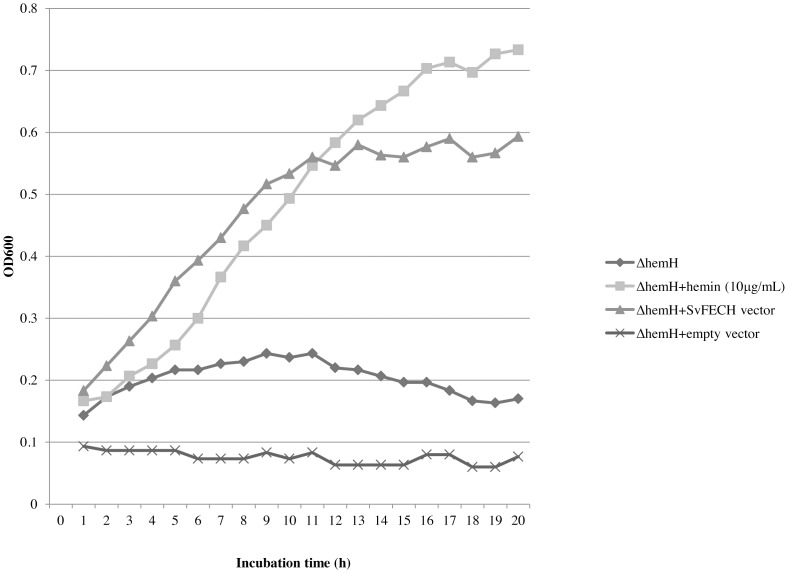
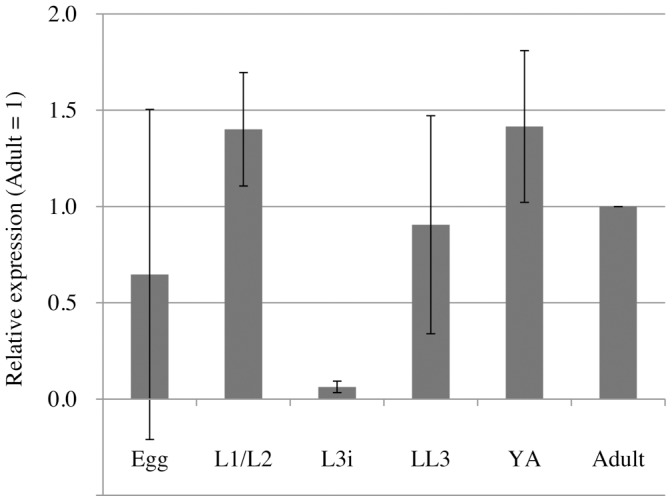
Heme is an essential molecule for vast majority of organisms serving as a prosthetic group for various hemoproteins. Although most organisms synthesize heme from 5-aminolevulinic acid through a conserved heme biosynthetic pathway composed of seven consecutive enzymatic reactions, nematodes are known to be natural heme auxotrophs. The completely sequenced Caenorhabditis elegans genome, for example, lacks all seven genes for heme biosynthesis. However, genome/transcriptome sequencing of Strongyloides venezuelensis, an important model nematode species for studying human strongyloidiasis, indicated the presence of a gene for ferrochelatase (FeCH), which catalyzes the terminal step of heme biosynthesis, whereas the other six heme biosynthesis genes are apparently missing. Phylogenetic analyses indicated that nematode FeCH genes, including that of S. venezuelensis (SvFeCH) have a fundamentally different evolutionally origin from the FeCH genes of non-nematode metazoa. Although all non-nematode metazoan FeCH genes appear to be inherited vertically from an ancestral opisthokont, nematode FeCH may have been acquired from an alpha-proteobacterium, horizontally. The identified SvFeCH sequence was found to function as FeCH as expected based on both in vitro chelatase assays using recombinant SvFeCH and in vivo complementation experiments using an FeCH-deficient strain of Escherichia coli. Messenger RNA expression levels during the S. venezuelensis lifecycle were examined by real-time RT-PCR. SvFeCH mRNA was expressed at all the stages examined with a marked reduction at the infective third-stage larvae. Our study demonstrates the presence of a bacteria-like FeCH gene in the S. venezuelensis genome. It appeared that S. venezuelensis and some other animal parasitic nematodes reacquired the once-lost FeCH gene. Although the underlying evolutionary pressures that necessitated this reacquisition remain to be investigated, it is interesting that the presence of FeCH genes in the absence of other heme biosynthesis genes has been reported only for animal pathogens, and this finding may be related to nutritional availability in animal hosts.
血红素是绝大多数生物体必不可少的分子,作为各种血红素蛋白的辅基。尽管大多数生物体通过由七个连续酶促反应组成的保守血红素生物合成途径从 5-氨基乙酰丙酸合成血红素,但众所周知,线虫是天然的血红素营养缺陷型生物。例如,完全测序的秀丽隐杆线虫基因组缺乏血红素生物合成的所有七个基因。然而,对线虫重要模式生物旋毛虫的基因组/转录组测序表明,存在一个亚铁螯合酶(FeCH)基因,该基因催化血红素生物合成的最后一步,而其他六个血红素生物合成基因显然缺失。系统发育分析表明,包括旋毛虫(SvFeCH)在内的线虫 FeCH 基因与非线虫后生动物的 FeCH 基因在进化起源上有根本的不同。尽管所有非线虫后生动物的 FeCH 基因似乎都是从一个祖先的后口动物垂直遗传而来,但线虫的 FeCH 可能是从α-变形菌水平获得的。根据使用重组 SvFeCH 的体外螯合酶测定和使用缺乏 FeCH 的大肠杆菌菌株的体内互补实验,鉴定出的 SvFeCH 序列被发现具有 FeCH 功能。通过实时 RT-PCR 检查旋毛虫生命周期中的信使 RNA 表达水平。SvFeCH mRNA 在所有检查阶段均有表达,在感染性第三期幼虫阶段表达明显减少。本研究证明了 SvFeCH 基因在旋毛虫基因组中的存在。似乎旋毛虫和其他一些动物寄生线虫重新获得了曾经丢失的 FeCH 基因。虽然需要重新获得这种基因的潜在进化压力仍有待研究,但有趣的是,仅在动物病原体中报道了 FeCH 基因的存在而没有其他血红素生物合成基因,这一发现可能与动物宿主中的营养可用性有关。