Department of Microbiology and Immunology, University of Melbourne, Melbourne, Victoria, Australia.
PLoS One. 2013;8(3):e59623. doi: 10.1371/journal.pone.0059623. Epub 2013 Mar 27.
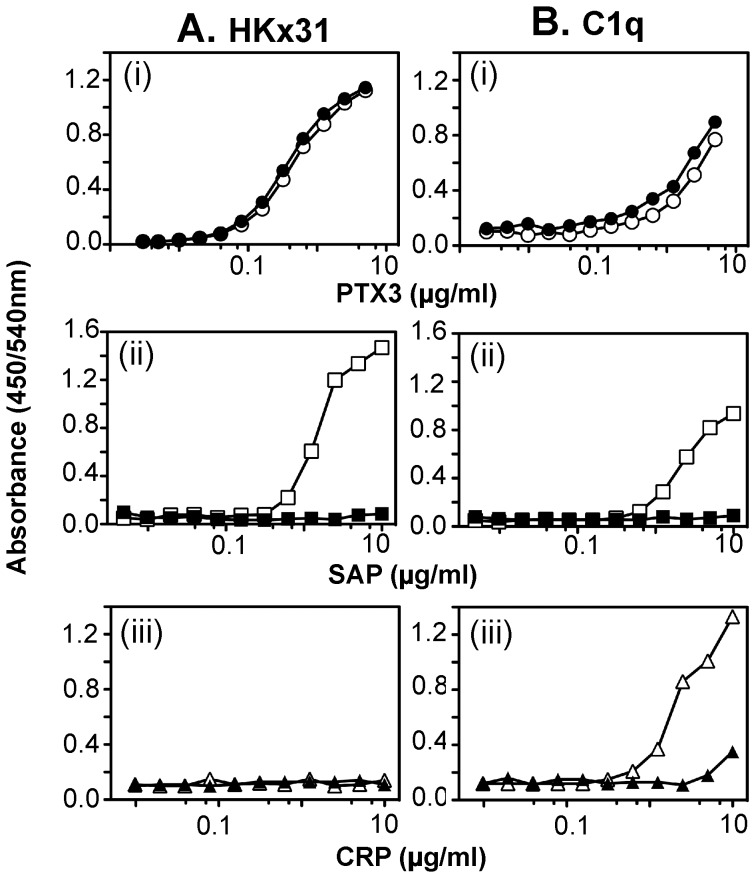
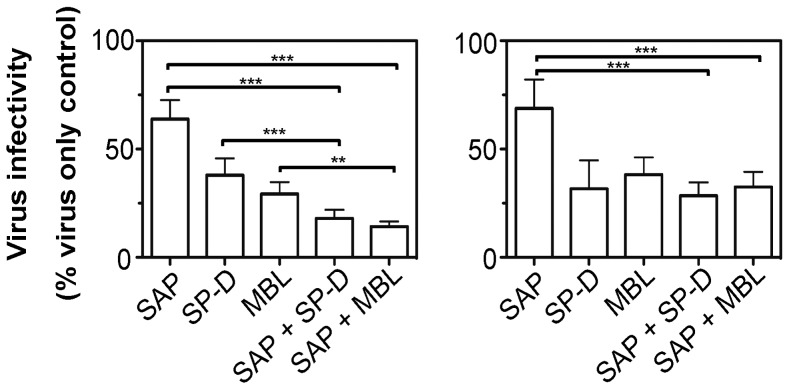
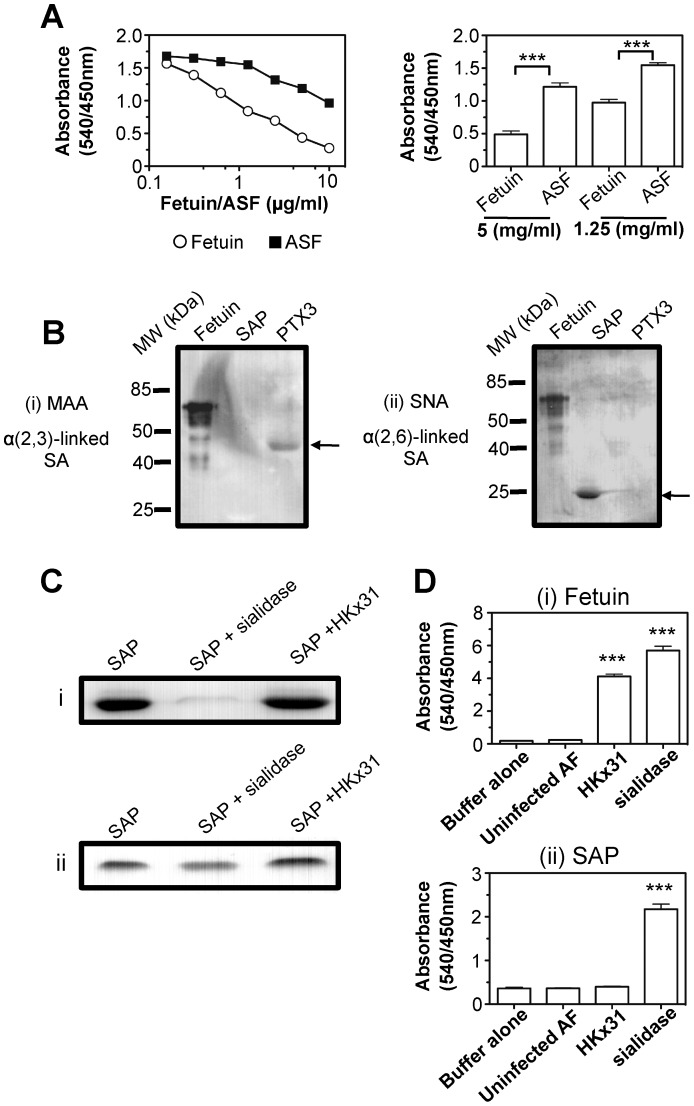
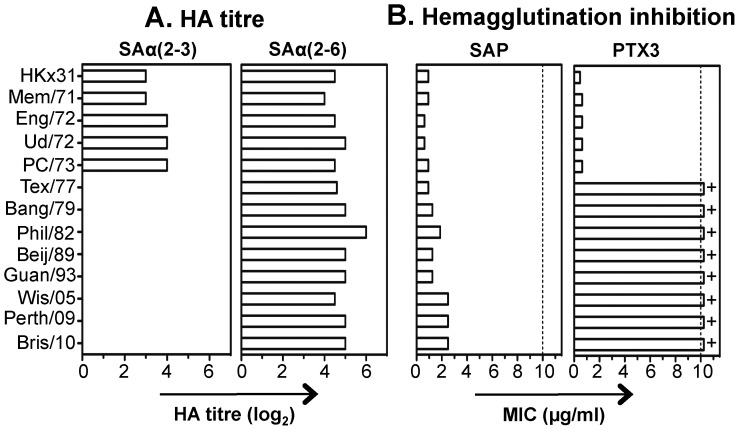
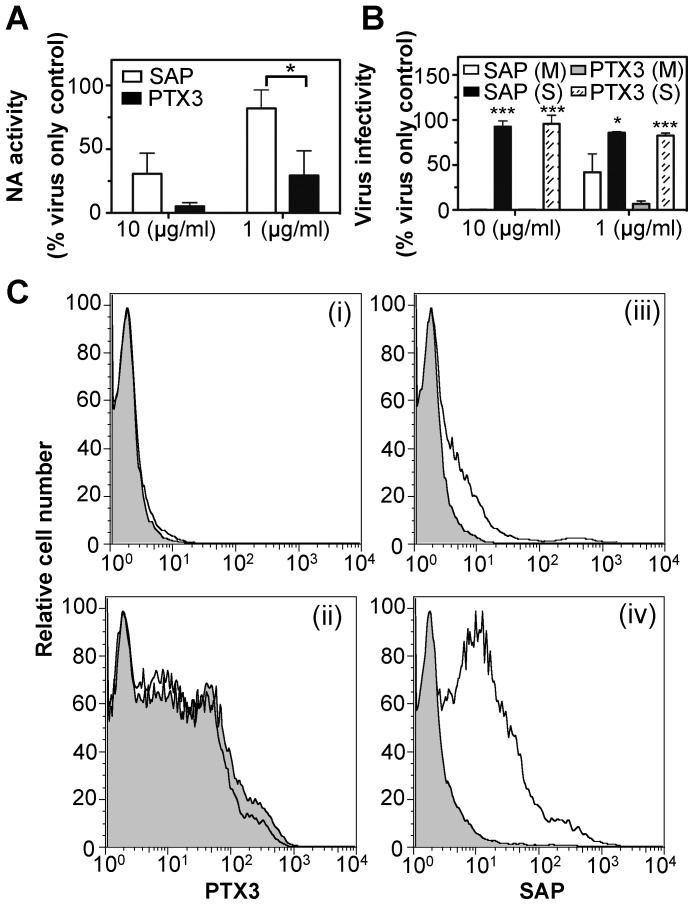
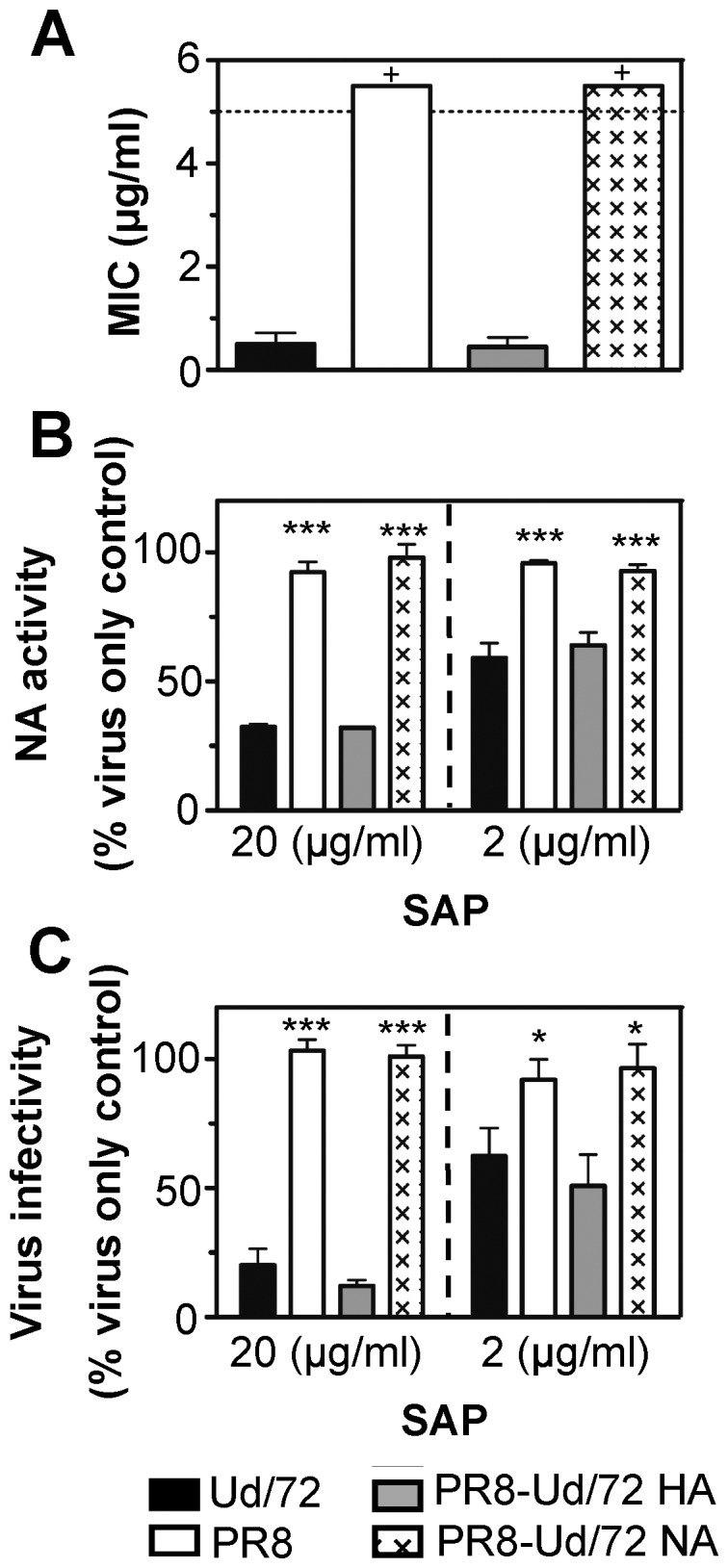
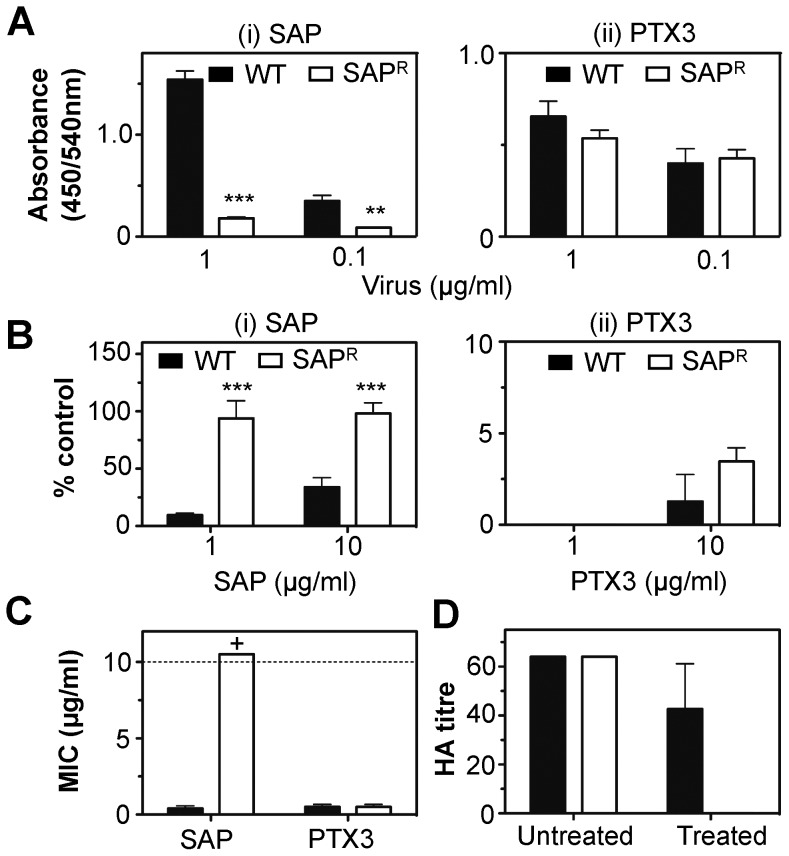
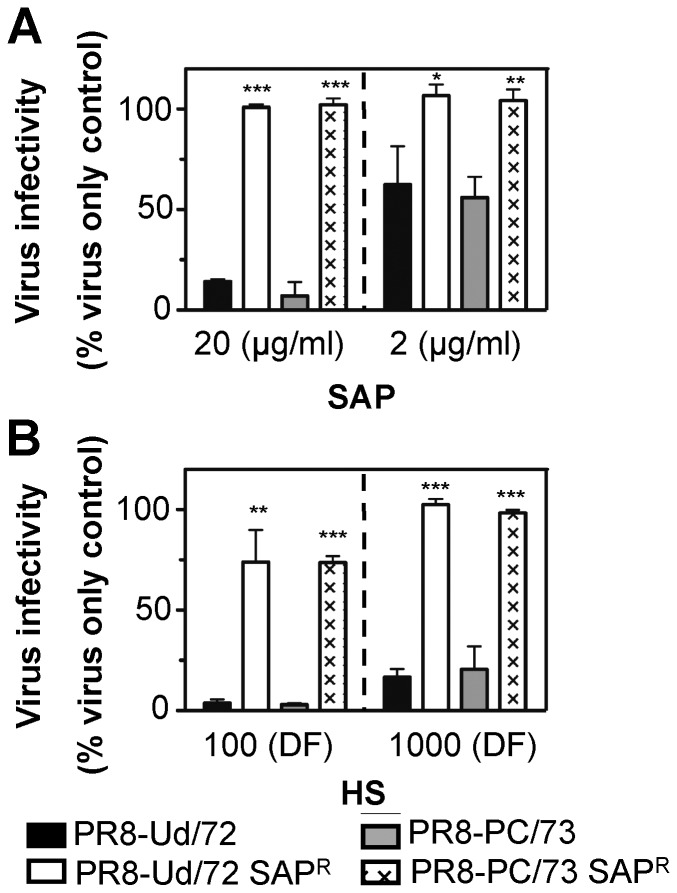
Members of the pentraxin family, including PTX3 and serum amyloid P component (SAP), have been reported to play a role in innate host defence against a range of microbial pathogens, yet little is known regarding their antiviral activities. In this study, we demonstrate that human SAP binds to human influenza A virus (IAV) strains and mediates a range of antiviral activities, including inhibition of IAV-induced hemagglutination (HA), neutralization of virus infectivity and inhibition of the enzymatic activity of the viral neuraminidase (NA). Characterization of the anti-IAV activity of SAP after periodate or bacterial sialidase treatment demonstrated that α(2,6)-linked sialic acid residues on the glycosidic moiety of SAP are critical for recognition by the HA of susceptible IAV strains. Other proteins of the innate immune system, namely human surfactant protein A and porcine surfactant protein D, have been reported to express sialylated glycans which facilitate inhibition of particular IAV strains, yet the specific viral determinants for recognition of these inhibitors have not been defined. Herein, we have selected virus mutants in the presence of human SAP and identified specific residues in the receptor-binding pocket of the viral HA which are critical for recognition and therefore susceptibility to the antiviral activities of SAP. Given the widespread expression of α(2,6)-linked sialic acid in the human respiratory tract, we propose that SAP may act as an effective receptor mimic to limit IAV infection of airway epithelial cells.
五聚素家族成员,包括 PTX3 和血清淀粉样蛋白 P 成分(SAP),据报道在针对一系列微生物病原体的天然宿主防御中发挥作用,但对于它们的抗病毒活性知之甚少。在这项研究中,我们证明人类 SAP 与人类甲型流感病毒(IAV)株结合并介导一系列抗病毒活性,包括抑制 IAV 诱导的血凝(HA)、中和病毒感染力和抑制病毒神经氨酸酶(NA)的酶活性。在用过碘酸钠或细菌唾液酸酶处理后对 SAP 的抗 IAV 活性进行表征表明,SAP 糖苷部分上的 α(2,6)-连接唾液酸残基对于易感性 IAV 株的 HA 的识别至关重要。先天免疫系统的其他蛋白质,即人类表面活性剂蛋白 A 和猪表面活性剂蛋白 D,已被报道表达了有助于抑制特定 IAV 株的唾液酸化聚糖,但尚未定义这些抑制剂的特定病毒决定簇。在此,我们在存在人类 SAP 的情况下选择了病毒突变体,并鉴定了病毒 HA 的受体结合口袋中的特定残基,这些残基对于识别和因此易感性对于 SAP 的抗病毒活性至关重要。鉴于 α(2,6)-连接的唾液酸在人类呼吸道中的广泛表达,我们提出 SAP 可能作为一种有效的受体模拟物来限制 IAV 感染气道上皮细胞。