Department of Virology, Institute for Medical Microbiology and Hygiene, University of Freiburg, Freiburg, Germany.
PLoS Pathog. 2013 Mar;9(3):e1003279. doi: 10.1371/journal.ppat.1003279. Epub 2013 Mar 28.
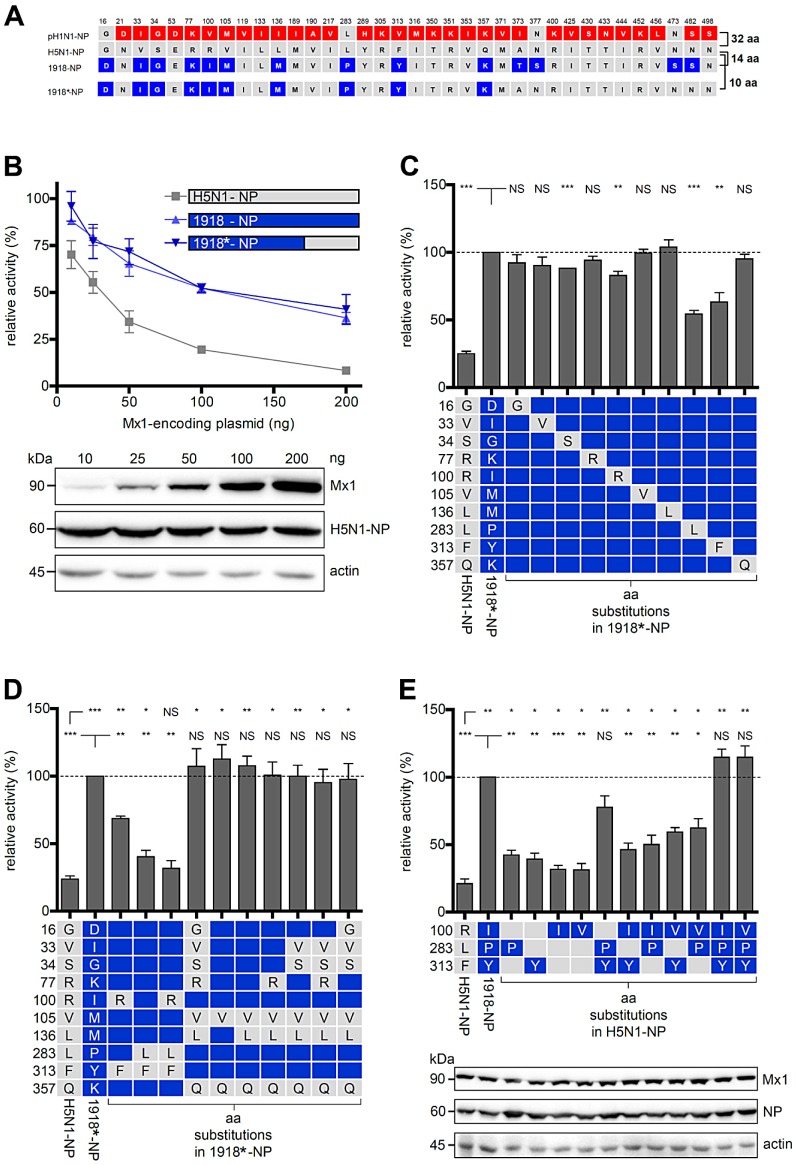
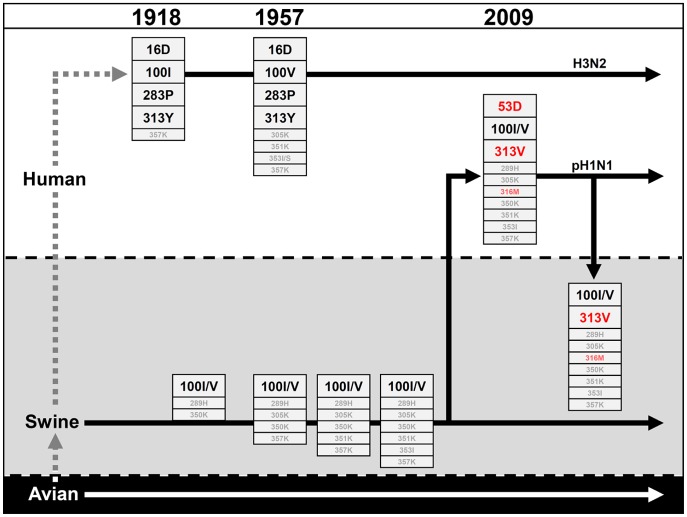
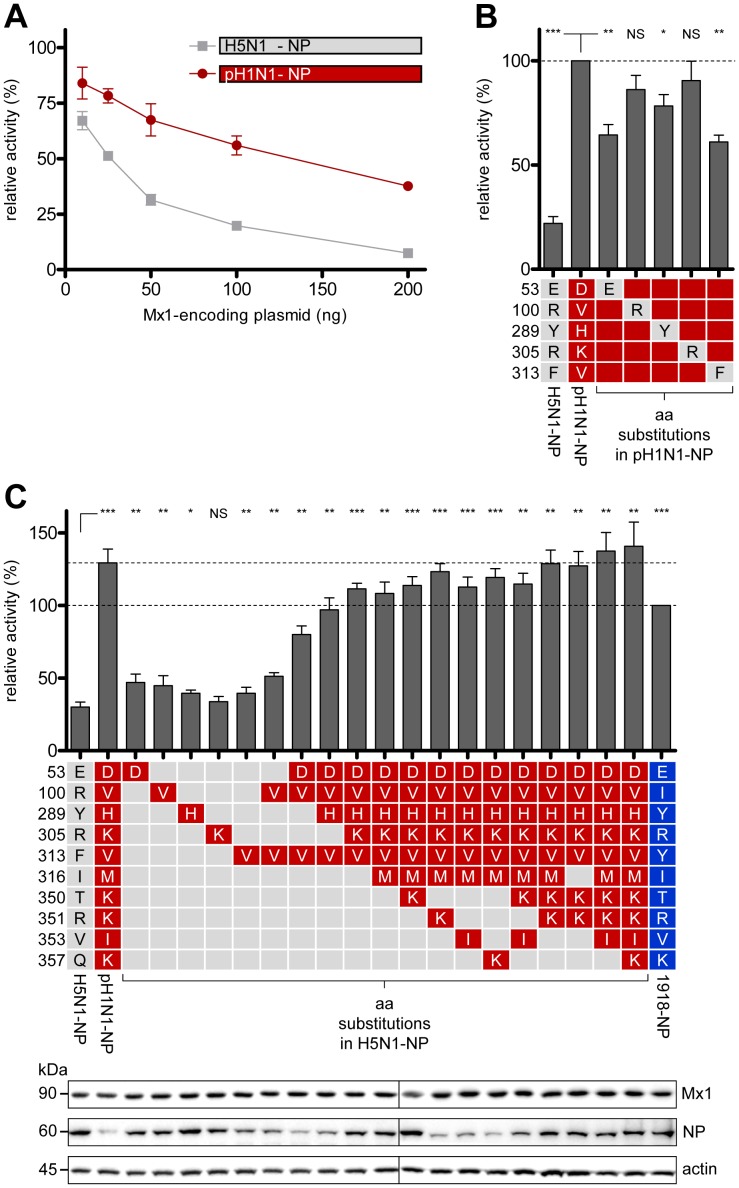
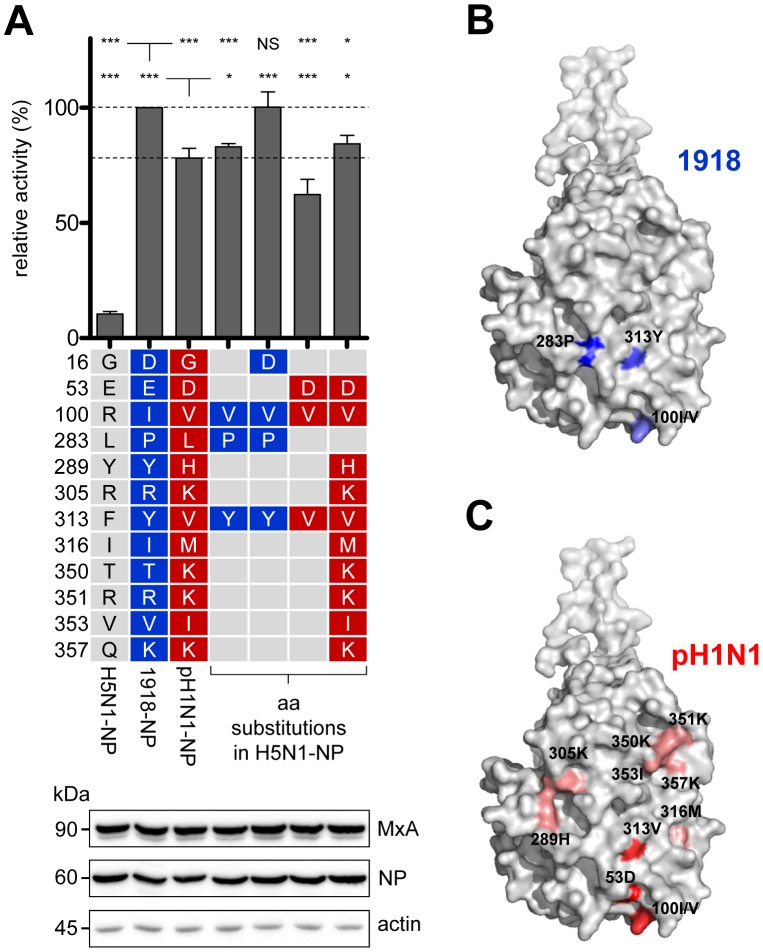
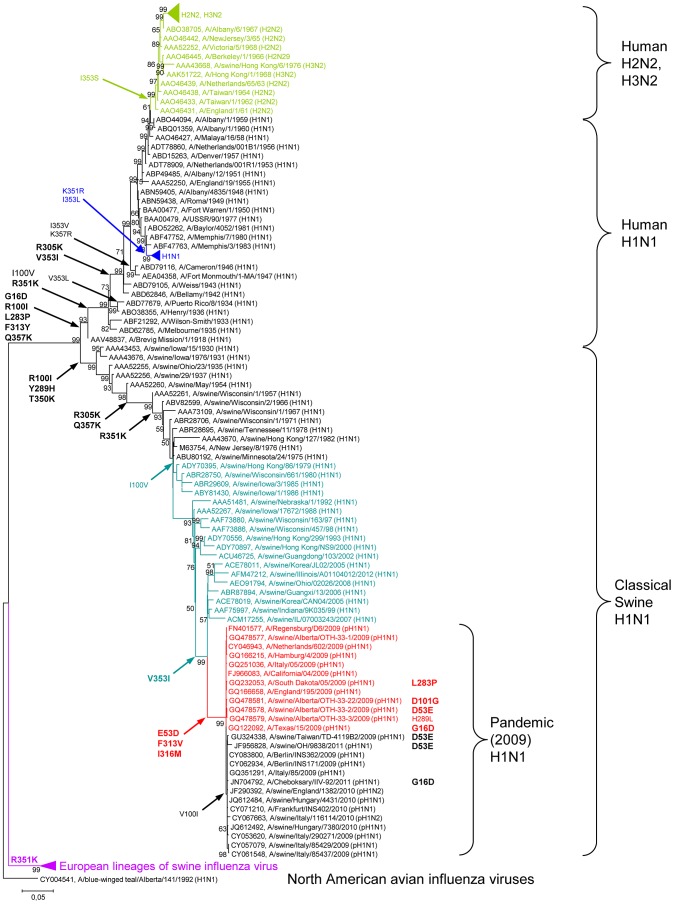
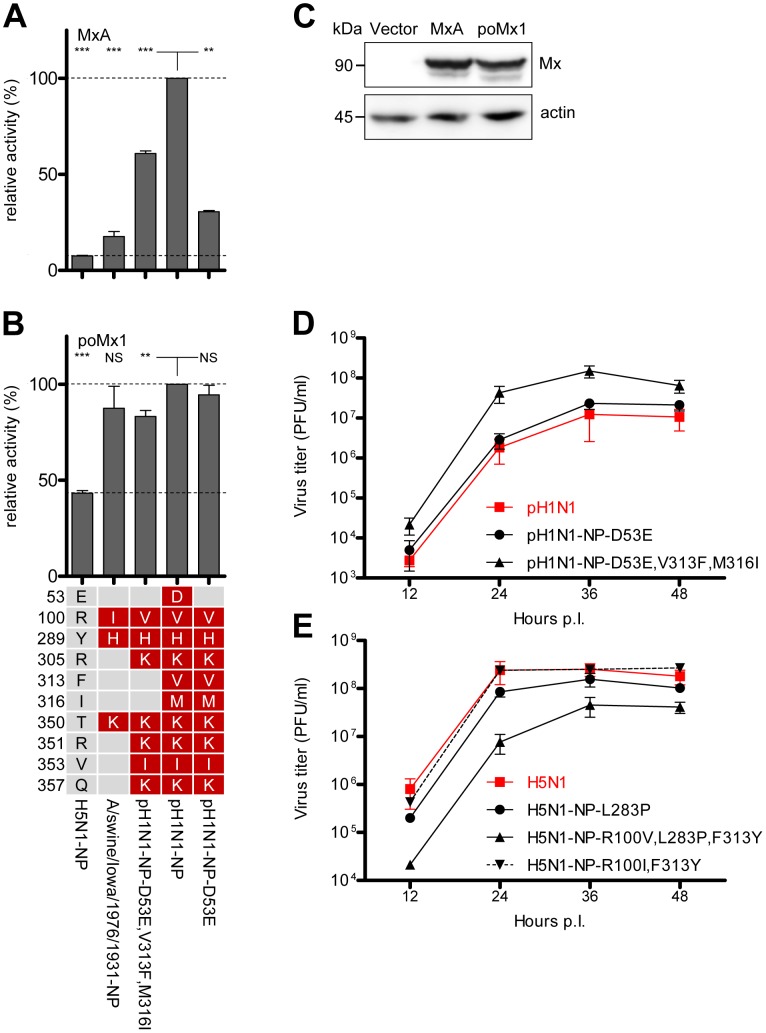
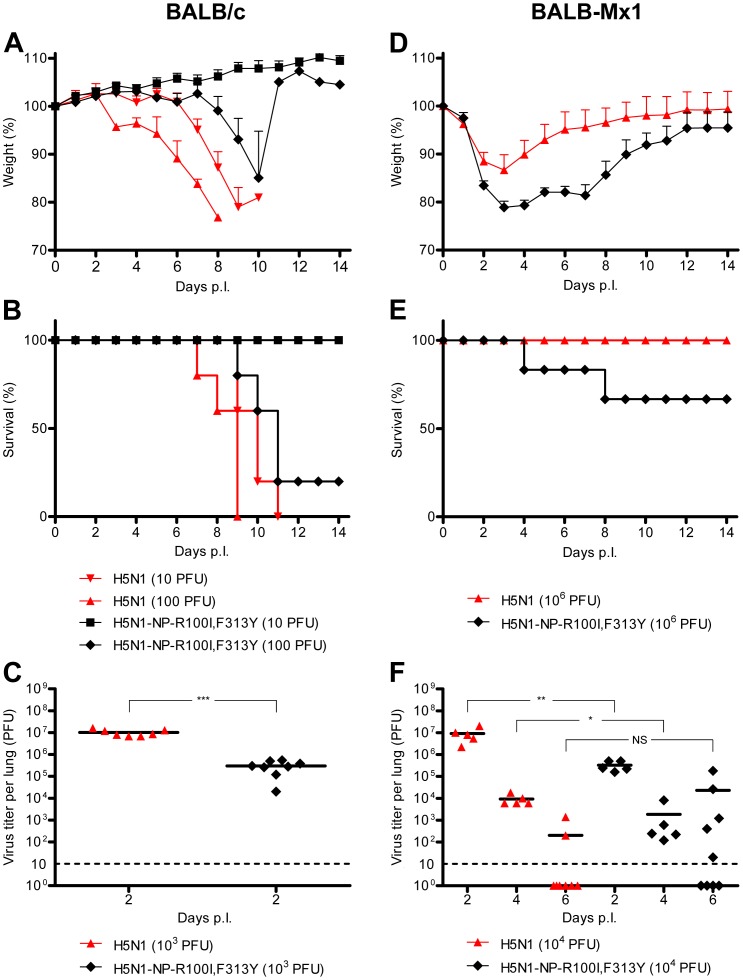
The interferon-induced dynamin-like MxA GTPase restricts the replication of influenza A viruses. We identified adaptive mutations in the nucleoprotein (NP) of pandemic strains A/Brevig Mission/1/1918 (1918) and A/Hamburg/4/2009 (pH1N1) that confer MxA resistance. These resistance-associated amino acids in NP differ between the two strains but form a similar discrete surface-exposed cluster in the body domain of NP, indicating that MxA resistance evolved independently. The 1918 cluster was conserved in all descendent strains of seasonal influenza viruses. Introduction of this cluster into the NP of the MxA-sensitive influenza virus A/Thailand/1(KAN-1)/04 (H5N1) resulted in a gain of MxA resistance coupled with a decrease in viral replication fitness. Conversely, introduction of MxA-sensitive amino acids into pH1N1 NP enhanced viral growth in Mx-negative cells. We conclude that human MxA represents a barrier against zoonotic introduction of avian influenza viruses and that adaptive mutations in the viral NP should be carefully monitored.
干扰素诱导的类似于动力蛋白的 MxA GTP 酶限制了甲型流感病毒的复制。我们鉴定出大流行性病毒株 A/Brevig Mission/1/1918(1918 年)和 A/Hamburg/4/2009(pH1N1)的核蛋白(NP)中存在适应性突变,这些突变赋予了 MxA 抗性。NP 中的这些与抗性相关的氨基酸在两种菌株之间存在差异,但在 NP 的主体结构域中形成了一个类似的离散表面暴露簇,表明 MxA 抗性是独立进化而来的。1918 年的簇在季节性流感病毒的所有后代株中都得到了保守。将该簇引入 MxA 敏感的流感病毒 A/泰国/1(KAN-1)/04(H5N1)的 NP 中,导致获得了 MxA 抗性,同时病毒复制适应性降低。相反,将 MxA 敏感的氨基酸引入 pH1N1 NP 中,增强了 Mx 阴性细胞中的病毒生长。我们的结论是,人类 MxA 代表了对禽流感病毒人畜共患病引入的屏障,病毒 NP 中的适应性突变应受到仔细监测。