Center for the Study of Hepatitis C, Laboratory of Virology and Infectious Disease, The Rockefeller University, New York, NY 10065, United States.
Curr Opin Virol. 2013 Apr;3(2):129-36. doi: 10.1016/j.coviro.2013.03.013. Epub 2013 Apr 16.
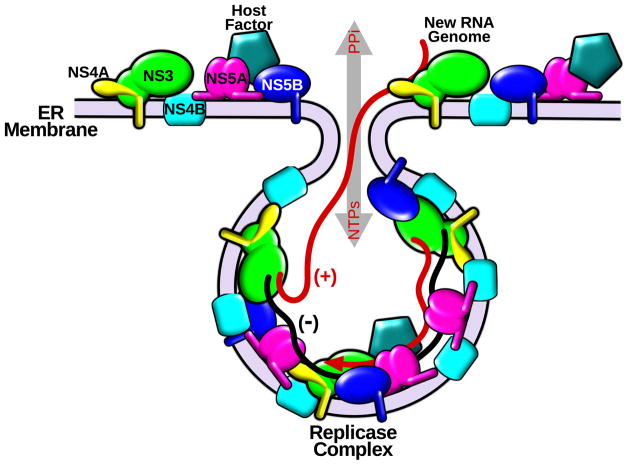
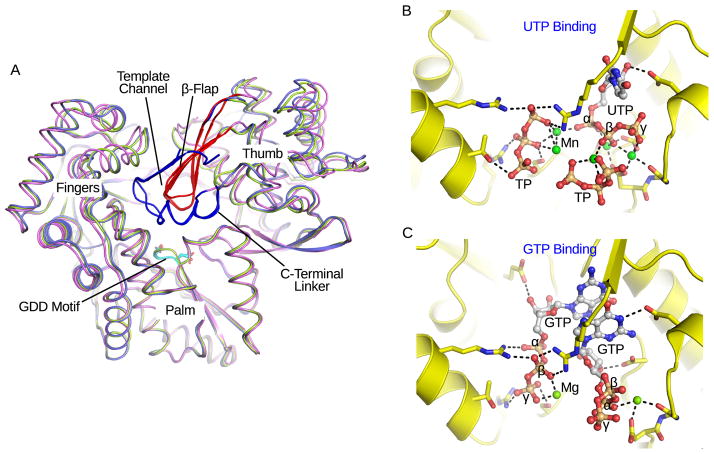
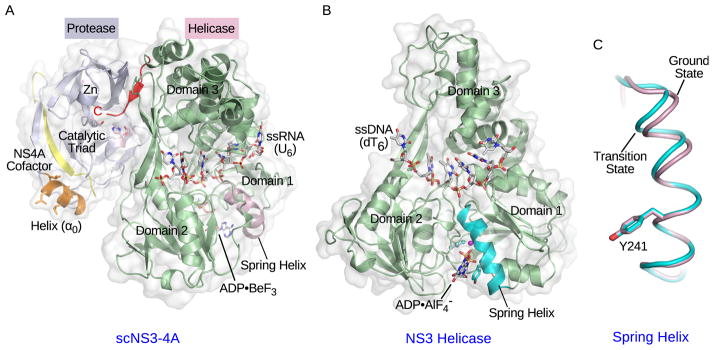
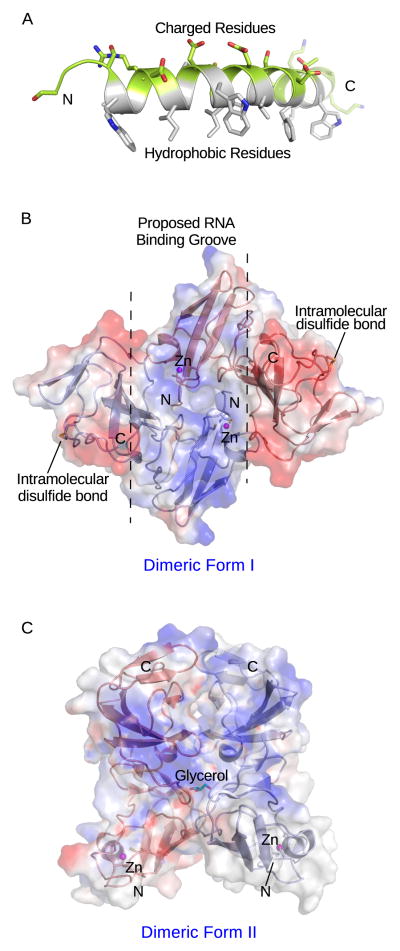
Approximately 3% of the world population is infected with hepatitis C virus (HCV), causing a serious public health burden. Like other positive-strand RNA viruses, HCV assembles replicase complexes in association with cellular membranes and produces progeny RNA genomes through negative-strand intermediates. The viral proteins required for RNA replication are nonstructural (NS) proteins NS3 to NS5B. Owing to many obstacles and limitations in structural characterization of proteins and complexes with multiple transmembrane segments, attempts to understand the assembly and action of the HCV replicase complex have been challenging. Nevertheless, great progress has been made in obtaining structural information for several replicase components, providing insights into some aspects of the viral genome replication machinery.
全球约有 3%的人口感染丙型肝炎病毒(HCV),给公共卫生带来了严重负担。与其他正链 RNA 病毒一样,HCV 在与细胞膜结合后组装复制酶复合物,并通过负链中间体产生子代 RNA 基因组。用于 RNA 复制的病毒蛋白是非结构(NS)蛋白 NS3 到 NS5B。由于在具有多个跨膜片段的蛋白质和复合物的结构特征方面存在许多障碍和限制,因此理解 HCV 复制酶复合物的组装和作用一直具有挑战性。尽管如此,在获得几种复制酶成分的结构信息方面已经取得了很大进展,为病毒基因组复制机制的某些方面提供了一些见解。