Nuffield Department of Orthopaedics, Rheumatology and Musculoskeletal Sciences (NDORMS), University of Oxford, Windmill Road, Headington, Oxford OX3 7LD, UK.
Bone Joint Res. 2013 Feb 1;2(2):33-40. doi: 10.1302/2046-3758.22.2000137. Print 2013 Feb.
The number of surgical procedures performed each year to treat femoroacetabular impingement (FAI) continues to rise. Although there is evidence that surgery can improve symptoms in the short-term, there is no evidence that it slows the development of osteoarthritis (OA). We performed a feasibility study to determine whether patient and surgeon opinion was permissive for a Randomised Controlled Trial (RCT) comparing operative with non-operative treatment for FAI.
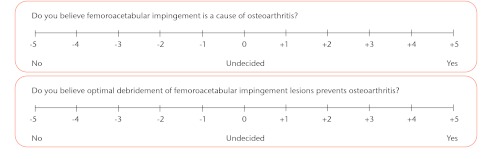
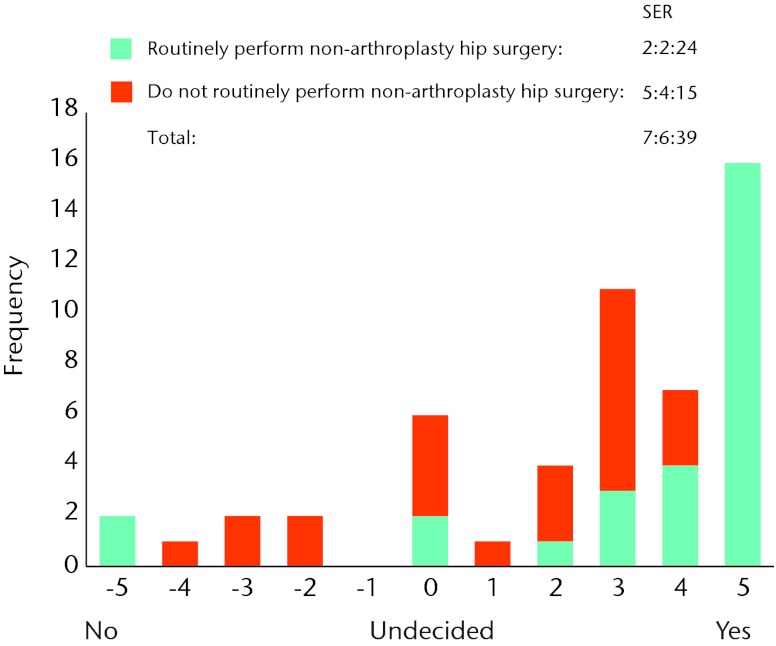
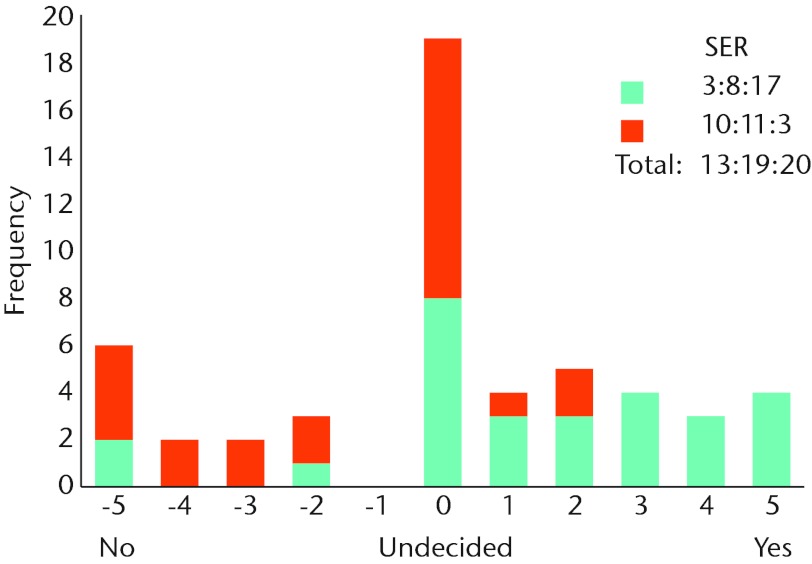
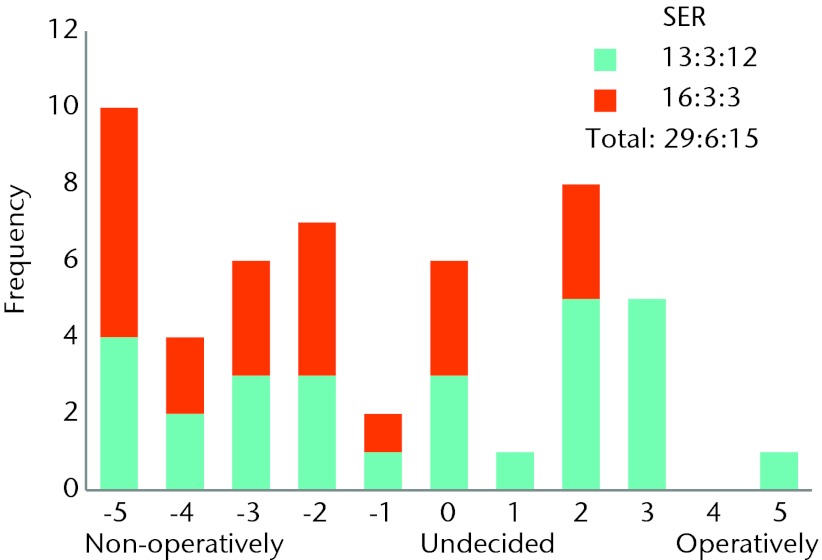
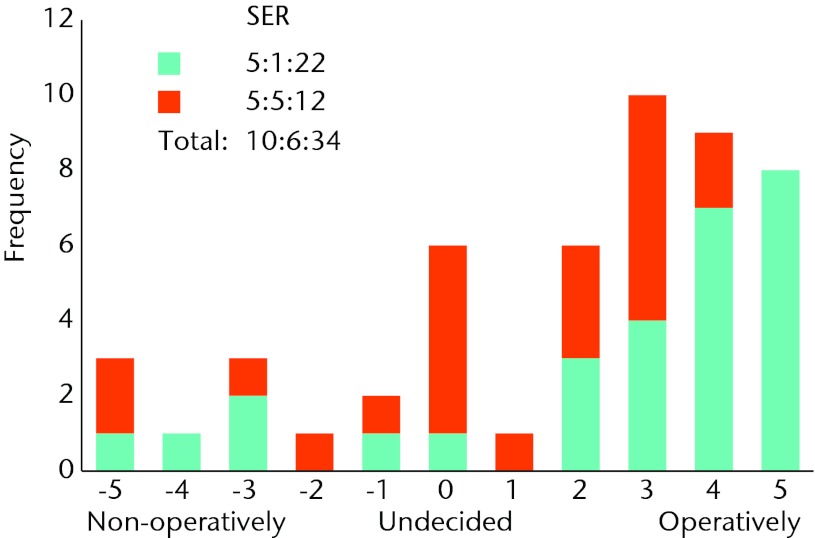
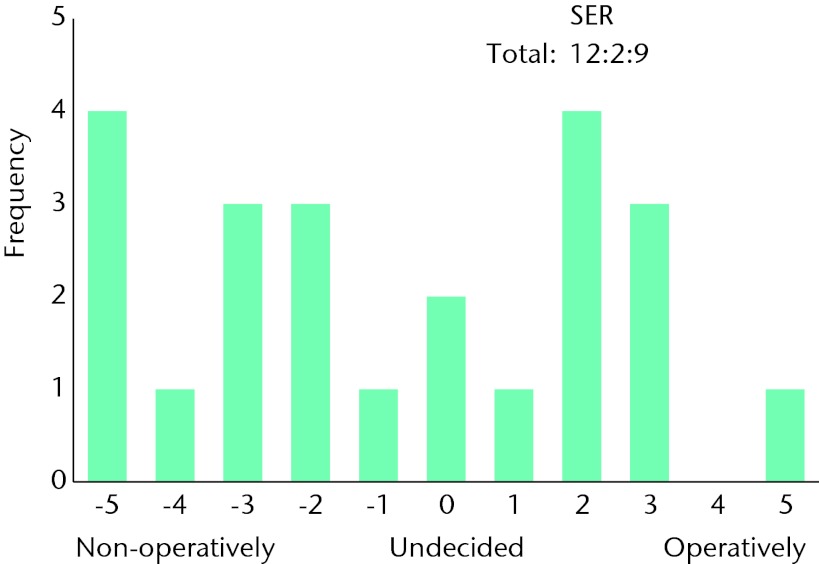
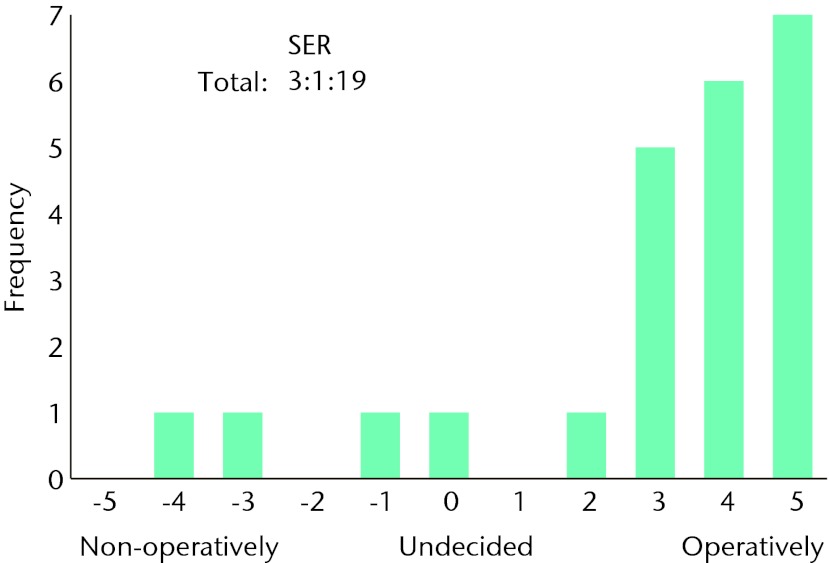
Surgeon opinion was obtained using validated questionnaires at a Specialist Hip Meeting (n = 61, 30 of whom stated that they routinely performed FAI surgery) and patient opinion was obtained from clinical patients with a new diagnosis of FAI (n = 31).
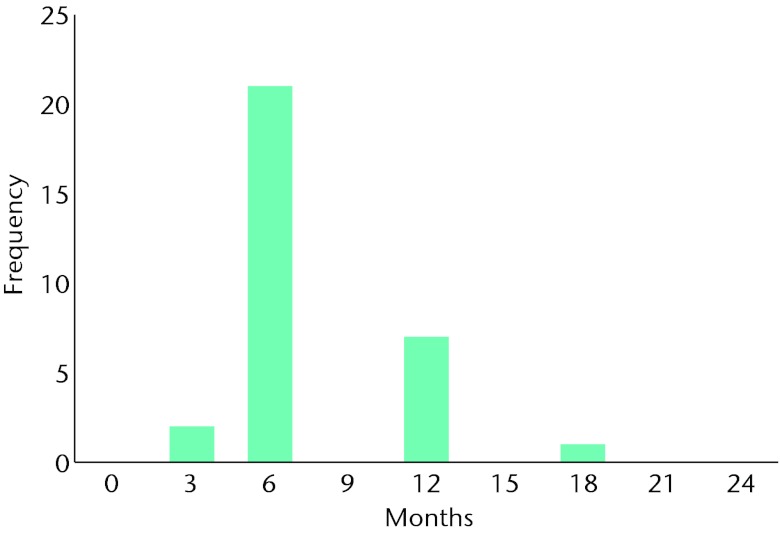
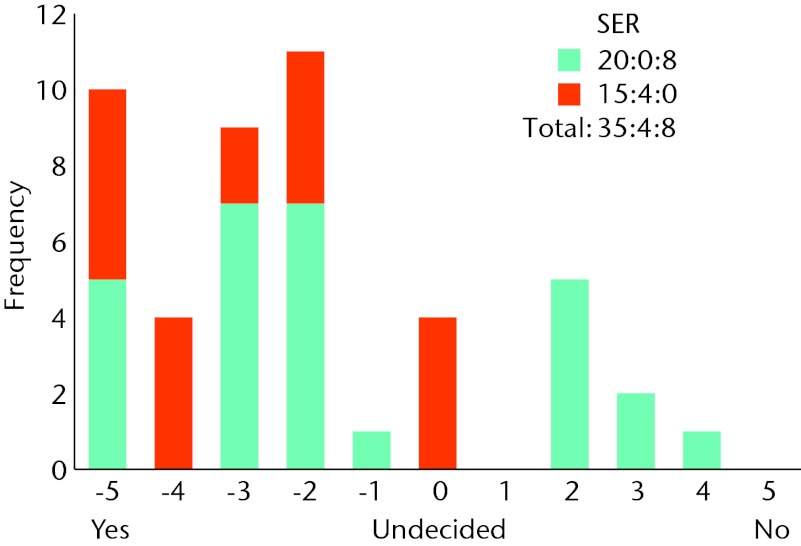
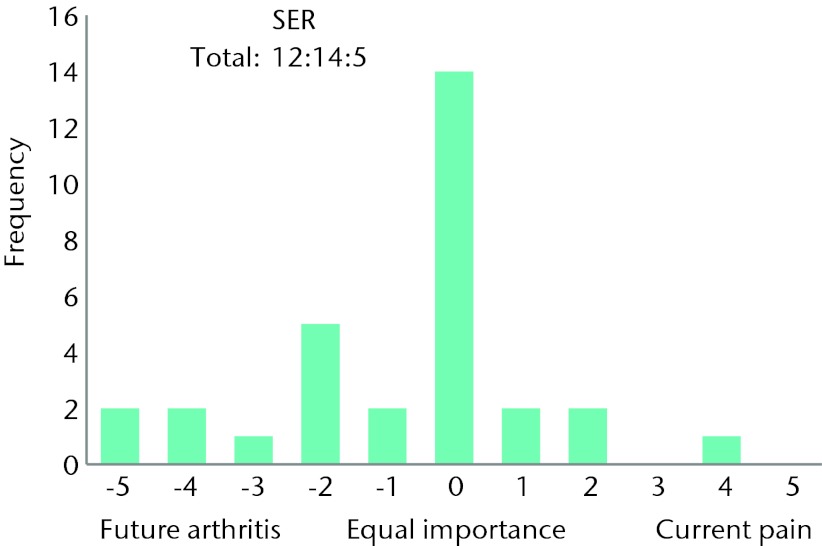
Clinical equipoise was demonstrated when surgeons were given clinical scenarios and asked whether they would manage a patient operatively or non-operatively. A total of 23 surgeons (77%) who routinely perform FAI surgery were willing to recruit patients into a RCT, and 28 patients (90%) were willing to participate. 75% of responding surgeons believed it was appropriate to randomise patients to non-operative treatment for ≥ 12 months. Conversely, only eight patients (26%) felt this was acceptable, although 29 (94%) were willing to continue non-operative treatment for six months. More patients were concerned about their risk of developing OA than their current symptoms, although most patients felt that the two were of equal importance.
We conclude that a RCT comparing operative and non-operative management of FAI is feasible and should be considered a research priority. An important finding for orthopaedic surgical trials is that patients without life-threatening pathology appear willing to trial a treatment for six months without improvement in their symptoms.
每年用于治疗股骨髋臼撞击症(FAI)的手术数量持续增加。尽管有证据表明手术可以在短期内改善症状,但没有证据表明它可以减缓骨关节炎(OA)的发展。我们进行了一项可行性研究,以确定患者和外科医生是否允许进行一项比较 FAI 手术与非手术治疗的随机对照试验(RCT)。
在髋关节专家会议上,通过验证过的问卷获得外科医生的意见(n=61,其中 30 位表示他们常规进行 FAI 手术),并从新诊断为 FAI 的临床患者中获得患者的意见(n=31)。
当外科医生根据临床情况被问及他们是否会对患者进行手术或非手术治疗时,显示出临床平衡。共有 23 位(77%)常规进行 FAI 手术的外科医生愿意招募患者参加 RCT,并且有 28 位(90%)患者愿意参加。75%的回应外科医生认为将患者随机分配到非手术治疗 12 个月以上是合适的。相反,只有 8 位患者(26%)认为这是可以接受的,尽管 29 位(94%)愿意继续进行 6 个月的非手术治疗。尽管大多数患者认为两者同等重要,但更多的患者担心自己患 OA 的风险,而不是当前的症状。
我们得出结论,比较 FAI 手术与非手术治疗的 RCT 是可行的,应该被视为研究重点。对于骨科手术试验的一个重要发现是,没有危及生命的病理的患者似乎愿意在没有改善症状的情况下试用治疗 6 个月。