Department of Emergency Medicine, Drexel University College of Medicine, Philadelphia, Pennsylvania, USA.
BMJ Open. 2013 Apr 24;3(4). doi: 10.1136/bmjopen-2012-002327. Print 2013.
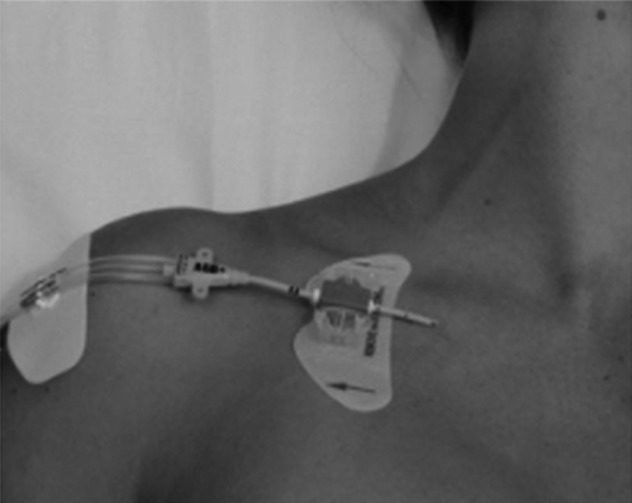
This article sought to define whether an alternative safety-engineered device (SED) could help prevent needlestick injury (NSI) in healthcare workers (HCWs) who place central venous catheters (CVCs).
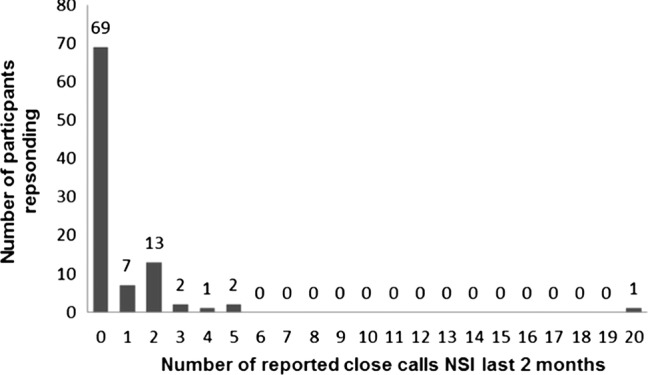
The study involved three phases: (1) A retrospective analysis of deidentified occupational health records from our tertiary care urban US hospital to clearly identify NSI risk and rates to an HCW during invasive catheter placement; (2) 95 residents were surveyed regarding their knowledge and experience with NSIs and SEDs; (3) A random sample of six residents participated in a focus group session discussing barriers to the use of SED.
A single urban US tertiary care teaching hospital.
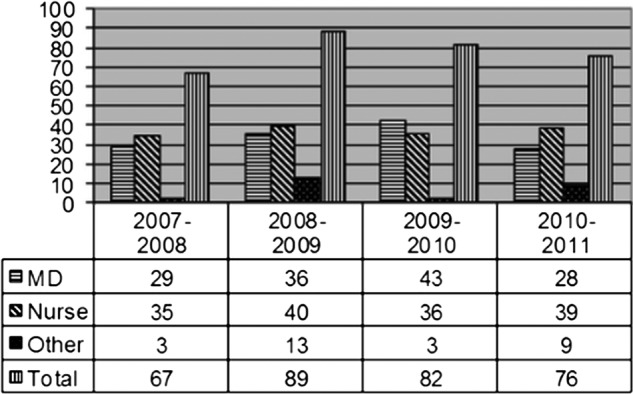
A retrospective analysis of NSI to HCWs in a tertiary care urban US hospital was conducted over a 4-year period (July 2007-June 2011). Ninety-five residents from specialties that often place CVC during training (surgery, surgical subspecialties, internal medicine, anaesthesia and emergency medicine) were surveyed regarding their experience with NSIs and SEDs. A random sample of six residents participated in a focus group session discussing barriers to the use of SED.
314 NSIs were identified via occupational health records. 16% (21 of 131) of NSIs occurring in residents and fellows occurred during the securement of an invasive catheter such as a CVC. If an SED device had been used, the 5.25 NSIs/year could have been avoided. Each NSI occurring in an HCW incurred at least $2723 in charges. Thus, utilisation of the SED could have saved a minimum of $57 183 over the 4-year period.
SEDs are currently available and can be used as an alternative to sharps. If safety and efficacy can be demonstrated, then implementation of such devices can significantly reduce the number of NSIs.
本文旨在探讨替代安全型医疗器械(SED)是否有助于预防置管医护人员(HCWs)发生针刺伤(NSI)。
该研究共分为三个阶段:(1)对我们的美国城市三级护理医院的匿名职业健康记录进行回顾性分析,以明确在进行侵入性导管放置时 HCW 发生 NSI 的风险和发生率;(2)对 95 名住院医师进行有关 NSI 和 SED 的知识和经验调查;(3)随机抽取 6 名住院医师参加小组讨论,讨论使用 SED 的障碍。
美国单一城市三级护理教学医院。
对美国城市三级护理医院 4 年来(2007 年 7 月至 2011 年 6 月) HCW 的 NSI 进行回顾性分析。对经常在培训期间置管的专业(外科、外科亚专业、内科、麻醉和急诊医学)的 95 名住院医师进行有关 NSI 和 SED 的经验调查。随机抽取 6 名住院医师参加小组讨论,讨论使用 SED 的障碍。
通过职业健康记录确定了 314 例 NSI。在住院医师和研究员中,16%(21/131)的 NSI 发生在固定侵入性导管(如 CVC)期间。如果使用 SED 设备,每年可避免 5.25 例 NSI。每位 HCW 发生的每例 NSI 至少产生 2723 美元的费用。因此,在 4 年期间,SED 的使用可至少节省 57183 美元。
SED 目前已上市,可作为锐器的替代品。如果能够证明安全性和有效性,那么实施此类设备可以显著减少 NSI 的数量。