Institute for Parasitology and Tropical Veterinary Medicine, Freie Universität Berlin, Berlin, Germany.
PLoS One. 2013 Apr 19;8(4):e61285. doi: 10.1371/journal.pone.0061285. Print 2013.
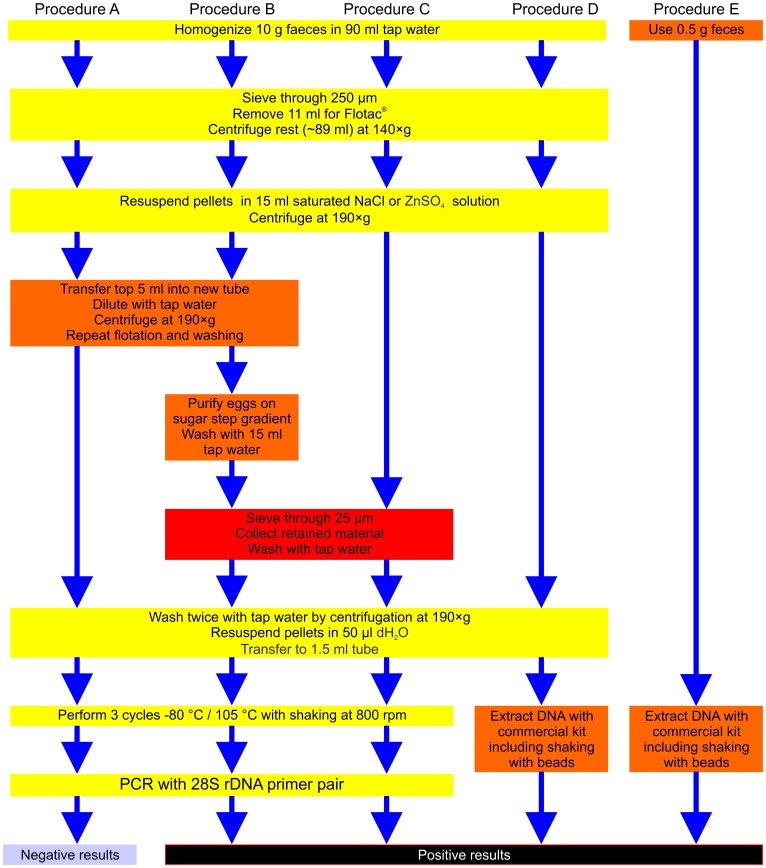
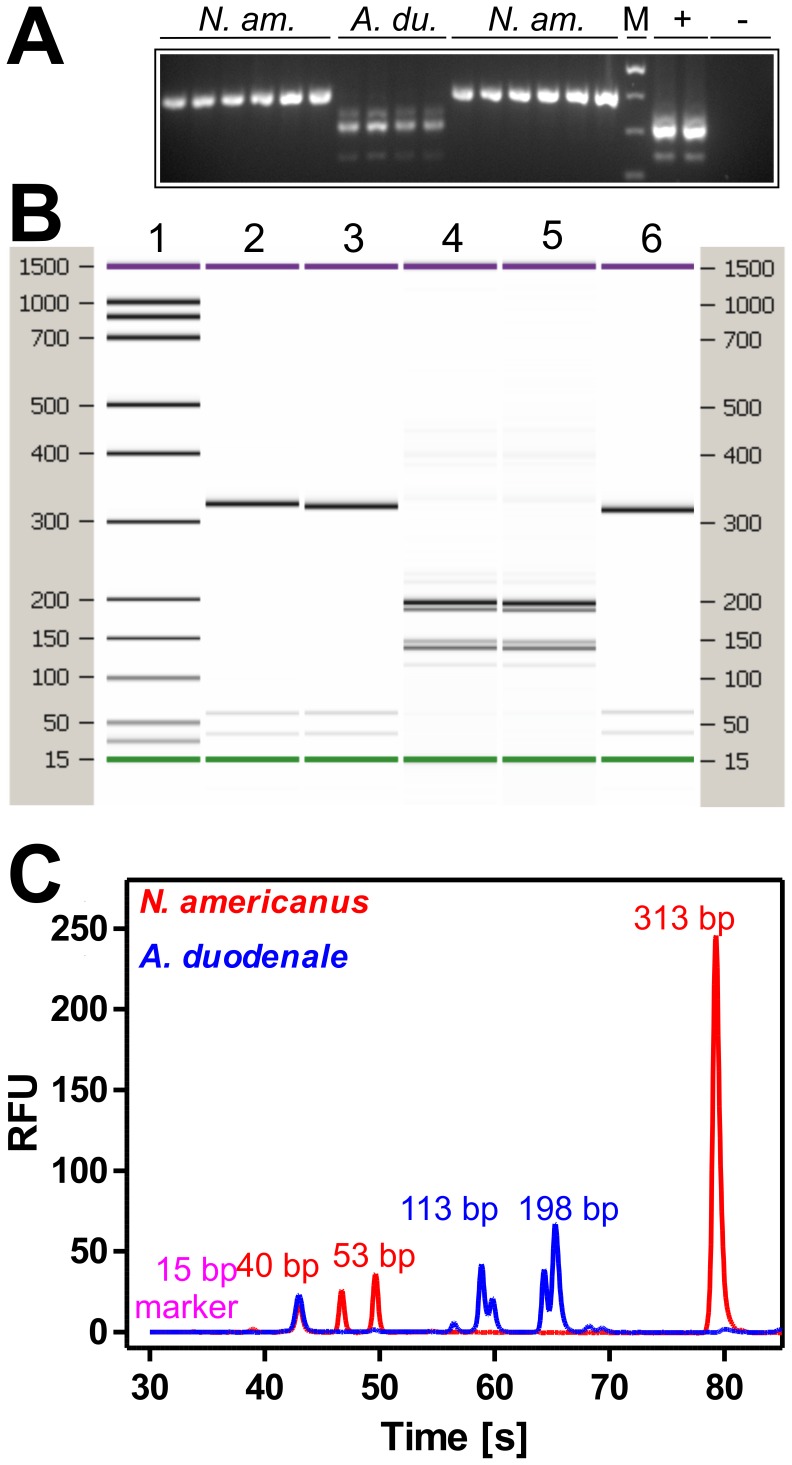
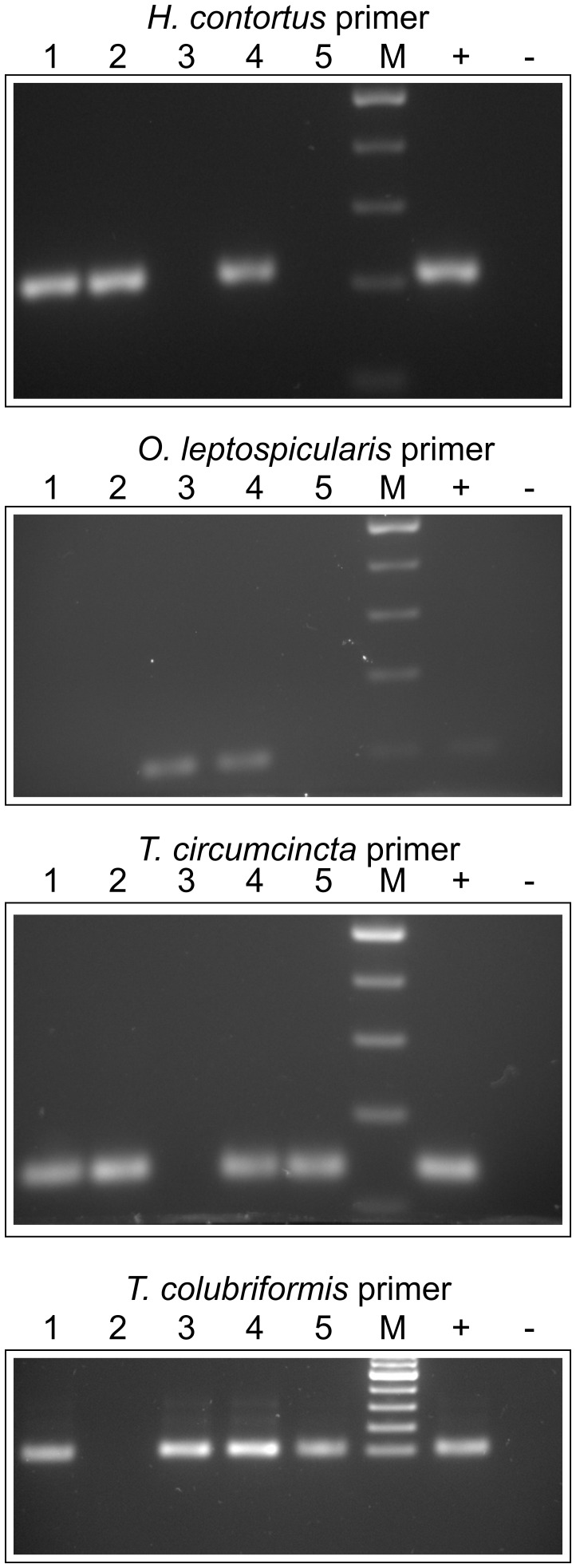
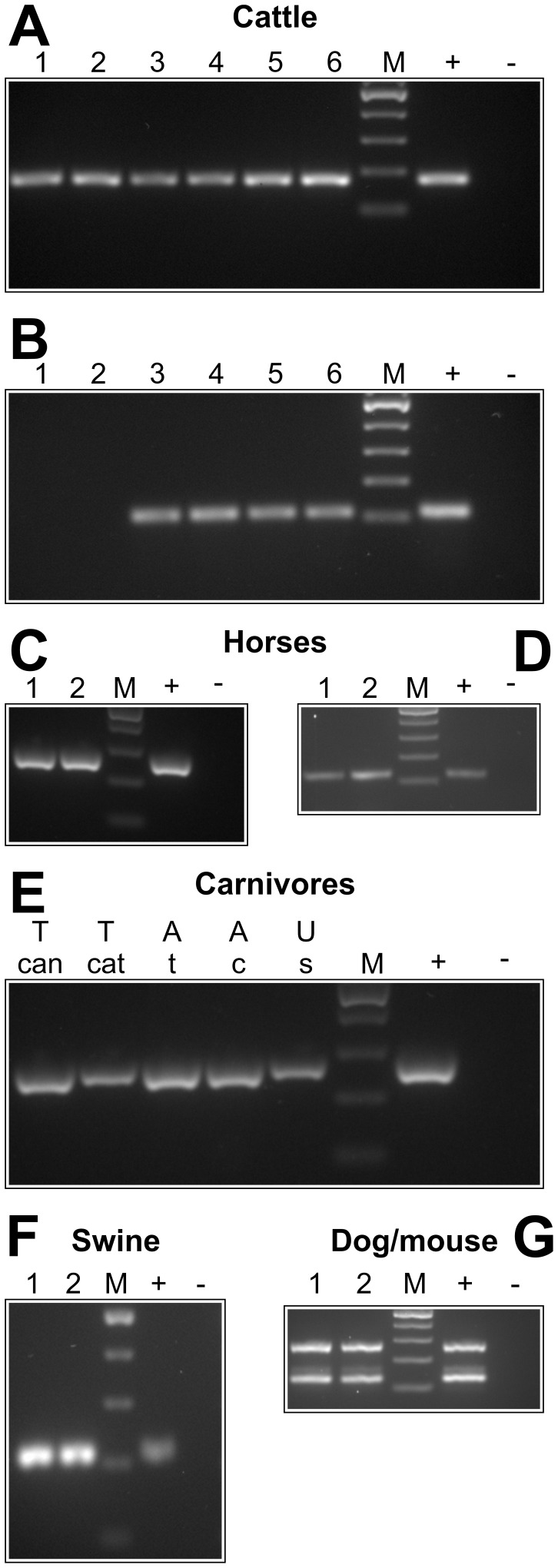
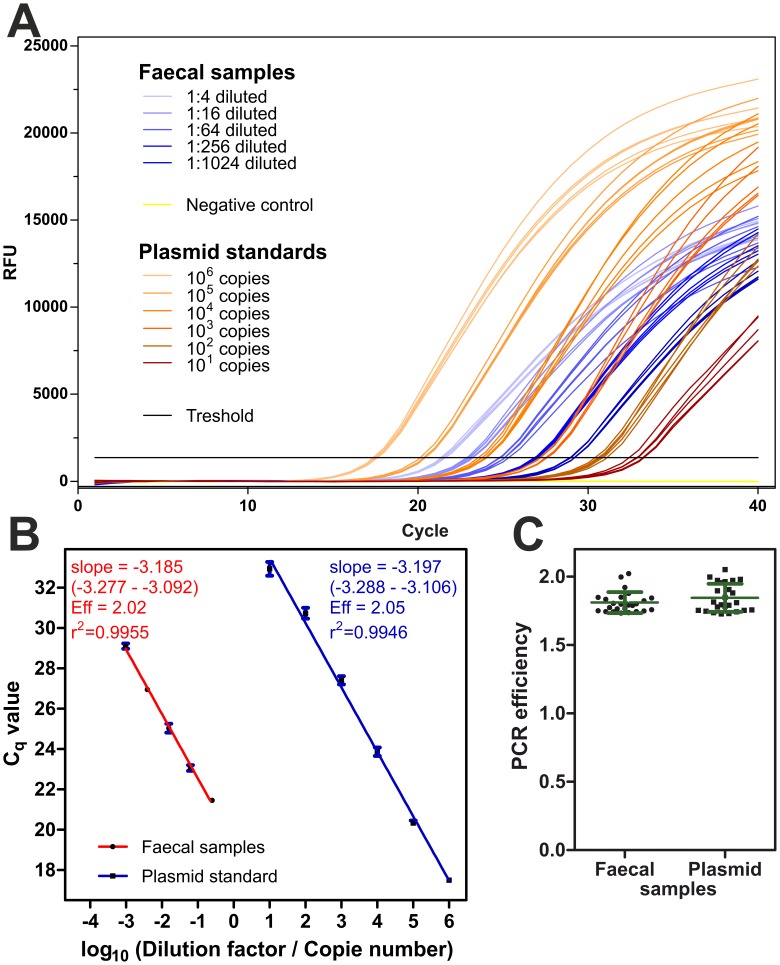
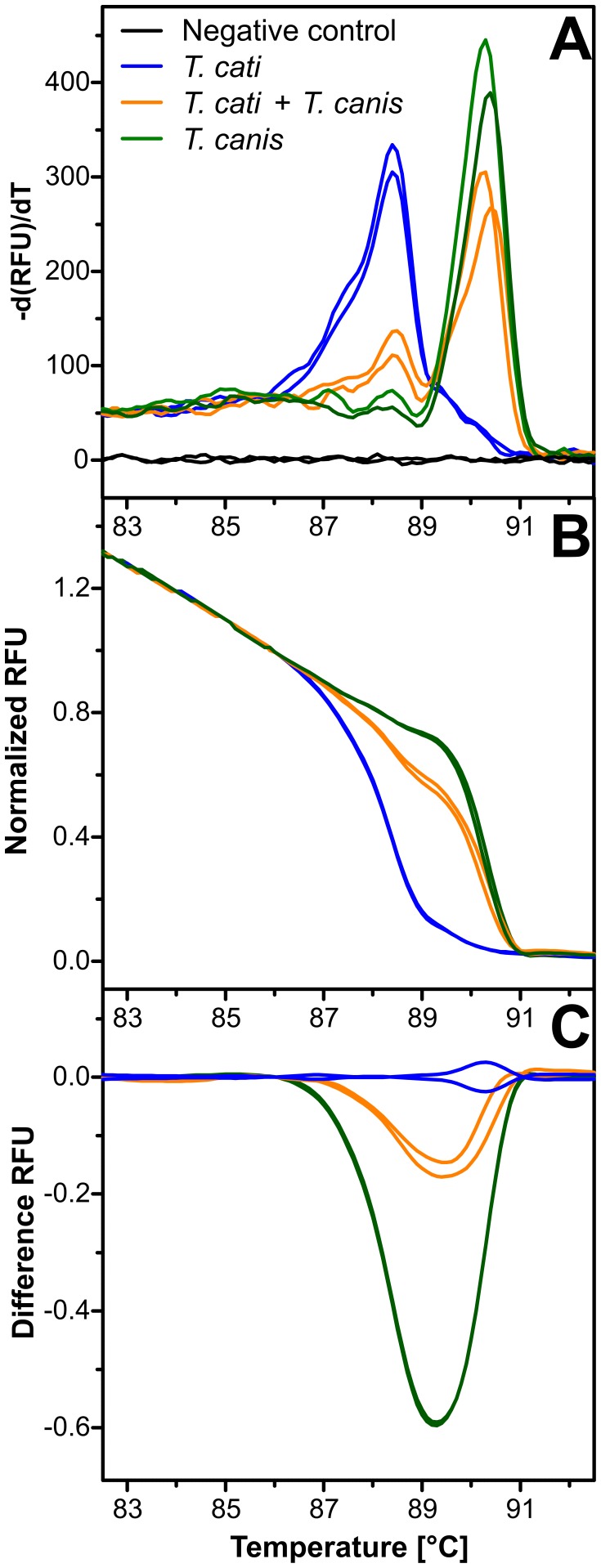
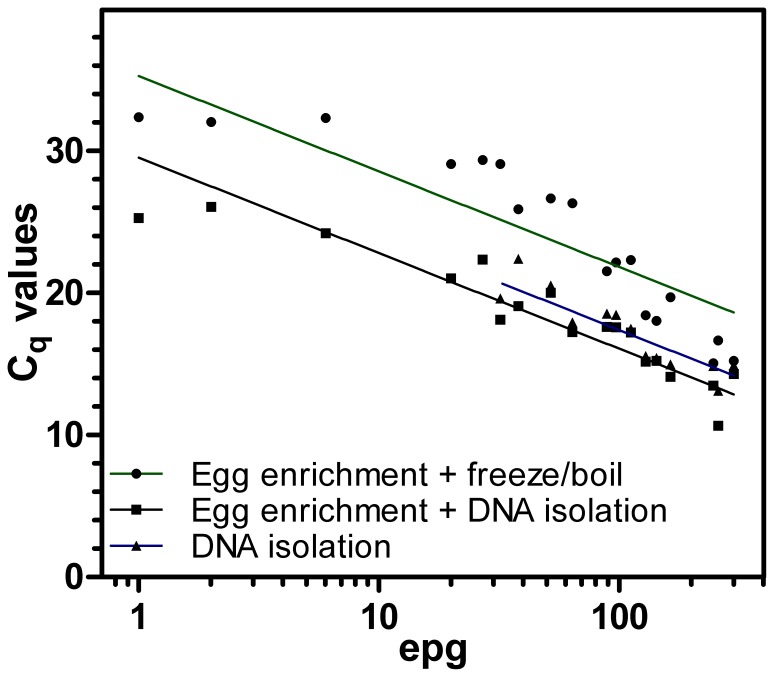
Diagnosis of gastrointestinal nematodes relies predominantly on coproscopic methods such as flotation, Kato-Katz, McMaster or FLOTAC. Although FLOTAC allows accurate quantification, many nematode eggs can only be differentiated to genus or family level. Several molecular diagnostic tools discriminating closely related species suffer from high costs for DNA isolation from feces and limited sensitivity since most kits use only small amounts of feces (<1 g). A direct PCR from crude egg preparations was designed for full compatibility with FLOTAC to accurately quantify eggs per gram feces (epg) and determine species composition. Eggs were recovered from the flotation solution and concentrated by sieving. Lysis was achieved by repeated boiling and freezing cycles - only Trichuris eggs required additional mechanic disruption. Egg lysates were directly used as template for PCR with Phusion DNA polymerase which is particularly resistant to PCR inhibitors. Qualitative results were obtained with feces of goats, cattle, horses, swine, cats, dogs and mice. The finally established protocol was also compatible with quantitative real-time PCR in the presence of EvaGreen and no PCR inhibition was detectable when extracts were diluted at least fourfold. Sensitivity was comparable to DNA isolation protocols and spiked samples with five epg were reliably detected. For Toxocara cati a detection limit below one epg was demonstrated. It was possible to distinguish T. cati and Toxocara canis using high resolution melt (HRM) analysis, a rapid tool for species identification. In human samples, restriction fragment length polymorphism (RFLP) and HRM analysis were used to discriminate Necator americanus and Ancylostoma duodenale. The method is able to significantly improve molecular diagnosis of gastrointestinal nematodes by increasing speed and sensitivity while decreasing overall costs. For identification of species or resistance alleles, analysis of PCR products with many different post PCR methods can be used such as RFLP, reverse-line-blot, Sanger sequencing and HRM.
胃肠道线虫的诊断主要依赖于粪便检查方法,如漂浮法、Kato-Katz 法、麦克马斯特法或 FLOTAC 法。虽然 FLOTAC 允许进行准确的定量,但许多线虫卵只能区分到属或科的水平。几种用于区分密切相关物种的分子诊断工具由于从粪便中提取 DNA 的成本高且灵敏度有限而受到限制,因为大多数试剂盒仅使用少量粪便(<1 克)。本研究设计了一种从粗卵制剂中直接进行 PCR 的方法,该方法与 FLOTAC 完全兼容,可准确定量每克粪便中的卵数(epg)并确定物种组成。卵从漂浮溶液中回收并用筛子浓缩。通过反复煮沸和冷冻循环实现裂解 - 只有 Trichuris 卵需要额外的机械破坏。卵裂解物直接用作 PCR 的模板,使用的 Phusion DNA 聚合酶对 PCR 抑制剂具有很强的抗性。该方法可用于检测山羊、牛、马、猪、猫、狗和鼠的粪便,可获得定性结果。最终建立的方案与 EvaGreen 存在时的定量实时 PCR 也兼容,当提取物稀释至少四倍时,未检测到 PCR 抑制。该方法的灵敏度与 DNA 分离方案相当,可可靠检测到含有五个 epg 的加标样本。对于 Toxocara cati,证明检测下限低于一个 epg。通过高分辨率熔解曲线(HRM)分析可以区分 T. cati 和 Toxocara canis,这是一种用于物种鉴定的快速工具。在人粪便样本中,可使用限制性片段长度多态性(RFLP)和 HRM 分析来区分 Necator americanus 和 Ancylostoma duodenale。该方法通过提高速度和灵敏度,同时降低总成本,能够显著提高胃肠道线虫的分子诊断能力。对于鉴定物种或抗性等位基因,可以使用许多不同的 PCR 后方法(如 RFLP、反向线印迹、Sanger 测序和 HRM)分析 PCR 产物。