Clinic for Avian, Reptile and Fish Medicine, University of Veterinary Medicine, Vienna, Austria.
Toxins (Basel). 2013 Apr 29;5(5):912-25. doi: 10.3390/toxins5050912.
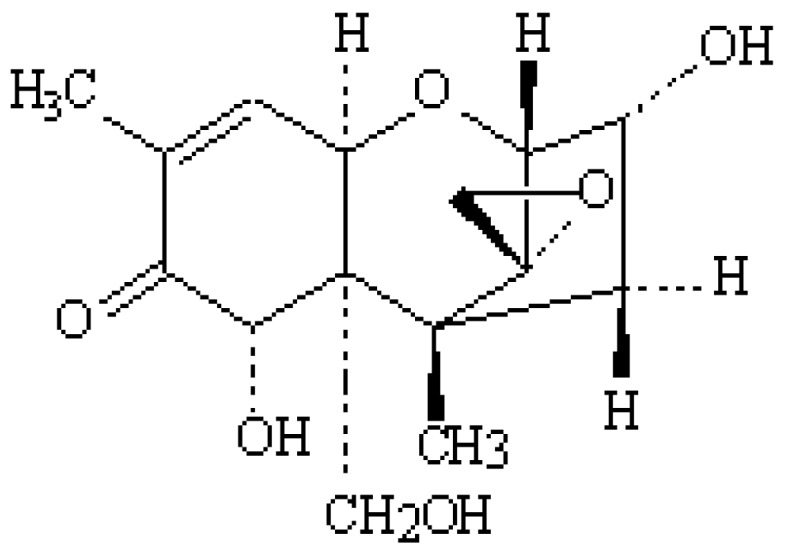
Deoxynivalenol (DON) is a common Fusarium toxin in poultry feed. Chickens are more resistant to the adverse impacts of deoxynivalenol (DON) compared to other species. In general, the acute form of DON mycotoxicosis rarely occurs in poultry flocks under normal conditions. However, if diets contain low levels of DON (less than 5 mg DON/kg diet), lower productivity, impaired immunity and higher susceptibility to infectious diseases can occur. The molecular mechanism of action of DON has not been completely understood. A significant influence of DON in chickens is the impairment of immunological functions. It was known that low doses of DON elevated the serum IgA levels and affected both cell-mediated and humoral immunity in animals. DON is shown to suppress the antibody response to infectious bronchitis vaccine (IBV) and to Newcastle disease virus (NDV) in broilers (10 mg DON/kg feed) and laying hens (3.5 to 14 mg of DON/kg feed), respectively. Moreover, DON (10 mg DON/kg feed) decreased tumor necrosis factor alpha (TNF-α) in the plasma of broilers. DON can severely affect the immune system and, due to its negative impact on performance and productivity, can eventually result in high economic losses to poultry producers. The present review highlights the impacts of DON intoxication on cell mediated immunity, humoral immunity, gut immunity, immune organs and pro-inflammatory cytokines in chickens.
脱氧雪腐镰刀菌烯醇(DON)是家禽饲料中一种常见的镰刀菌毒素。与其他物种相比,鸡对脱氧雪腐镰刀菌烯醇(DON)的不良影响更具抵抗力。一般来说,在正常条件下,家禽群很少发生脱氧雪腐镰刀菌烯醇(DON)的急性中毒。然而,如果饲料中含有低水平的 DON(低于 5mg DON/kg 饲料),则会导致生产力降低、免疫力受损以及更容易感染传染病。DON 的作用机制尚未完全阐明。DON 在鸡中的一个重要影响是免疫功能受损。已知低剂量的 DON 会升高血清 IgA 水平,并影响动物的细胞介导和体液免疫。DON 被证明会抑制肉鸡(10mg DON/kg 饲料)和蛋鸡(3.5 至 14mg DON/kg 饲料)对传染性支气管炎疫苗(IBV)和新城疫病毒(NDV)的抗体反应,此外,DON(10mg DON/kg 饲料)还会降低肉鸡血浆中的肿瘤坏死因子 alpha(TNF-α)。DON 会严重影响免疫系统,由于其对性能和生产力的负面影响,最终会给家禽生产者带来巨大的经济损失。本综述重点介绍了 DON 中毒对鸡的细胞介导免疫、体液免疫、肠道免疫、免疫器官和促炎细胞因子的影响。