División de Neurociencias, Departamento de Fisiología, Anatomía y Biología Celular, Área de Anatomía y Embriología Humana y Fisiología, Universidad Pablo de Olavide Seville, Spain.
Front Neuroanat. 2013 Apr 23;7:4. doi: 10.3389/fnana.2013.00004. eCollection 2013.
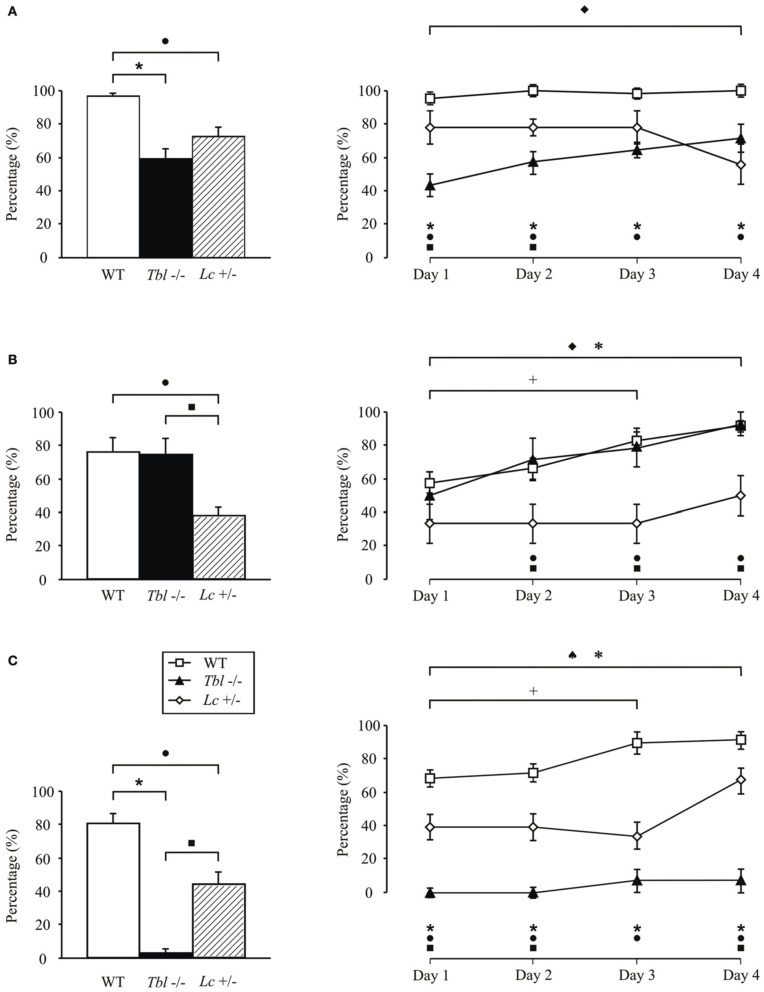
The cerebellum plays a key role in the acquisition and execution of motor tasks whose physiological foundations were postulated on Purkinje cells' long-term depression (LTD). Numerous research efforts have been focused on understanding the cerebellum as a site of learning and/or memory storage. However, the controversy on which part of the cerebellum participates in motor learning, and how the process takes place, remains unsolved. In fact, it has been suggested that cerebellar cortex, deep cerebellar nuclei, and/or their combination with some brain structures other than the cerebellum are responsible for motor learning. Different experimental approaches have been used to tackle this question (cerebellar lesions, pharmacological agonist and/or antagonist of cerebellar neurotransmitters, virus tract tracings, etc.). One of these approaches is the study of spontaneous mutations affecting the cerebellar cortex and depriving it of its main input-output organizer (i.e., the Purkinje cell). In this review, we discuss the results obtained in our laboratory in motor learning of both Lurcher (Lc/+) and tambaleante (tbl/tbl) mice as models of Purkinje-cell-devoid cerebellum.
小脑在运动任务的获取和执行中起着关键作用,其生理学基础是浦肯野细胞的长时程抑制( LTD )。许多研究都集中在理解小脑作为学习和/或记忆存储的场所。然而,小脑的哪个部分参与运动学习,以及这个过程是如何发生的,仍然存在争议。事实上,有人认为小脑皮层、小脑深部核团,以及它们与小脑以外的一些脑结构的结合,对运动学习负责。为了解决这个问题,人们采用了不同的实验方法(小脑损伤、小脑神经递质的药理学激动剂和/或拮抗剂、病毒束追踪等)。其中一种方法是研究影响小脑皮层并剥夺其主要输入-输出组织者(即浦肯野细胞)的自发突变。在这篇综述中,我们讨论了我们实验室在 Lurcher(Lc/+)和 tambaleante(tbl/tbl)小鼠运动学习中的结果,这两种小鼠模型缺乏浦肯野细胞。