Verhoef Tessa
University of Amsterdam, 1012 VT Amsterdam, The Netherlands.
Lang Cogn. 2012 Nov 1;4(4):357-380. doi: 10.1515/langcog-2012-0019.
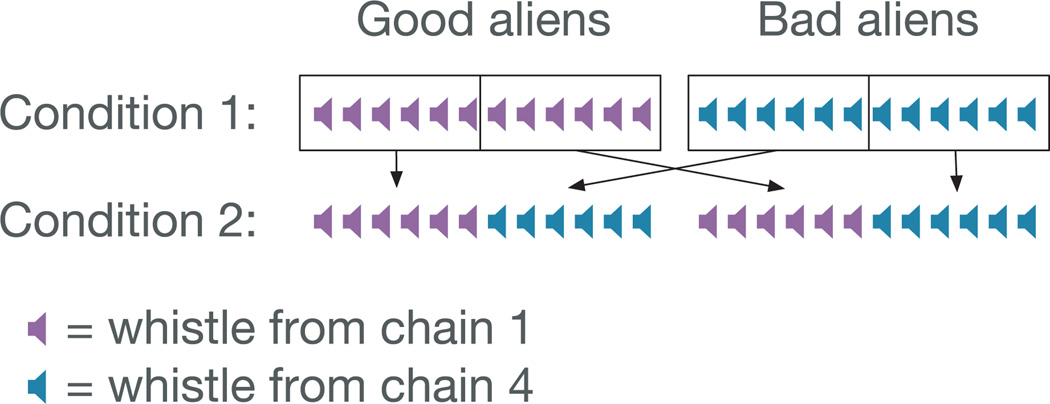
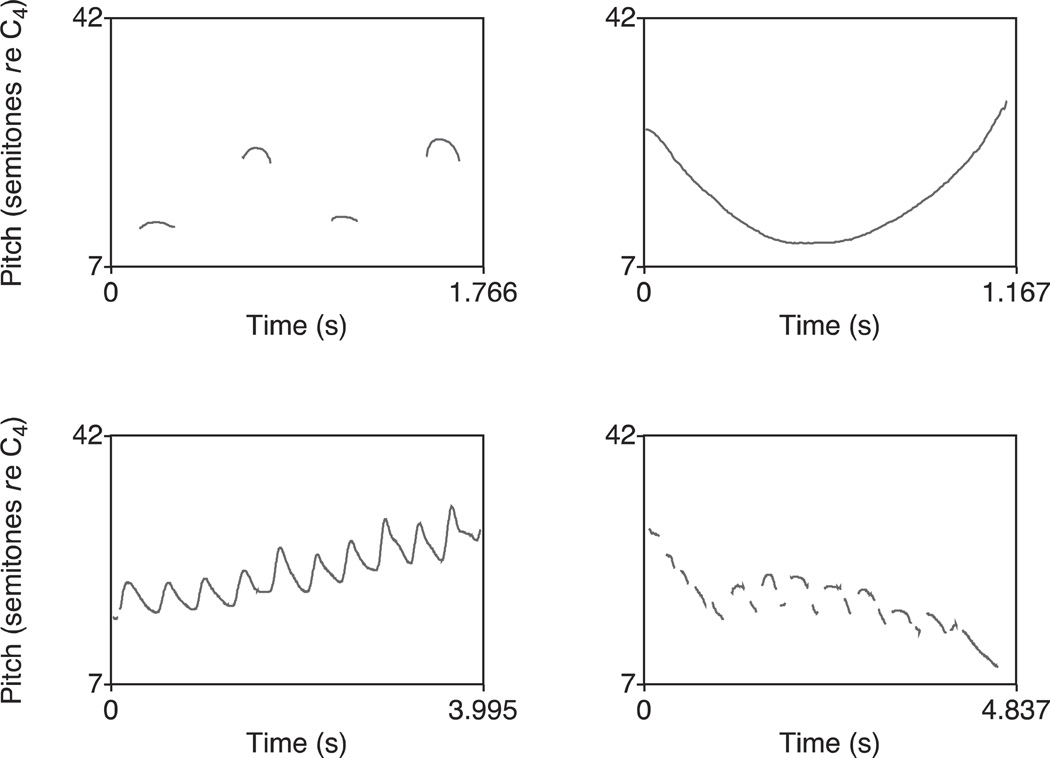
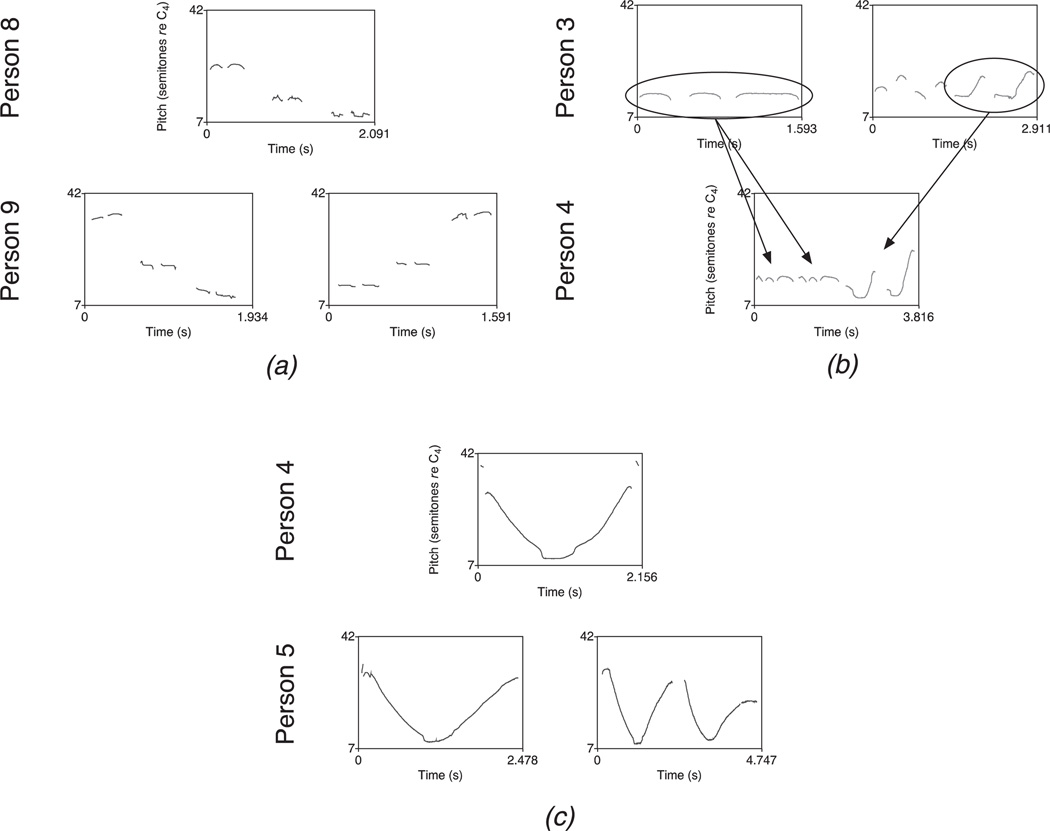
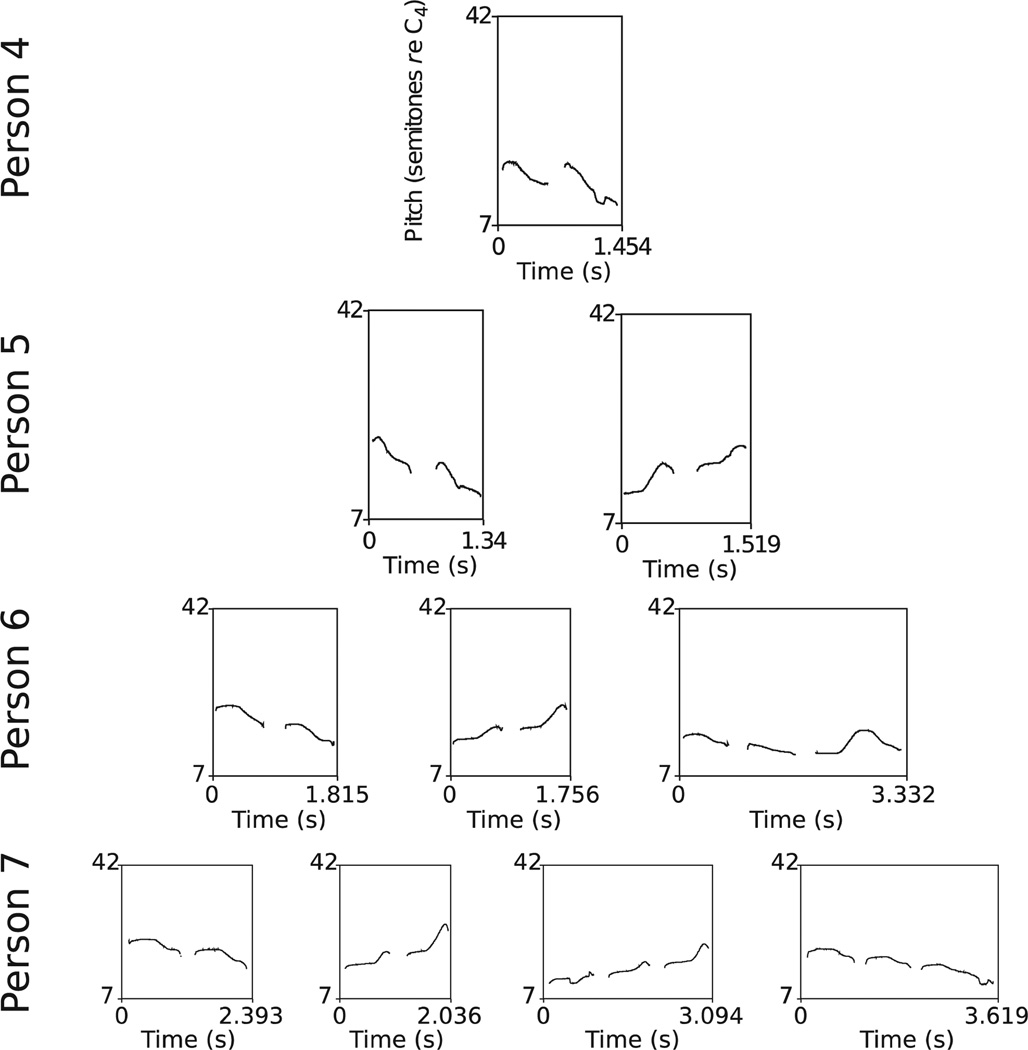
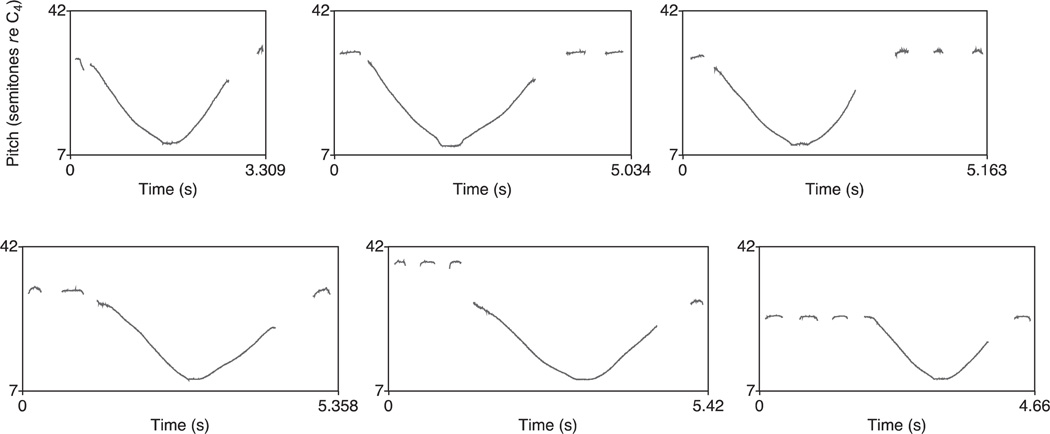
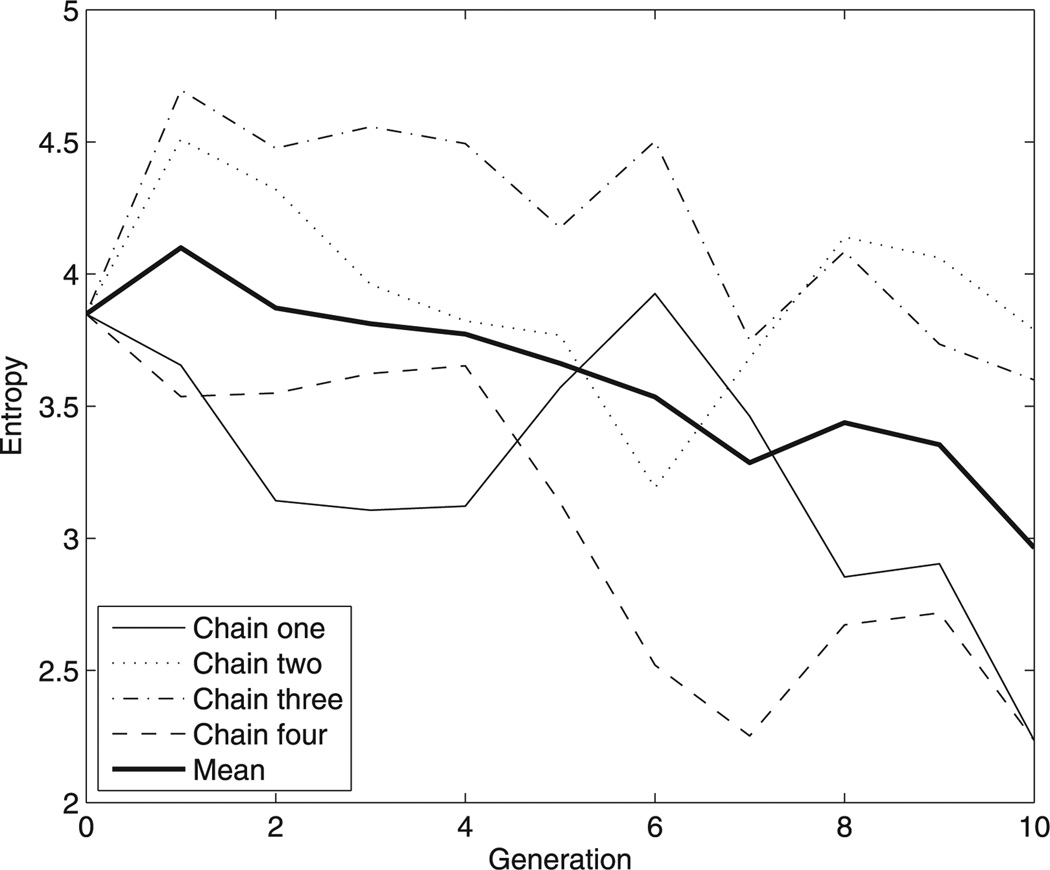
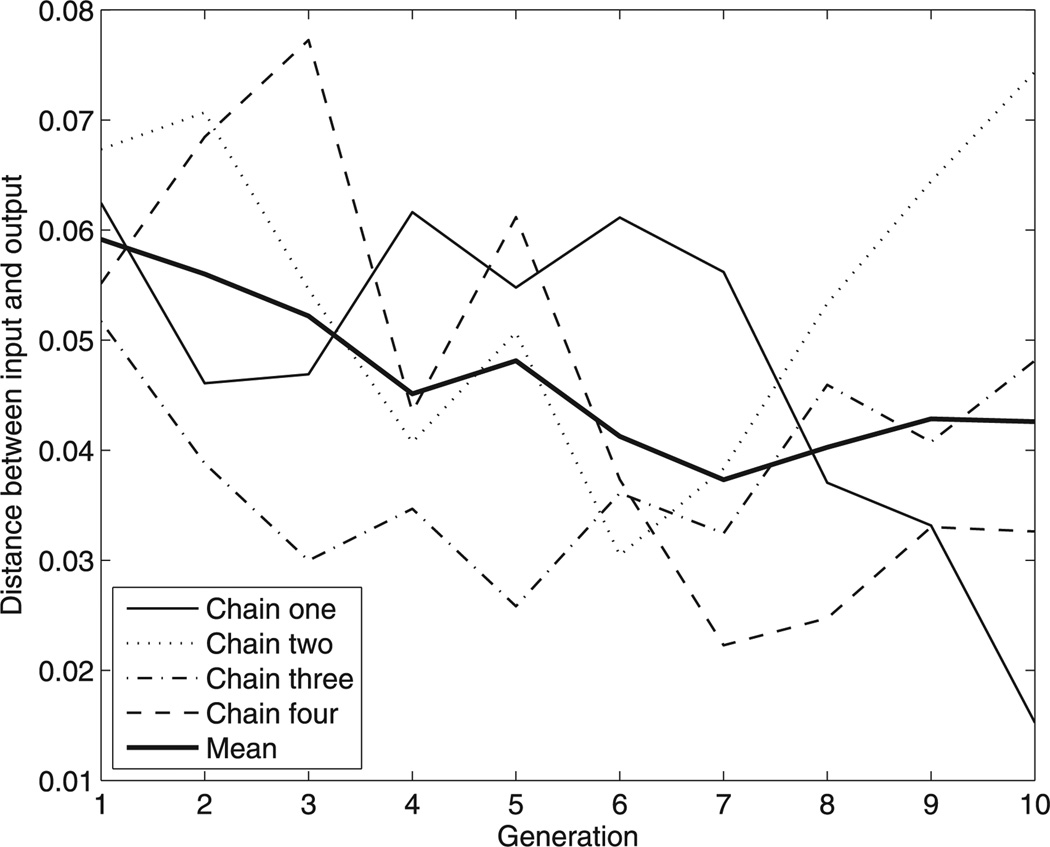
In human speech, a finite set of basic sounds is combined into a (potentially) unlimited set of well-formed morphemes. Hockett (1960) placed this phenomenon under the term 'duality of patterning' and included it as one of the basic design features of human language. Of the thirteen basic design features Hockett proposed, duality of patterning is the least studied and it is still unclear how it evolved in language. Recent work shedding light on this is summarized in this paper and experimental data is presented. This data shows that combinatorial structure can emerge in an artificial whistled language through cultural transmission as an adaptation to human cognitive biases and learning. In this work the method of experimental iterated learning (Kirby et al. 2008) is used, in which a participant is trained on the reproductions of the utterances the previous participant learned. Participants learn and recall a system of sounds that are produced with a slide whistle. Transmission from participant to participant causes the whistle systems to change and become more learnable and more structured. These findings follow from qualitative observations, quantitative measures and a follow-up experiment that tests how well participants can learn the emerged whistled languages by generalizing from a few examples.
在人类语言中,一组有限的基本语音被组合成(可能)无限的、形式良好的语素集。霍凯特(1960)将这一现象称为“模式双重性”,并将其作为人类语言的基本设计特征之一。在霍凯特提出的13个基本设计特征中,模式双重性是研究最少的,其在语言中的演化方式仍不清楚。本文总结了近期关于此的研究成果,并展示了实验数据。这些数据表明,作为对人类认知偏差和学习的一种适应,组合结构可以通过文化传播出现在一种人工口哨语言中。在这项研究中,使用了实验性迭代学习方法(柯比等人,2008),即让一名参与者对前一名参与者所学话语的复制进行训练。参与者学习并记忆用滑哨发出的一套语音系统。参与者之间的传递导致口哨系统发生变化,变得更易于学习且更具结构性。这些发现来自定性观察、定量测量以及一项后续实验,该实验测试了参与者通过从几个例子进行归纳来学习出现的口哨语言的能力。